Dayton businesses are rethinking how their commercial spaces support employees, customers, and day-to-day operations. As hybrid and flexible work models continue to influence workplace design, many offices are moving away from rigid layouts in favor of spaces that support collaboration, focused work, meetings, and changing team sizes. At the same time, aging commercial properties may need improvements to layouts, lighting, HVAC systems, accessibility, energy efficiency, and building systems.
A well-planned commercial space renovation can do more than modernize an outdated interior. It can improve workflow, employee comfort, customer experience, energy performance, and the overall functionality of your property. Renovations also provide an opportunity to address maintenance and code-related requirements before they become larger problems.
Builders Group Construction (BGC) is a locally owned contractor serving Dayton and more than 20 nearby cities. Our team brings 75+ years of combined experience to commercial construction and remodeling projects, from targeted improvements and office updates to complete space redesigns.
Whether you are refreshing an existing office, adapting a commercial property for new uses, or planning a larger renovation, thoughtful design and professional project management can help create a space that works better for your business today and remains adaptable as your needs evolve.
What a Commercial Office Renovation Includes
A commercial office renovation updates your workspace to work better for your team. This can mean changing how space flows, adding new rooms, or upgrading worn out systems.
Interior Updates give your office a fresh look and feel. New paint, modern finishes, and updated fixtures create a space people want to work in. These changes show clients you care about details.
Layout Changes help your space work harder. You might add private offices for focused work. Open areas can encourage teamwork. Conference rooms can host better meetings. Break rooms give staff a place to recharge.
New Walls and Partitions create the spaces your team needs. Glass walls bring in light while keeping noise down. Solid walls add privacy for calls and meetings. The right mix depends on your work style.
New Lighting makes a huge difference in how people feel at work. Better light reduces eye strain and headaches. LED fixtures cut energy costs and last longer. Task lighting helps with detailed work.
New Floors take daily wear and tear. Carpet adds warmth and cuts noise. Vinyl plank holds up to heavy traffic. Tile works great in break rooms and bathrooms. The right choice depends on each area’s use.
IT and AV Rooms support modern business needs. Server rooms need cooling and power. Conference rooms need screens and sound systems. Wiring must reach every desk and device.
Better Meeting Rooms help teams work together. Updated AV tools make remote meetings smooth. Good acoustics keep conversations clear. Comfortable furniture helps long sessions stay productive.
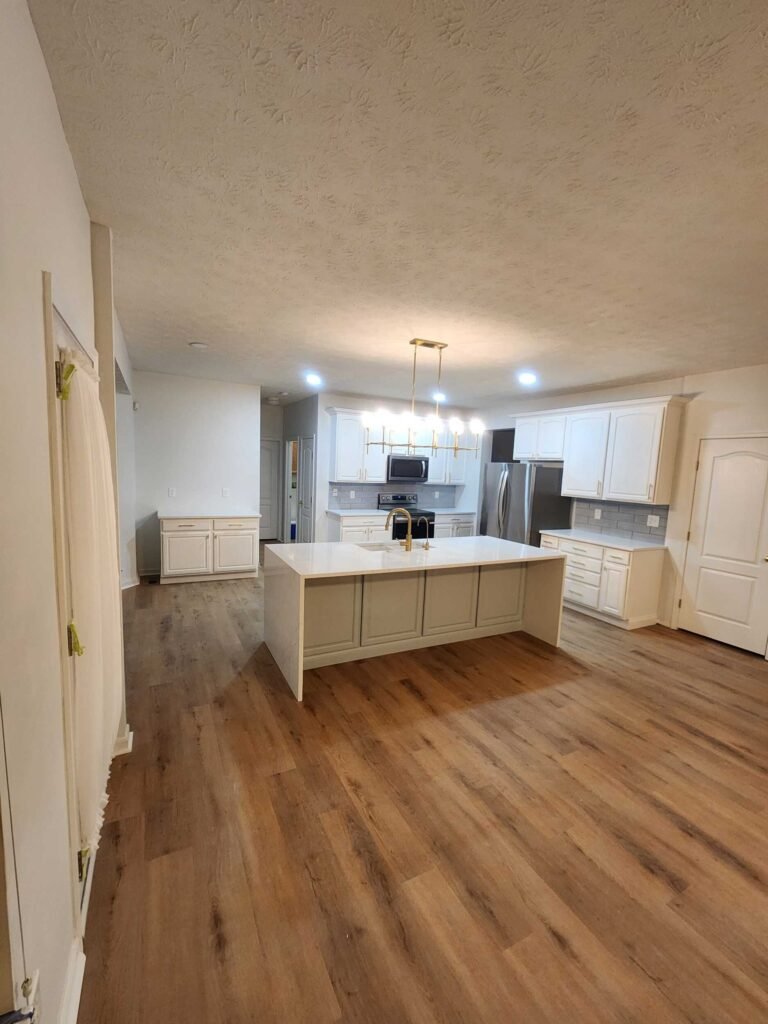
Break Rooms give staff a place to step away. A working kitchen matters more than most business owners think. Coffee stations, microwaves, and refrigerators keep people on site. Clean counters and good seating make lunch breaks better.
Lobby Updates set the tone for visitors. Your entry tells clients who you are before anyone speaks. Fresh paint, new floors, and better lighting create strong first impressions. Clear signage helps people find their way.
ADA Changes ensure everyone can use your space. Wider doors, accessible restrooms, and proper clearances meet legal requirements. These updates also show you value all employees and visitors.
Fire Safety protects people and property. Sprinkler systems, exit signs, and fire doors must meet current codes. Smoke detectors and alarms need regular testing. Safety updates give peace of mind.
Each element works together to create a space that functions well and feels right. Your office should support your work, not fight against it.
Plan for Growth and Future Needs
Think beyond today. Where will your company be in five years? Planning ahead saves money later.
Will you need more staff? Add desks and workstations now or leave room to expand later. Flexible layouts adapt as teams change size.
Do leaders need private offices? Executives and managers often need quiet space for calls and focused work. Plan where these rooms fit in your layout.
Will you add new equipment? Printers, copiers, and specialty tools need space. They also need power and sometimes special ventilation. Plan for these needs early.
Do you need better storage? Files, supplies, and equipment take up room. Built in storage keeps clutter down. Organized spaces work better.
What about tech updates? Networks, servers, and data needs grow over time. Extra conduit and cable paths make future upgrades easier. Power strips fill up fast, so plan for growth.
Office Renovation Costs in 2025 and What Affects Them
Renovation costs vary based on many factors. Location, materials, and project scope all play a role. Here’s what to expect in the Dayton area.
Lighting Fixtures typically cost $120 to $180 each installed. LED panels and modern fixtures fall in this range. Specialty lights cost more.
Flooring runs $2 to $15 per square foot installed. Basic commercial carpet starts around $2 to $4. Vinyl plank costs $3 to $7. Hardwood or specialty tile reaches $10 to $15. A 2,000 square foot office might spend $4,000 to $30,000 on floors alone.
Walls and Partitions range widely. Basic drywall partitions cost about $12 per square foot. Glass walls with aluminum frames run $100 to $180 per square foot. Your choice depends on the look and function you want.
Kitchen Updates for a break room cost $6,000 to $31,000. Simple updates include new counters, cabinets, and a sink. Full kitchen build outs with appliances and plumbing cost more.
Bathroom Updates range from $18,000 to $24,000. This covers fixtures, tile, and basic plumbing work. ADA compliant restrooms may cost more due to space and fixture requirements.
Cost Per Square Foot depends on the level of finish. A basic office refresh might cost $50 to $100 per square foot. Mid level renovations run $100 to $150. High end build outs with custom finishes can reach $150 to $250 per square foot.
Material and labor prices in Dayton tend to be lower than in larger cities like New York or San Francisco. This gives local businesses better value for their investment.
Hidden Cost Items often surprise owners. Watch for:
Ceiling Grids and Tiles wear out and stain over time. Replacing them costs $3 to $8 per square foot but makes a big visual difference.
Fire Code Updates might be required when you change layouts. New sprinkler heads, exit signs, and fire doors add cost but ensure safety.
Plumbing Reroutes become necessary when you move bathrooms or break rooms. Running new lines through walls and floors takes time and money.
HVAC Upgrades balance airflow in new layouts. Adding ducts or moving vents keeps temperatures even. Some renovations need bigger systems to handle more people or equipment.
Wiring and Data reaches every desk and device. Modern offices need more power outlets and network drops than older buildings have. Running new cables takes careful planning.
Permits and Inspections cost money but keep projects legal. Electrical, plumbing, and building permits vary by city. Budget 1 to 3% of your total project cost for permits and fees.
How to Build a Realistic Office Renovation Budget
Start by deciding if you want a full remodel or phased approach. Doing everything at once costs more upfront but finishes faster. Phasing spreads costs over time and reduces disruption.
After Hours Work costs more per hour but keeps business running. Crews working nights or weekends charge premium rates. However, you avoid lost productivity during the day.
Tech Budget covers computers, phones, screens, and network equipment. IT costs add up fast. Factor in installation and setup time too.
Furniture Costs include desks, chairs, storage, and common area seating. Shipping and delivery fees add to the total. Assembly takes time whether you do it yourself or hire help.
Training Costs help staff adjust to new systems. New phones, conference room tech, or access systems need explanation. Budget time for this transition.
Taxes apply to materials and some labor. Ohio sales tax affects your bottom line.
Permit Fees vary by city and project scope. Electrical work, plumbing changes, and structural modifications all need permits. BGC handles all permit applications and coordinates inspections.
Labor makes up a large part of your budget. Skilled trades like electricians and plumbers charge more per hour. General labor costs less but takes longer for complex tasks.
Supply Chain Delays still affect some materials. Long lead times on custom items mean ordering early. Having backup options helps keep projects on schedule.
Here’s a simplified budget example for a 2,000 square foot Dayton office:
- Design and Planning: $6,000 to $10,000
- Demolition: $3,000 to $5,000
- Framing and Drywall: $8,000 to $14,000
- Electrical: $10,000 to $18,000
- HVAC: $8,000 to $15,000
- Plumbing: $5,000 to $10,000
- Flooring: $4,000 to $12,000
- Painting: $3,000 to $6,000
- Fixtures and Hardware: $4,000 to $8,000
- Permits and Fees: $2,000 to $4,000
- Contingency (10%): $5,000 to $10,000
Total Range: $58,000 to $112,000
Your actual costs depend on finishes, existing conditions, and specific needs. This gives you a starting point for conversations with contractors.
BGC offers transparent pricing. We break down every line item. You see exactly what you’re paying for and why.
How Long a Commercial Office Renovation Takes
Timeline depends on project size and complexity. Here’s what to expect for each phase.
Planning takes two to four weeks. You meet with the contractor and designer. You discuss goals, budget, and timeline. You review initial designs and make changes. This phase sets the foundation for success.
Design takes three to six weeks. Designers create detailed plans. They pick materials and finishes. They create drawings that show exactly what gets built. You review and approve these plans before construction starts.
Permits take one to four weeks depending on your city. Some jurisdictions move faster than others. BGC handles all permit applications. We know what each city requires. We follow up to keep things moving.
Material Ordering happens once plans are approved. Some items ship quickly. Custom cabinets, specialty fixtures, or unique finishes can take six to twelve weeks. Ordering early prevents delays later.
Demolition goes quickly. Clearing out old fixtures and finishes might take three to seven days. Careful demolition preserves what you’re keeping and protects the structure.
Framing and Drywall takes one to three weeks. Carpenters build new walls. They install doors and frames. Drywall goes up and gets taped and mudded. Multiple coats dry between steps.
MEP Work means mechanical, electrical, and plumbing. This phase takes two to four weeks. Electricians wire circuits. Plumbers run pipes. HVAC teams install ducts. Work often overlaps to save time.
Finish Work adds the final touches. Painting, flooring, and fixture installation take two to three weeks. This phase transforms the space into something beautiful.
Furniture arrives and gets assembled. This takes a few days to a week depending on how much you ordered.
Final Walkthrough ensures everything meets your standards. You check every detail. The contractor fixes any small issues. Then you move in.
Total timeline for a typical office renovation runs eight to sixteen weeks from planning to move in. Larger projects or complex build outs take longer. Smaller updates finish faster.
Renovating an Active Office Without Stopping Work
Many businesses can’t shut down during renovations. BGC plans carefully to keep you operational.
Night Work
Night Work happens after your team goes home. Crews arrive in late afternoon and work through the evening. Noisy tasks finish before morning. Your staff returns to a clean workspace.
Weekend Work
Weekend Work allows major tasks to be completed when the office is empty. Demolition, framing, and other loud work happen Saturday and Sunday. By Monday, the space is ready for normal use again.
Floor by Floor Renovation
Floor by Floor Renovation keeps the majority of your staff working. We complete one floor at a time while the others stay open. Teams may work closer together temporarily, but business continues with minimal disruption.
Temporary Spaces
Temporary Spaces ensure displaced workers have somewhere to go. This might mean using a conference room as a temporary office or setting up desks in a shared area. These solutions keep productivity steady.
Noise Control
Noise Control matters when people are working nearby. Quiet tasks happen during business hours. Loud work waits until evenings or weekends. We always notify staff before noise increases.
Dust Control
Dust Control protects people and equipment. Plastic barriers seal off work zones. Air scrubbers filter dust from the air. Daily cleanup stops debris from spreading.
Clear Communication
Clear Communication prevents confusion. We post schedules so everyone knows what to expect. We notify staff before utilities are temporarily shut off. Questions are answered quickly. Good communication keeps stress low.
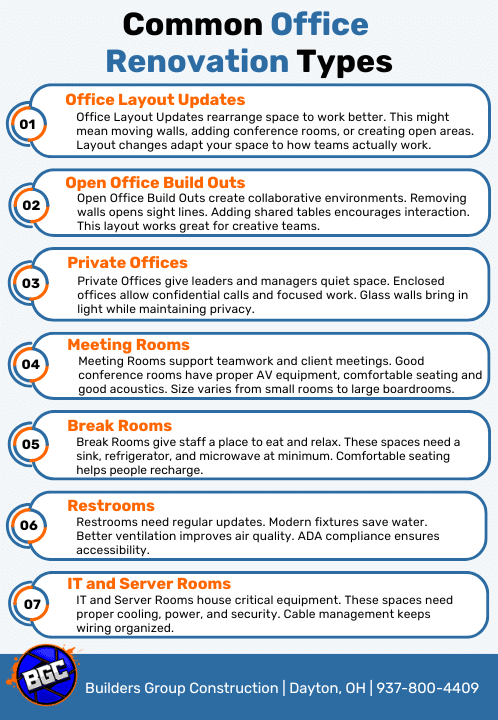
Common Office Renovation Types
Different projects serve different business needs. Here are the renovation types we complete most often.
Office Layout Updates
Office Layout Updates rearrange your space to improve flow and function. This might include moving walls, adding conference rooms, or creating open areas. Layout changes help your office support the way your team actually works.
Open Office Build Outs
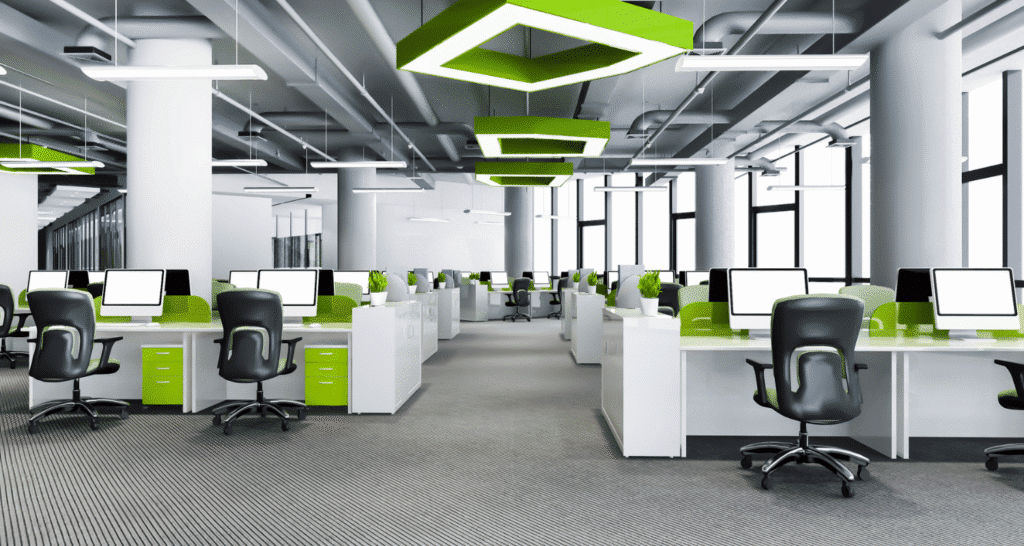
Open Office Build Outs create collaborative environments by removing walls and opening sight lines. Shared tables and open seating encourage interaction and teamwork.
Private Offices
Private Offices give leaders and managers quiet space for confidential calls and focused work. Glass walls keep spaces bright while maintaining privacy.
Meeting Rooms
Meeting Rooms support teamwork and client discussions. Effective conference rooms include proper AV equipment, comfortable seating, and good acoustics. Sizes range from small huddle rooms to large boardrooms.
Break Rooms
Break Rooms give staff a place to recharge. These spaces need a sink, refrigerator, and microwave at minimum. Comfortable seating helps people relax and reset.
Reception Areas
Reception Areas create first impressions. Updated lobbies show visitors you care about details. Clear signage helps guests navigate your office with ease.
Restrooms
Restrooms need regular updates to stay modern and functional. New fixtures save water. Better ventilation improves air quality. ADA compliance ensures accessibility for everyone.
IT and Server Rooms
IT and Server Rooms store critical equipment. These areas need proper cooling, power access, and security. Organized cable management keeps systems reliable.
HVAC Upgrades
HVAC Upgrades improve comfort and air quality. Replacing outdated systems reduces energy costs. Better controls allow temperature adjustments by zone.
ADA Updates
ADA Updates make your office usable for all employees and visitors. Wider doors, proper clearances, and accessible restrooms meet legal requirements and demonstrate inclusivity.
Why Office Renovation Pays Off
Office renovations deliver strong returns that justify the upfront investment.
- Higher staff morale and productivity – Updated spaces make people feel valued and help them work more efficiently
- Stronger brand and client impressions – Modern offices build trust and can help win deals
- Lower energy costs – LED lights, better insulation, and efficient HVAC cut monthly utility bills
- Better property value – Updated buildings command higher rents and attract quality tenants
- Reduced long term maintenance – New systems and finishes need fewer repairs over time
What Business Owners Must Know About Permits
Most commercial renovations require permits to ensure the work meets safety codes and legal standards.
- Electrical permits – Required for new circuits, outlets, and lighting installations
- Plumbing permits – Needed when adding or moving water fixtures, bathrooms, or break rooms
- HVAC permits – Cover new equipment and ductwork modifications
- Sprinkler system permits – Required for any changes to fire suppression systems
- Fire code compliance – Governs exits, alarms, emergency lighting, and proper egress paths
- ADA requirements – Ensure doorway widths, restroom layouts, and clearances meet accessibility standards
- Inspections – Happen at rough in and final stages to verify code compliance
What Slows Down Office Renovations and How BGC Prevents It
Even well planned projects can face delays. Here are the most common issues and how we prevent them.
Material Delays happen when items ship late or get backordered. We reduce risk by ordering early, tracking shipments closely, and having backup options ready. Our local supply partners give us priority access.
Hidden Problems appear once demolition begins. Old wiring, water damage, or structural issues may not be visible beforehand. We plan contingency funds for surprises and use our experience to spot risks early in the design phase.
Permit Issues delay progress when applications are incomplete or stuck in review. BGC submits accurate documentation the first time and follows up regularly to keep approvals moving.
Scope Changes push timelines when added mid project. We help you think through all needs during planning so fewer changes happen later. Adjusting drawings on paper costs far less than altering finished construction.
Weather affects projects with exterior work or open walls. We schedule weather dependent tasks during appropriate seasons and shift teams to indoor tasks when needed.
We’re fully insured and IBC compliant. Our 12 step process keeps projects on track. Transparent pricing means no hidden fees. Our 110 percent satisfaction promise backs every job.
Visit our Office Renovations page to learn more. Explore our Commercial Space Remodeling services. Check out our Tenant Improvements work. See examples of our Build Outs and Additions.
Call 937-800-4409 or email Info@bgcnow.us to get started. We’re ready to help transform your Dayton office space.
FAQs
How long does a commercial office renovation take?
Most office renovations take eight to sixteen weeks from planning to completion. Small projects finish faster. Large build outs take longer. Timeline depends on square footage, complexity, and material lead times. BGC provides a detailed schedule during planning so you know exactly what to expect.
How much does an office remodel cost in Dayton?
Costs vary based on size, finishes, and scope. Basic refreshes run $50 to $100 per square foot. Mid level renovations cost $100 to $150 per square foot. High end projects reach $150 to $250 per square foot. A 2,000 square foot office typically costs $58,000 to $112,000 depending on finishes and existing conditions.
Can you renovate while we stay open?
Yes. BGC specializes in occupied office renovations. We work nights and weekends to minimize disruption. We use floor by floor phasing when needed. Dust barriers and air scrubbers protect working areas. Clear communication prevents surprises. Most of our commercial clients stay operational throughout their renovation.
Do we need permits for office renovation?
Most commercial renovations require permits. Electrical work, plumbing changes, HVAC modifications, and layout changes all need approval. Permits ensure safety and code compliance. BGC handles all permit applications and coordinates inspections. Our IBC expertise ensures we meet every requirement.
How do we plan an office layout?
Start by listing your needs. How many private offices? How many workstations? What about conference rooms and common areas? Consider future growth. Think about technology requirements. BGC’s design team helps translate these needs into functional layouts. Brittany Gilmore brings design expertise to create spaces that work beautifully.
Should we renovate or move to a new space?
Renovation often costs less than moving, especially if your location works well. Moving involves rent deposits, moving expenses, downtime, and often higher monthly costs. Renovation lets you keep your location and customer relationships. However, if you’ve outgrown your space or need a completely different layout, moving might make sense. BGC helps you evaluate both options honestly.
Will an office remodel raise our property value?
Yes. Updated commercial spaces command higher rents and attract quality tenants. Modern finishes, efficient systems, and code compliance all increase building value. Energy efficient upgrades lower operating costs which appeals to tenants and buyers. For property owners, renovation protects and enhances real estate investment.
Do you handle interior design?
Yes. Brittany Gilmore leads our design services. She graduated from the Art Institute and brings eight years of experience. Brittany helps select colors, materials, and finishes. She creates layouts that balance beauty and function. Design services integrate seamlessly with construction so your vision becomes reality.
What cities do you serve?
BGC serves Dayton and 20+ surrounding communities including Beavercreek, Bellbrook, Brookville, Centerville, Englewood, Hamilton, Kettering, Lebanon, Mason, Miamisburg, Monroe, Oakwood, Springboro, Tipp City, Vandalia, West Chester, and Yellow Springs. We’re familiar with building codes and requirements throughout the region.