Planning a commercial build-out involves much more than turning an empty space into a finished business environment. Before construction begins, you need to define the layout, establish a realistic budget, coordinate design and engineering, review lease requirements, secure the necessary approvals, and plan the work around your business operations.
Whether you are opening a new office, preparing a retail storefront, building out a restaurant, or converting an existing commercial space for a new tenant, each project has different requirements. Electrical and plumbing capacity, HVAC, accessibility, fire and building codes, finishes, and the condition of the existing space can all affect the scope, cost, and timeline.
A well-managed commercial build-out typically moves through several stages: initial consultation and planning, space and layout design, budgeting, permitting, construction, inspections, interior finishes, and the final walkthrough. Planning these stages in the right order helps reduce costly changes, avoid unnecessary delays, and ensure the finished space supports how your business actually operates.
Builders Group Construction provides commercial build-outs and tenant improvement services throughout Dayton and surrounding Ohio communities. The company manages projects from architectural design and permitting through construction and final finishes, with experience across offices, retail spaces, restaurants, and other commercial environments.
In this guide, we’ll walk through the commercial build-out process step by step, including project planning, budgeting, design, permits, construction, inspections, timelines, and the key decisions that can affect your final result.
What Is a Commercial Build-Out?
A commercial build-out, also called a tenant improvement, transforms a leased or purchased space into your working environment. This includes everything from framing walls to installing HVAC, electrical systems, flooring, and finishes.
The scope varies by industry. Offices need conference rooms and workstations. Retail spaces require display areas and customer flow planning. Restaurants need commercial kitchens with proper ventilation. Medical offices need specialized plumbing and lead-lined rooms.
Understand Your Shell Condition
Before planning begins, it is critical to understand your starting condition. The shell type directly impacts cost, timeline, and lease negotiations.
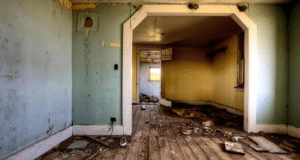
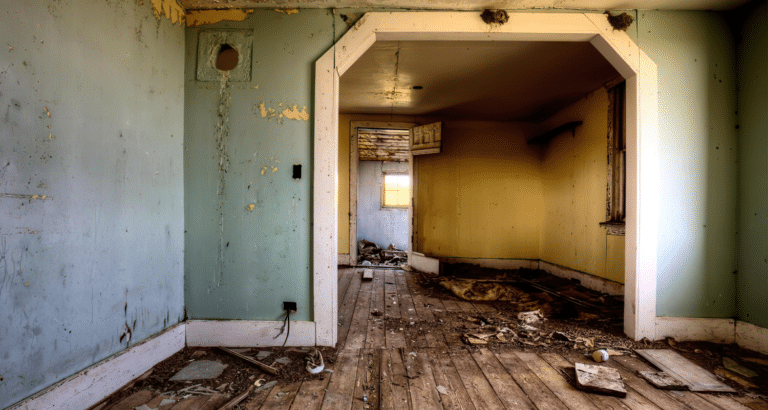
A cold shell is the most basic condition. These spaces typically include exposed concrete floors, unfinished walls, minimal electrical service, and basic plumbing stub-outs. Cold shells cost more and take longer to build out, but they offer complete flexibility in layout and design.
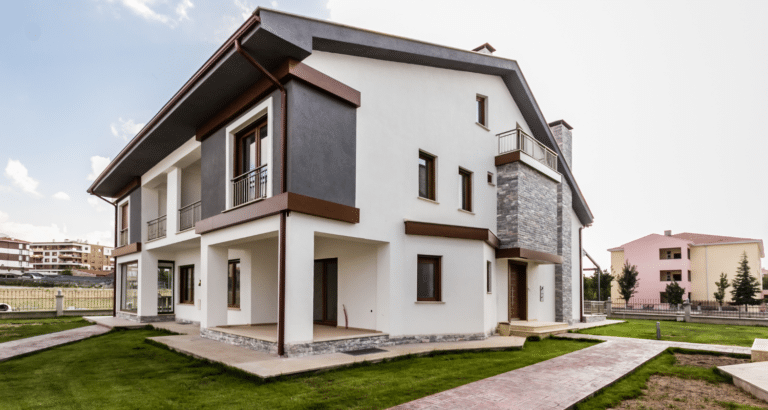
A warm shell includes partial finishes. These spaces often have HVAC systems, basic lighting, finished walls and ceilings, restrooms, and fire safety systems already installed. Warm shells reduce construction costs and allow businesses to open more quickly.
Define Your Vision and Requirements
Every successful build-out begins with clear direction. Before design work starts, define exactly how the space must function for your business.
How many people will work here? What equipment do you need? How will customers or clients move through the space? What are your industry-specific requirements?
A gym requires different infrastructure than a dental office. A coffee shop has different needs than a law firm. These differences shape layout, systems, and construction decisions.
Our commercial interior design team helps clients think through these requirements before spending a dollar on construction.
Set a Clear Budget and Timeline
Budget and timeline planning are the most critical parts of a commercial build-out. Start by identifying must have features, then list optional upgrades that can be added if budget allows.
Budgets include hard costs and soft costs. Hard costs cover materials, labor, and equipment and typically account for 70% to 80% of the total budget. Soft costs include design fees, permits, inspections, and project management and usually add another 10% to 20%.
Build-out costs vary by industry and complexity. Basic office build-outs often range from $50 to $80 per square foot. Medical offices and restaurants frequently range from $120 to $150 per square foot or more.
Always include a contingency of 15% to 20%. Older buildings often contain hidden issues such as outdated plumbing or electrical systems, and contingency funds prevent delays when surprises appear.
Timelines depend on space type and project complexity. General offices typically take 8 to 12 weeks. Retail spaces often require 10 to 14 weeks. Restaurants and medical offices usually need 16 to 20 weeks or longer.
Permit review alone can add 6 to 8 weeks before construction begins, so early planning is essential.
Assemble Your Build-Out Team
Commercial build-outs require coordination between multiple professionals. Architects handle space planning. Engineers design mechanical, electrical, and plumbing systems. Electricians, plumbers, and other trades complete the work. A general contractor oversees scheduling, quality, and execution.
You can choose a tenant-controlled approach where you select each vendor separately. This gives you maximum design control and the ability to manage costs closely. The downside is more coordination work and decision cycles.
A turnkey approach means your landlord or contractor handles everything and delivers a finished space. This simplifies management but gives you less control over materials and finishes.
Our build-outs and additions team coordinates all trades so you don’t have to manage five different phone calls a day.
Understand Your Lease and Tenant Improvement Allowance
Your lease agreement plays a major role in your build-out budget and scope. It defines what changes are allowed and who pays for them.
A tenant improvement allowance is funding provided by the landlord to offset build-out costs. It is usually expressed as a dollar amount per square foot. Typical allowances range from $20 to $60 per square foot.
Tenant improvement allowances generally apply to permanent improvements such as HVAC upgrades, framing, drywall repair, electrical, plumbing, and fire safety systems. They often exclude premium finishes, custom millwork, and specialty equipment.
Negotiate for a higher TIA by committing to a longer lease term, showing strong financials, or demonstrating how improvements add long-term property value.
Read your work letter carefully. It defines who does what work, what materials are allowed, and how the TIA gets applied.
Check the surrender clause. Some leases require you to remove improvements when you leave. That can cost tens of thousands.
Design, Permitting, and Pre-Construction
Once budget, scope, and requirements are defined, the design phase begins. This includes architectural drawings, mechanical, electrical, and plumbing planning, material selections, and furniture layouts.
Strong space planning prevents costly changes later. A test fit determines how many offices or rooms fit within the available square footage, how circulation flows, and how ADA accessibility requirements are met.
Permitting comes next. Nearly all commercial build-outs require permits. You’ll need architectural drawings, MEP plans, accessibility plans, and often structural calculations.
Expected permit review time runs 6 to 8 weeks in most Ohio jurisdictions. Some cities move faster, others slower.
Our tenant improvements expertise includes managing the entire permitting process so you don’t have to navigate city codes alone.
Construction Phase Execution
The construction phase is where planning becomes reality. This stage requires tight coordination and clear communication.
It starts with demolition if you’re working in a second-generation space. Remove old walls, outdated flooring, and obsolete systems.
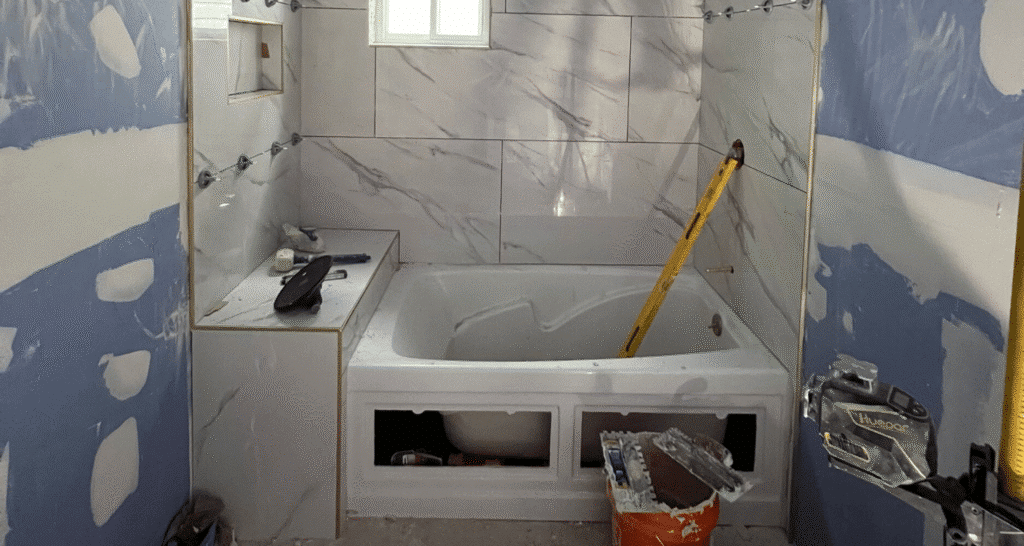
Then comes framing and walls. Metal stud framing goes up. Drywall gets installed. Acoustic requirements get addressed.
Mechanical, electrical, and plumbing (MEP) systems are installed next. Electricians run dedicated circuits, data cabling, and security wiring. HVAC contractors install ductwork. Plumbers handle specialty needs like medical gas lines or grease traps for restaurants.
Interior finishes come last. Ceilings, flooring, millwork, paint, and lighting get installed. Fixtures go in. The space starts looking like your business.
Our office renovations team maintains tight schedules and clear communication throughout every phase.
Punch List and Final Inspection
Before move-in, the project enters the punch list phase. This is a detailed quality review to ensure all work meets expectations.
Walk the space with your contractor and note any issues that need correction. Common items include uneven flooring, incorrect lighting placement, missing hardware, paint touch-ups, or incomplete finishes. Small details matter at this stage.
A professional team addresses these items quickly. They verify all systems work properly and meet code requirements.
Final inspections happen next. Local authorities check that everything complies with building codes, fire safety regulations, and accessibility standards.
Upon passing inspection, you receive your Certificate of Occupancy. This legally allows you to operate your business in the space.
Move-In and Operational Setup
After construction and inspections are complete, operational setup begins. This phase includes installing furniture, equipment, technology systems, and decor.
Coordinate internet service, security systems, access controls, and signage early to avoid delays. Test all systems before opening day to ensure smooth operations.
A successful move-in depends on careful execution in earlier phases. When planning and construction are handled correctly, this stage becomes straightforward instead of stressful.
Our commercial space remodeling services include helping coordinate these final details so your opening goes smoothly.
Proven Cost-Saving Strategies
Smart planning saves money without sacrificing quality. Here are strategies that work.
Reuse existing infrastructure where possible. Repurpose walls, electrical, and plumbing that are already in place.
Select cost-efficient finishes strategically. Use high-end materials in customer-facing areas. Use standard finishes in back-of-house spaces.
Optimize your HVAC and electrical loads. Don’t oversize systems you don’t need.
Hold value engineering workshops early in design. Adjust materials, layouts, and systems before construction starts, not during.
Common Pitfalls to Avoid
Even well planned commercial build-outs can run into problems. Most issues come from timing gaps, incomplete decisions, or unclear expectations.
Regulatory delays occur when permitting is not started early enough. Begin the permitting process as soon as designs are finalized to avoid stalled construction schedules.
Change orders are one of the biggest budget killers. Finalize layouts, materials, and finishes before construction begins. Mid-project changes increase costs and extend timelines.
Budget overruns often stem from unrealistic planning. Set accurate budgets, include contingencies, and track expenses closely throughout the project.
Frequently Asked Questions
What is the difference between a commercial build-out and renovation?
A build-out transforms raw or shell space into a functional business environment. A renovation updates or improves an existing finished space. Build-outs typically involve more extensive MEP work and structural changes.
How much does a commercial build-out cost per square foot?
Costs range from $50 to $150 per square foot depending on industry, finish level, and shell condition. Basic offices run lower, while medical and restaurant spaces cost more due to specialized systems.
How long does a commercial build-out take?
Typical timelines run 8 to 12 weeks for offices, 10 to 14 weeks for retail, and 16 to 20 weeks for restaurants and medical spaces. Permitting adds 6 to 8 weeks before construction starts.
Who pays for the commercial build-out?
Usually it’s shared. Landlords provide a tenant improvement allowance. Tenants cover custom features and upgrades beyond the TIA. The lease agreement specifies the exact split.
What’s included in a tenant improvement allowance?
TIAs typically cover permanent improvements like HVAC upgrades, framing, drywall, basic electrical and plumbing, and fire safety systems. They usually don’t cover premium finishes, custom millwork, or specialty equipment.
What permits do I need for a commercial build-out?
Most build-outs require architectural, electrical, plumbing, and mechanical permits. Some also need fire safety, accessibility, or sign permits. Requirements vary by city and project scope.
Your Build-Out Determines Your Business Success
A well-planned commercial build-out sets your business up for success. Poor planning leads to delays, cost overruns, and a space that doesn’t work for your operations.
Builders Group Construction brings award-winning service and decades of experience to every commercial project. We’re fully insured, IBC-compliant, and locally operated. Our veteran-led team handles everything from design through final walkthrough.
We serve Dayton, Kettering, Springboro, and 20+ Ohio communities.Ready to transform your commercial space? Call us at 937-800-4409 or request your free consultation today. Let’s build the space your business deserves.