When foot traffic patterns emerge in commercial spaces, they tell a story. Just like natural trails form where people prefer to walk, your business floors reveal how customers and employees move each day. These high-traffic zones need flooring that lasts.
The right commercial flooring material can save you thousands in replacement costs. The wrong choice leads to worn patches, safety hazards, and frustrated maintenance teams within months.
This guide breaks down 12 proven commercial flooring types for spaces that never rest. You will learn what works best for retail stores, offices, warehouses, and other high-traffic environments.
Why Commercial Flooring Matters in High-Traffic Areas
Most residential carpets last 4 to 10 years. Put that same carpet in a busy commercial space and you may replace it in under two years.
Commercial flooring handles very different demands. Hundreds of people walk across it every day. Equipment rolls over the surface. Spills are unavoidable. The floor must withstand constant use while still looking professional.
High-traffic commercial flooring must deliver on several fronts:
- Bear constant weight without warping
- Resist stains, scratches, and moisture
- Stay safe when wet
- Clean easily
- Match your brand image
- Fit your budget long-term
Key Factors When Choosing Commercial Flooring
Before selecting materials, consider these priorities:
Durability and Load-Bearing Strength
Can the floor handle daily foot traffic plus carts, equipment, or furniture? Check the compressive strength rating.
Safety and Slip Resistance
Wet floors cause injuries. Materials with natural texture or anti-slip coatings reduce accidents. This matters most in entryways, kitchens, and healthcare facilities.
Maintenance Requirements
Some floors need daily waxing. Others just need sweeping. Factor in labor costs and downtime for deep cleaning.
Moisture and Stain Resistance
Spills will happen. Choose materials that won’t absorb liquids or develop mold in humid spaces.
Comfort and Noise Control
Employees who stand all day need cushioned surfaces. Open offices benefit from sound-absorbing materials.
Installation Speed and Cost
Faster installation means less business disruption. But cheap installation often leads to early failure and higher lifetime costs.
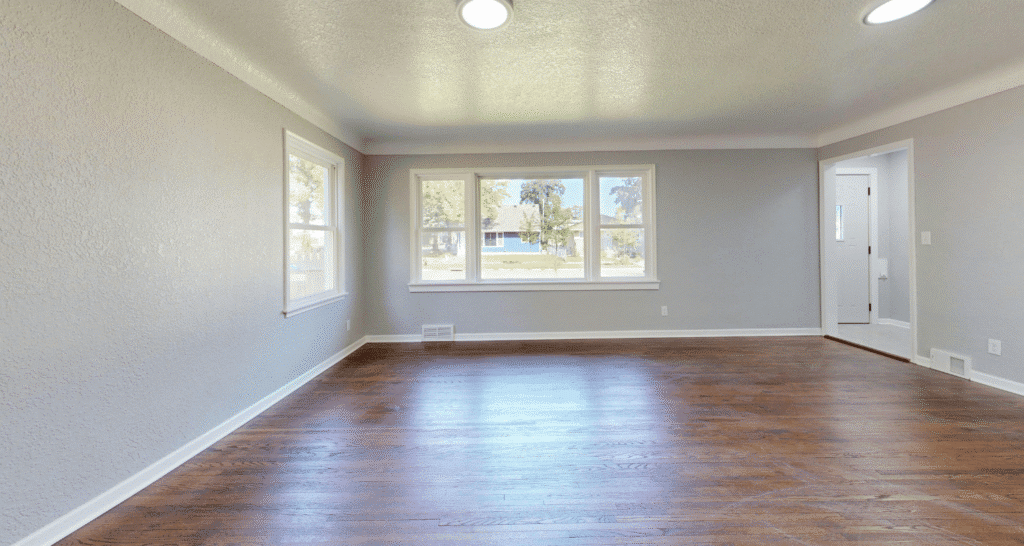
Commercial Flooring Types Comparison
| Flooring Type | Best For | Durability | Cost Range | Maintenance | Slip Resistance |
| Epoxy | Warehouses, Labs | Very High | $$$ | Low | Medium |
| LVT | Retail, Offices | High | $$ | Low | Medium |
| VCT | Schools, Hospitals | Medium | $ | High | Medium |
| Rubber | Gyms, Entryways | High | $$ | Low | High |
| Terrazzo | Airports, Showrooms | Very High | $$$$ | Low | Low |
| Porcelain Tile | Restrooms, Kitchens | Very High | $$$ | Low | Medium |
| Carpet Tiles | Offices, Waiting Rooms | Medium | $$ | Medium | Low |
| Quarry Tile | Commercial Kitchens | High | $$ | Medium | Medium |
| Concrete | Garages, Industrial | High | $ | Medium | Low |
| Laminate | Light Retail, Offices | Medium | $ | Low | Low |
Detailed Guide: 12 Commercial Flooring Options
1. Epoxy Flooring
Epoxy creates a seamless, chemical-resistant surface over concrete. A resin coating bonds directly to the base floor and hardens into an extremely durable finish designed for heavy use.
Strengths:
- Withstands heavy impacts and chemical spills
- Lasts 10 to 20+ years with minimal maintenance
- Customizable colors and patterns
- Easy to clean and sanitize
Limitations:
- Can be slippery without texture additives
- Requires professional installation
- Higher upfront cost
Best Applications: Manufacturing plants, warehouses, commercial kitchens, laboratories
Businesses in Dayton looking to upgrade warehouse or industrial spaces should consider commercial space remodeling options that include epoxy flooring systems.
2. Luxury Vinyl Tile (LVT)
LVT combines a resilient PVC core with a detailed design layer and a protective wear surface. It mimics wood, stone, or ceramic while costing less and offering better durability for busy commercial spaces.
Strengths:
- Excellent water and scratch resistance
- Realistic wood or stone appearance
- Quick installation with minimal disruption
- Comfortable underfoot
Limitations:
- Sharp objects can puncture surface
- More expensive than standard vinyl
Best Applications: Retail stores, corporate offices, restaurants, healthcare facilities
3. Vinyl Composition Tile (VCT)
VCT uses recycled vinyl, limestone, and fillers pressed into durable tiles. It costs less than LVT but requires consistent maintenance to preserve its appearance over time.
Strengths:
- Very affordable for large areas
- Water-resistant and hygienic
- Solid color consistency
Limitations:
- Needs frequent waxing
- Limited design options
- Porous surface holds dirt
Best Applications: Schools, hospitals, public buildings where budget matters most
4. Rubber Flooring
Made from recycled materials, rubber flooring provides natural cushioning along with excellent noise reduction. Its inherent texture creates strong slip resistance, even in wet conditions.
Strengths:
- Reduces noise and foot fatigue
- Naturally slip-resistant when wet
- Eco-friendly recycled content
- Long lifespan in high-traffic zones
Limitations:
- Initial rubber smell after installation
- Limited aesthetic options
Best Applications: Gyms, fitness centers, entryways, multi-story buildings, schools
5. Terrazzo
This composite material mixes glass, granite, marble, and quartz chips with cement or epoxy resin. After curing, the surface is ground and polished to a smooth finish.
Strengths:
- Extremely durable and long-lasting
- Unlimited custom design options
- Stain and water-resistant when sealed
- LEED-friendly sustainable choice
Limitations:
- High material and installation costs
- Best for spaces over 2,500 square feet
- Hard surface with no cushion
Best Applications: Airport terminals, showrooms, upscale lobbies, cafeterias
6. Porcelain Tile
Porcelain tiles are fired at extremely high temperatures, creating a dense, water-resistant surface with compressive strength comparable to steel plate.
Strengths:
- Exceptional durability and water resistance
- Easy to clean and maintain
- Wide variety of colors and patterns
- Long lifespan with proper installation
Limitations:
- Cold and hard underfoot
- Labor-intensive installation
- Higher cost than vinyl options
Best Applications: Restrooms, commercial kitchens, high-traffic lobbies, retail spaces
7. Commercial Carpet Tiles
Modular carpet squares allow worn sections to be replaced without redoing entire floors. For commercial use, choose products with TARR ratings of 3.5 or higher to handle sustained foot traffic.
Strengths:
- Replace damaged sections individually
- Reduces noise and adds comfort
- Design flexibility with patterns
- Warmer aesthetic than hard surfaces
Limitations:
- Can stain easily
- Not suitable for wet areas
- Requires regular vacuuming
Best Applications: Corporate offices, waiting rooms, conference rooms, hospitality spaces
For businesses planning office renovations, carpet tiles offer both function and design flexibility.
8. Quarry Tile
Made from hard-fired clay, quarry tile is designed to handle extreme conditions found in food service environments. It resists grease, heat, and constant moisture better than most flooring materials.
Strengths:
- Withstands grease and hot water
- Very affordable
- Lasts indefinitely with proper maintenance
- Industry standard for kitchens
Limitations:
- Limited color options (mostly red, grey, tan)
- Requires epoxy grout for durability
- Basic aesthetic appeal
Best Applications: Commercial kitchens, food processing, receiving areas
9. Polished Concrete
Concrete floors can be ground, polished, and sealed to create an attractive and durable surface. This option works best when an existing concrete slab is already in place.
Strengths:
- Affordable for large spaces
- Fire-resistant and strong
- Modern industrial aesthetic
- Quick installation
Limitations:
- Porous surface needs sealing
- Poor moisture resistance without treatment
- Hard surface with no cushion
Best Applications: Warehouses, garages, industrial facilities, modern retail spaces
10. Laminate Flooring
Laminate flooring uses multi-layer synthetic planks designed to replicate wood. For commercial applications, select products with AC4 or AC5 abrasion class ratings to handle daily use.
Strengths:
- Affordable wood appearance
- Easy click-lock installation
- Scratch and fade resistant
Limitations:
- Not as durable as vinyl or tile
- Susceptible to water damage
- Best for light to medium traffic
Best Applications: Professional offices, boutique retail, low-traffic commercial spaces
11. Slate Tile
Natural stone slate tiles provide an upscale appearance with strong durability. Slate resists scratches, water, and fire, making it suitable for both interior and exterior commercial spaces.
Strengths:
- Works indoors and outdoors
- Non-combustible and water-resistant
- Premium aesthetic
- Long lifespan
Limitations:
- Higher cost than synthetic options
- Lower compressive strength than epoxy
- Cold surface
Best Applications: Restaurant patios, upscale lounges, commercial fireplaces, executive offices
12. Engineered Hardwood
Engineered wood uses multiple layers set perpendicular to reduce movement and prevent warping. Aluminum oxide or polyurethane finishes significantly increase surface durability.
Strengths:
- Authentic wood appearance
- More stable than solid hardwood
- Can be refinished
- Adds warmth to commercial spaces
Limitations:
- Not suitable for very high traffic
- Higher maintenance than vinyl or tile
- Water damage concerns
Best Applications: Boutique retail, executive suites, hospitality lobbies
Choosing the Right Flooring for Your Industry
Healthcare Facilities: VCT, rubber flooring, or epoxy for easy sanitization and slip resistance
Retail Stores: LVT for attractive wood-look with durability, or polished concrete for modern aesthetic
Corporate Offices: Carpet tiles for comfort and noise control, or LVT in reception areas
Restaurants and Hospitality: Quarry tile in kitchens, slate or terrazzo in dining areas, LVT in guest rooms
Gyms and Fitness Centers: Rubber flooring for impact absorption and slip resistance
Industrial and Warehouses: Epoxy or polished concrete for extreme durability and easy maintenance
Schools: VCT for affordability and easy cleaning, or rubber in high-traffic corridors
Businesses planning retail space remodeling should evaluate flooring as part of the overall design strategy.
Frequently Asked Questions
What is the most durable commercial flooring?
Terrazzo and epoxy flooring offer the highest durability for commercial applications. Both can last 20+ years with minimal maintenance. Porcelain tile and polished concrete also rank very high for long-term performance in high-traffic environments.
Which commercial flooring is best for high-moisture areas?
Epoxy flooring, porcelain tile, and quarry tile handle moisture best in commercial settings. Avoid carpet, laminate, and unsealed concrete in wet environments where spills or humidity are common.
How long does epoxy flooring last?
Professional epoxy floors typically last 10 to 20 years in commercial settings. Proper surface preparation and application are critical for longevity.
What is the difference between LVT and VCT?
LVT (Luxury Vinyl Tile) offers a more realistic appearance, better durability, and lower maintenance requirements. VCT (Vinyl Composition Tile) costs less upfront but requires regular waxing and polishing to maintain its appearance.
Can carpet tiles work in high-traffic areas?
Yes, commercial-grade carpet tiles can perform well in high-traffic areas when products with TARR ratings of 3.5 or higher are used. They allow for easy replacement of worn sections and work best in offices and waiting areas.
How long does it take to install commercial flooring?
Installation time varies by material and space size. Vinyl and carpet tiles can be installed in days. Epoxy, terrazzo, and tile may take weeks for large projects including cure time.
Making Your Decision
The best commercial flooring balances durability, safety, maintenance, and budget for your specific needs. A warehouse has different requirements than a dental office.
Start by identifying your highest priorities. Is it moisture resistance? Slip safety? Aesthetic appeal? Budget constraints?
Then match those priorities to the materials that excel in those areas. Don’t sacrifice critical performance factors to save on upfront costs. Poor flooring choices lead to frequent replacements, safety issues, and unhappy customers.
Builders Group Construction Commercial Flooring Services
At Builders Group Construction, our team helps Dayton businesses select and install commercial flooring that lasts. With 75+ years of combined experience, we understand what works in real-world commercial environments.
Whether you’re planning commercial property renovation or tenant improvements, we’ll help you choose flooring that meets your performance and budget requirements.
Ready to upgrade your commercial space? Contact Builders Group Construction at 937-800-4409 or visit bgcnow.us for a free consultation. Our insured, veteran-led team serves Dayton and 20+ surrounding cities with guaranteed workmanship.