Adding extra living space to your home opens up new possibilities. But choosing between a 3-season room, 4-season room, or sunroom can feel confusing. Each option offers different benefits, costs, and year-round usability.
Understanding these differences helps you pick the right addition for your home, budget, and lifestyle. This guide breaks down everything you need to know about seasonal rooms and sunrooms.
Understanding Seasonal Room Types
The terms sunroom, 3-season room, and 4-season room often get used interchangeably. But they’re not the same thing.
What is a Sunroom?
Sunroom is an umbrella term. It refers to any room addition with lots of windows and natural light. A sunroom can be a screened porch, a 3-season room, a 4-season room, or even a fully glassed solarium.
The key feature is abundant glass that connects you to the outdoors while keeping you protected from weather and insects.
3-Season Room Basics
A 3-season room is designed for use during spring, summer, and fall. These rooms work well in moderate weather but aren’t built for extreme temperatures.
Key Features of 3-Season Rooms:
- Light insulation or no insulation
- Single-pane or basic double-pane glass
- Aluminum or vinyl framing
- No permanent heating or cooling system
- Minimal foundation requirements
- Large windows on three or four walls
You can add portable heaters or fans for comfort. But 3-season rooms typically sit unused during cold winter months in most climates.
4-Season Room Basics
A 4-season room functions as true living space all year long. These rooms are built to the same standards as the rest of your home.
Key Features of 4-Season Rooms:
- Fully insulated walls, ceiling, and floor
- Double-pane or triple-pane insulated glass
- Permanent foundation (concrete slab or crawl space)
- HVAC connection for heating and cooling
- Interior finishes like drywall and trim
- Energy-efficient construction
A 4-season room stays comfortable in July heat and January cold. You can use it as a family room, home office, playroom, or dining area without worrying about temperature.
Construction & Materials
The biggest differences between 3-season and 4-season rooms show up in how they’re built.
Insulation & Glass
3-Season Rooms use minimal insulation. Walls might have thin insulation or none at all. Glass is typically single-pane or basic double-pane. This keeps costs down but limits temperature control.
4-Season Rooms require full insulation in walls, ceiling, and floor. Glass must be double-pane or triple-pane with low-E coatings. This insulation maintains comfortable temperatures year-round and improves energy efficiency.
Foundation Requirements
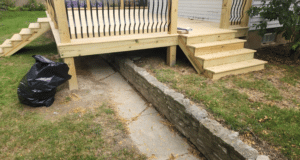
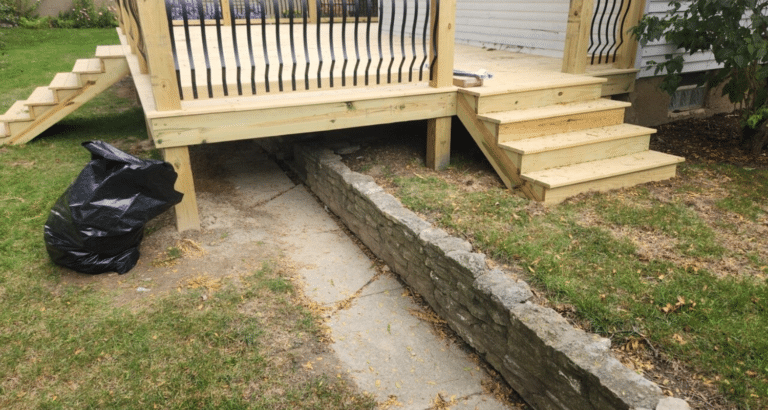
3-Season Rooms often sit on deck-style foundations or simple concrete piers. Building codes treat them more like covered porches than living spaces.
4-Season Rooms need permanent foundations just like any room addition. This means a concrete slab, crawl space, or basement extension. The foundation must meet local building codes for frost depth and load requirements.
Framing & Finishes
3-Season Rooms typically use aluminum or vinyl framing with minimal interior finishes. You’ll see the frame structure and glass with simple trim work.
4-Season Rooms get fully finished interiors. Drywall covers insulated walls. Baseboards, crown molding, and paint create a polished look. Flooring options include hardwood, tile, carpet, or luxury vinyl.
HVAC Integration
3-Season Rooms don’t connect to your home’s heating and cooling system. Portable units provide temporary comfort but can’t maintain consistent temperatures.
4-Season Rooms extend your HVAC system or add dedicated climate control. This might mean running ductwork from your existing furnace and air conditioner, or installing a mini-split system.
Cost Considerations
Budget plays a major role in choosing between seasonal room types.
3-Season Room Costs
Basic 3-season rooms typically cost $15,000 to $35,000 for a standard size (12×16 feet). Costs depend on:
- Room size
- Glass quality
- Framing materials
- Foundation complexity
- Site preparation needs
These rooms cost less because they use simpler construction, minimal insulation, and no HVAC work.
4-Season Room Costs
Expect to pay $30,000 to $80,000 or more for a 4-season room of similar size. Higher costs come from:
- Permanent foundation work
- Full insulation requirements
- Premium insulated glass
- HVAC installation or extension
- Interior finishing work
- Electrical and lighting
Complex projects with custom features, high-end materials, or difficult site conditions can exceed $100,000.
Traditional Room Addition Costs
Standard stick-built room additions typically cost $80,000 to $150,000+ for comparable square footage. These take longer to build and use more expensive construction methods.
Prefabricated sunroom systems from companies like Patio Enclosures or Titan Sunrooms often cost less than traditional construction while still providing quality results.
Return on Investment
Both 3-season and 4-season rooms add value to your home. However, 4-season rooms typically return more of their cost at resale because they function as true living space.
Real estate appraisers often count 4-season rooms as part of your home’s square footage. Most 3-season rooms don’t add to official square footage but still improve appeal and marketability.
Year-Round Use & Comfort
How you plan to use your new space determines which type makes sense.
4-Season Room Comfort
These rooms work like any other room in your house. You can use them comfortably in any weather. Summer air conditioning keeps temperatures pleasant. Winter heating makes them cozy.
This makes 4-season rooms perfect for:
- Home offices (daily year-round use)
- Playrooms for kids
- Dining areas for entertaining
- Exercise or yoga spaces
- Guest bedrooms
- Living rooms or family rooms
3-Season Room Limitations
Three-season rooms shine during mild weather. Spring mornings, summer evenings, and fall afternoons feel perfect in these spaces.
But extreme heat makes them uncomfortable without portable cooling. Cold weather renders them mostly unusable in northern climates. You’ll get 6 to 9 months of use depending on your location.
Best uses for 3-season rooms:
- Casual entertaining during nice weather
- Morning coffee spots
- Reading nooks
- Plant rooms or greenhouses
- Seasonal hobbies
Energy Efficiency
Four-season rooms with proper insulation actually improve your home’s energy efficiency. Good insulation and quality glass prevent heat loss in winter and heat gain in summer.
Three-season rooms don’t provide meaningful insulation benefits. They may even increase heating and cooling costs if poorly sealed.
Noise & Allergens
Both room types reduce outdoor noise compared to open decks or patios. Glass blocks wind sounds and neighborhood noise.
For allergy sufferers, enclosed sunrooms of any type keep pollen, dust, and outdoor allergens at bay while still providing outdoor views.
Homeowner Decision Factors
Several key factors should guide your choice between 3-season and 4-season rooms.
Climate Considerations
Your local climate matters enormously. Homeowners in mild climates like coastal California or the Southeast can enjoy 3-season rooms nearly year-round.
Northern climates with harsh winters make 4-season rooms the better choice if you want consistent use. Areas with extreme summer heat benefit from the cooling capability of 4-season rooms.
Budget Reality
If budget is tight, a 3-season room gives you outdoor living space at half the cost of a 4-season room. You can always upgrade insulation and add HVAC later if desired.
But if you plan to use the space daily year-round, spending more upfront for a 4-season room makes sense. You’ll avoid the frustration of an unusable space during weather extremes.
Intended Use
How will you actually use this space?
Choose a 3-season room if you want:
- Casual seasonal use
- A place to enjoy nice weather
- Budget-friendly extra space
- Simple construction and faster completion
Choose a 4-season room if you need:
- Daily year-round functionality
- True living space that counts
- Home office or guest room
- Maximum comfort in all weather
- Better resale value
Maintenance Requirements
Three-season rooms typically need less maintenance. Simpler construction means fewer components that can fail. Aluminum frames resist rust and rot.
Four-season rooms require the same maintenance as the rest of your home. HVAC systems need regular service. Interior finishes may need repainting or repairs over time.
Home Integration
Four-season rooms integrate seamlessly with your home’s existing architecture. Interior finishes match your current rooms. The space feels like a natural extension.
Three-season rooms often look more like add-ons. The visible aluminum framing and minimal finishes create a different aesthetic. Some homeowners love this casual feel. Others prefer the polished look of 4-season construction.
Local Contractors & Installation
Working with experienced contractors ensures quality results.
Recommended Providers
Several reputable companies specialize in sunroom additions:
Titan Sunrooms offers both 3-season and 4-season options with customizable features and strong warranties.
Patio Enclosures provides prefabricated systems that install quickly with quality materials and tempered safety glass.
Lindus Construction handles complete design-build services for custom sunroom projects.
Archadeck specializes in outdoor living spaces including sunrooms and seasonal room additions.
Vetting Your Contractor
Before hiring any contractor, verify:
- Proper licensing and insurance
- References from recent clients
- Portfolio photos of completed sunrooms
- Detailed written estimates
- Clear warranty terms
- Timeline expectations
Ask to see similar projects they’ve completed. Visit a finished sunroom if possible to see quality firsthand.
Design Inspiration
Most sunroom companies offer online galleries, YouTube walkthroughs, and virtual consultations. Review these resources to refine your vision before meeting contractors.
Consider visiting local home shows where sunroom companies display models. Seeing and touching materials helps you make confident decisions.
Frequently Asked Questions
Is a 4-season room cheaper than a traditional room addition?
Yes, typically 4-season rooms cost 30 to 50% less than traditional stick-built additions. Prefabricated sunroom systems install faster using fewer materials. You get similar functionality at a lower price point.
What is the difference between a sunroom and a four-season room?
Sunroom is a general term for any glass-heavy room addition. A 4-season room is a specific type of sunroom built with full insulation, HVAC, and permanent foundation for year-round use. All 4-season rooms are sunrooms, but not all sunrooms are 4-season rooms.
What qualifies a room as a sunroom?
Abundant windows and natural light define sunrooms. Most feature glass on three or four walls. The room connects you to outdoor views while protecting you from weather and insects.
What is the cost difference between a 3-season and 4-season room?
Three-season rooms typically cost $15,000 to $35,000. Four-season rooms run $30,000 to $80,000 or more. The higher cost comes from permanent foundations, full insulation, HVAC work, and interior finishes.
Does a 4-season room require a permanent foundation?
Yes, building codes require permanent foundations for 4-season rooms. This ensures structural stability and allows proper insulation. Three-season rooms can use simpler deck-style foundations in many areas.
Making Your Decision
Choosing between a 3-season room and 4-season room comes down to climate, budget, and how you’ll use the space.
Three-season rooms work well for seasonal enjoyment at a lower cost. Four-season rooms provide true year-round living space with better resale value.
At Builders Group Construction, we help Dayton area homeowners add beautiful, functional spaces to their homes. Our team brings 75+ years of combined experience to every home addition project.
Whether you’re considering a sunroom, room renovation, or complete design-build remodel, we guide you through every decision.
We serve homeowners throughout Dayton, Kettering, Centerville, Beavercreek, and surrounding communities.