Getting a bathroom remodel right matters. Mistakes made during planning, layout, and material selection often lead to daily frustration, moisture problems, and costly repairs later.
Common errors include poor budgeting, weak layouts, inadequate ventilation, improper lighting, non-moisture-resistant materials, limited storage, and overconfident DIY work. These mistakes cause functional issues, mold growth, and expensive fixes down the road.
Successful bathroom renovations focus on proper waterproofing, effective ventilation, and balancing modern features with timeless design choices.
With 75+ years of combined experience working in Dayton-area homes, we have seen what works and what fails. Whether you live in Beavercreek, Kettering, or elsewhere in the Miami Valley, the lessons in this guide apply.
Planning Mistakes You Must Avoid
The biggest bathroom renovation mistake is skipping proper planning.
Projects that feel flexible early move quickly once construction begins. Decisions that seemed simple suddenly become permanent, and changes become costly or impossible.
Scrolling through Pinterest and starting demolition is not a plan. Consider traffic flow, long-term needs, and existing plumbing locations. In older Dayton homes, especially those built before 1960, plumbing layouts often limit design options.
Our 12-step planning process addresses layout, accessibility, and design before work begins. This approach eliminates surprises and long-term regrets.
Common Design Regrets
The Rain Shower Problem
Rain showers photograph beautifully but often disappoint in daily use.
They create challenges for people who do not wash their hair daily. Avoiding a full soak becomes nearly impossible, even with a shower cap.
Rain showers also split water pressure between heads. Without specialized hardware, both streams feel weak. Maintaining strong pressure requires additional equipment and higher upfront cost.
Better option: Dual-head showers with accessible faucet placement. You control where water goes.
The Missing Bathtub
Removing a bathtub to expand the shower seems logical. The bathroom feels modern and larger.
Many homeowners regret this decision. Occasional baths matter, especially during Dayton’s colder months when illness or sore muscles make soaking appealing.
Tub size matters. Deep soaking tubs can hold 80+ gallons of water, which strains standard water heaters. Narrower tubs with 14-15 inch depth hold closer to 50 gallons and work better in most homes.
Shower Niches That Don’t Drain
Built-in shower niches look sleek, but poor installation causes problems.
If the niche shelf is not angled toward the drain, water pools after every shower. This trapped moisture eventually seeps behind tile and leads to mold.
Fixing this issue later can cost hundreds. Proper slope during installation prevents long-term damage.
Open Showers in Cold Climates
Doorless showers work well in warm climates. In Ohio, they often cause daily discomfort.
Cold air constantly enters the shower space, making it difficult to stay warm. Instead of one brief chill when stepping out, you feel cold the entire time.
This design suits regions like Florida or North Carolina. In the Miami Valley, it creates an unpleasant experience.
Material and Finishing Choices That Backfire
Wrong Grout Color
Light grout appears clean and classic but shows dirt quickly.
In high-traffic bathroom areas, especially around sinks and floors, light grout stains easily. Darker grout hides grime and reduces visible wear. Choosing grout at least two shades darker than tile keeps surfaces looking cleaner longer.
Cheap Vanities in Humid Spaces
Bathrooms produce constant moisture. Low-quality vanities deteriorate quickly in humid conditions.
Budget cabinetry scratches easily, swells, and shows wear within months of daily use. Materials that look acceptable in showrooms often fail in real bathrooms.
Builders Group Construction sources: We only use moisture-resistant cabinetry and timeless finishes designed to last decades, not years.
Beadboard and Barn Doors
Beadboard adds charm but performs poorly in bathrooms. Grooves trap moisture and grime, making cleaning difficult.
Barn doors create similar issues. They do not block sound or light effectively and provide little privacy. These doors may work in offices but fail in bathrooms and bedrooms.
Too Much Small Tile
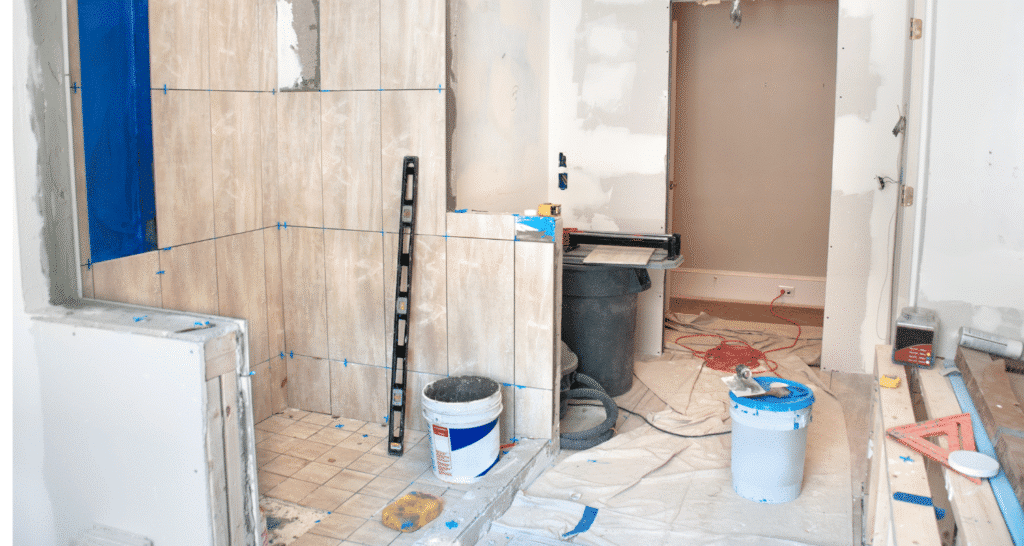
Small tiles increase grout lines. More grout means more cleaning and maintenance.
Large format tiles, such as 12×24 or larger, reduce grout lines, simplify cleaning, and create a more modern look. They also hold up better over time.
Storage and Layout Fails That Kill Functionality
Insufficient Storage Planning
Beautiful bathrooms become frustrating when storage is inadequate.
Primary bathrooms need dedicated towel and linen storage, either within the bathroom or immediately outside. Without it, clutter builds fast.
Plan for recessed niches, wall-mounted cabinets, floating shelves, and vanities with deep drawers. Over-the-toilet storage helps maximize small spaces.
Misplaced Fixtures and Outlets
Small placement mistakes cause daily frustration.
Hand towel holders placed between sinks and walls prevent proper drying and lead to odor buildup.
Common placement mistakes include:
- Shower heads too low or perfectly centered (no escape from spray)
- Toilet paper holders out of reach
- Missing outlets behind toilets (needed for future bidets)
- Towel bars that hit the door when opened
Meet Brittany Gilmore: Our lead designer and former Tile Shop expert plans every inch for storage and usability. She knows where things should go.
No Plumbing Access Panels
Access panels make future plumbing repairs far easier.
Without access panels, even minor plumbing issues require cutting into finished tile. If a wet wall backs onto a closet or hallway, install an access panel there. It saves time, money, and frustration later.
Wall-Mounted Faucets Done Wrong
Wall-mounted faucets look modern but require precise installation.
Plumbers unfamiliar with these fixtures may install rough-in plumbing at incorrect heights. Always confirm measurements before walls are closed. Once drywall is installed, corrections become expensive.
Ventilation, Drainage, and Moisture Control Mistakes
Dayton’s humid summers and wide temperature swings create ideal conditions for moisture problems. Poor ventilation and drainage make these issues worse.
Inadequate Exhaust Fans
Bathrooms require proper ventilation, especially with Ohio’s moisture levels.
Weak ventilation leads to mold growth, peeling paint, and long-term structural damage. These problems often start small and escalate quickly.
Install an exhaust fan sized correctly for the bathroom. Ensure it vents outside, not into the attic. Heated towel rails that operate independently from the HVAC system help towels dry faster during humid months.
Improper Drainage Slopes
Standing water creates ongoing problems.
Wet room floors, shower pans, and niches must slope properly to drain completely. Standard slopes often leave water behind.
Increasing slope slightly ensures water flows fully toward drains instead of pooling in corners. This applies to floors, shower bases, and window sills in wet areas.
Skipping Waterproofing
Water damage is costly and often hidden until serious problems develop.
Bathrooms require professional-grade waterproofing. Standard drywall and low-quality membranes fail under constant moisture.
BGC guarantees: Our IBC-compliant builds are waterproofed with professional-grade membranes behind all tile. We build bathrooms to last a lifetime.
Accessibility and Future-Proofing Oversights
Planning Only for Today
Many homeowners design bathrooms solely for current needs without considering the future.
Smart additions that help now and later:
- Walk-in showers with bench space
- Grab bars installed during construction (or blocking added for future installation)
- Comfort-height toilets
- Adjustable-height bathroom vanities
- Wider doorways (32 inches minimum)
- Non-slip flooring throughout
Consider accessibility options even if you don’t need them now. Falls occur in bathrooms frequently. Plan for growing old in this home.
Narrow Toilet Rooms
Separate toilet rooms offer privacy but must be sized correctly.
Overly narrow toilet closets create safety risks. If someone falls, emergency responders may struggle to provide assistance.
Allow enough space for safe movement and assistance. A minimum clear floor space of 30×60 inches works well in most homes.
Forgetting About Outlets
Electrical planning affects both comfort and future upgrades.
Adding outlets during construction costs very little. Installing them later requires opening walls and costs significantly more.
Plan outlets for:
- Heated floors
- Towel warmers
- Electric toothbrushes
- Hair styling tools
- Night lights
Budgeting and Hiring Right
Underestimating Hidden Costs
Bathrooms look simple. The reality is complex.
You’re coordinating plumbers, electricians, tile installers, drywall experts, painters, and more. In older Dayton homes (common in areas like Centerville and Miamisburg), you might find:
- Outdated wiring that needs upgrading
- Hidden water damage or mold
- Plumbing that doesn’t meet current code
- Asbestos in old tile or insulation
Budget an additional 10-15% for unexpected issues. Homes build before 1980 should plan closer to 20%.
Choosing Based on Price Alone
The lowest bid often leads to the highest long-term cost.
Contractors who underbid frequently cut corners on waterproofing, structure, or materials. Repairs later often exceed initial savings.
What Justin Vaughn knows: Our Army veteran project manager understands where to invest for durability. No cutting corners on waterproofing, structure, or critical components.
Not Vetting Your Contractor
Thorough vetting protects your investment.
Check these before hiring anyone for your Brookville, Huber Heights, or Dayton bathroom remodel:
- Valid Ohio licenses and insurance
- References from recent local projects
- Portfolio of similar bathroom work
- Clear communication from first contact
- Knowledge of local building codes
At BGC, we are one of the most referred remodelers in Dayton. We show up, communicate clearly, and build projects correctly the first time.
Build It Right the First Time
A successful bathroom remodel balances planning and execution. It is not only about appearance but about long-term performance.
Think through these areas before demolition:
- Layout and traffic flow
- Storage for everything you need
- Proper ventilation and waterproofing
- Accessibility features for the future
- Quality materials that handle moisture
- Professional installation by experienced teams
Rushed decisions and shortcuts lead to expensive repairs later. Time invested in planning prevents future regret.
Ready to avoid these mistakes? BGC has helped hundreds of Miami Valley homeowners create beautiful, functional bathrooms. Our veteran-led team brings 75+ years of combined experience to every project.
We handle everything from aging-in-place upgrades to full luxury remodels. And we do it right the first time.
FAQs
What are the most common mistakes people make during a bathroom renovation?
Covers space planning, poor ventilation, storage oversight, improper waterproofing, and material mismatches.
How can I prevent mold and moisture problems in my new bathroom?
Addresses proper drainage slope, exhaust fan placement, waterproofing membranes, and moisture-resistant paint.
Should I keep my bathtub or replace it with a larger shower?
Explains why some homeowners regret removing tubs and how to decide based on lifestyle, climate, and resale value.
Why is grout color such a big deal in bathroom design?
Discusses how light grout gets dirty quickly in high-traffic zones and how darker grout can mask grime.
5. How do I avoid drainage issues with shower niches and floors?
Explains niche slope errors, cold tile issues, and the importance of correct shower slope to prevent pooling.
What should I know before installing an open or doorless shower?
Highlights regrets about cold air, water splash, and bad shower control placement.
Is it worth adding heated flooring in the bathroom?
Covers benefits of comfort, scheduling install timing, and installation advice from homeowners.
What materials should I avoid in bathroom renovations?
Details problems with ceramic tiles, wood vanities without sealing, beadboard, and barn doors.
How much should I budget for unexpected bathroom renovation costs?
Advises on including a 10–15% buffer for mold, electrical surprises, plumbing misalignments.
What accessibility features should I consider, even if I don’t need them now?
Outlines walk-in showers, grab bars, comfort-height toilets, and outlet placement for future bidets.