A sunroom brings natural light and extra living space to your home, connecting you to outdoor views while keeping you comfortable inside. Many Dayton homeowners choose sunroom additions to enjoy their backyards year round without dealing with bugs or unpredictable Ohio weather
This guide covers everything you need to know. You’ll learn about costs, construction methods, design options, and how to plan your project. Whether you’re thinking about a three season room or a fully insulated four season space, we’ll help you make smart choices.
What Is a Sunroom Addition?
A sunroom is an enclosed living space with large windows or glass panels. It attaches to your existing house and extends your living area. Most sunrooms feature floor to ceiling glass that lets in maximum sunlight.
An attached sunroom addition becomes part of your home’s footprint. It typically shares one wall with your house and has its own foundation. The sunroom extension for house remodeling projects creates rooms perfect for morning coffee, reading, or entertaining guests.
Unlike outdoor patios, sunrooms protect you from weather. You stay warm in winter and cool in summer while enjoying outdoor views. The extra square footage adds real value to your property too.
Types of Sunrooms
Different sunroom types serve different needs and budgets.
Three season sunrooms work great for spring, summer, and fall. They include windows and screens but limited insulation. These cost less to build but get too cold for winter use in Ohio. Most families use them about nine months per year.
Four season sunrooms function as true living spaces all year. They feature full insulation, proper heating and cooling, and energy efficient windows. You can use a four season sunroom every day, even during Dayton’s coldest months. The year round sunroom becomes an actual room, not just a porch.
Solariums offer the most glass coverage. They have glass roofs and walls on multiple sides. Solarium addition cost runs higher because of specialized materials and installation. These spaces flood with natural light but need careful climate control.
Sunroom Addition Cost
Sunroom addition cost varies widely based on size, materials, and features.
A basic three season sunroom typically costs $15,000 to $35,000 for average sizes. These use simpler construction and fewer climate controls.
Four season sunrooms run $25,000 to $80,000 or more. The cost to add a sunroom with full insulation, HVAC, and quality materials adds up quickly. You’re essentially building a new room with extensive glass work.
Size affects sunroom additions cost significantly. A small 10×10 space costs less than a spacious 20×20 addition. Materials matter too. Vinyl frames cost less than custom wood. Standard glass is cheaper than energy efficient options.
Labor makes up 40% to 60% of total sunroom prices. Professional installation ensures proper waterproofing, insulation, and structural integrity. Cutting corners here leads to expensive problems later.
Don’t forget permits, electrical work, and HVAC extensions. These hidden costs surprise many homeowners. Budget an extra 10% to 15% for unexpected expenses.
Planning a Sunroom Addition
Good planning prevents costly mistakes.
Choose your location carefully. South facing sunrooms get maximum winter sun but can overheat in summer. East facing rooms enjoy morning light. West facing spaces get warm afternoon sun. North facing sunrooms receive the least direct sunlight.
Think about existing traffic flow. Your sunroom should connect naturally to your home’s layout. Many homeowners attach sunrooms to living rooms, kitchens, or master bedrooms.
Design considerations include room size, roof style, and window placement. Decide how you’ll use the space. A breakfast nook needs different features than a home office or gym.
Check local building codes before you start. Most areas require permits for sunroom additions. Your city inspects foundation work, electrical, and structural elements. Skipping permits creates legal problems when you sell your home.
Sunroom planning and permits take time but save headaches later. Work with contractors who know Dayton area requirements. At Builders Group Construction, our team handles all permitting and ensures your project meets local codes.
Sunroom Construction Process
Professional sunroom construction follows clear, sequential steps:
- Site Prep and Foundation: Contractors level the ground and pour concrete footings.
- Framing: Builders install the posts, beams, and rafters that create the room’s skeleton.
- Windows: Workers set large glass panels and seal them to prevent water infiltration.
- Roofing and Utilities: Solid or glass roofing is installed, followed by electrical wiring and insulation.
- Finishing: Flooring, trim, and HVAC connections are finalized.
The process typically takes four to eight weeks, depending on weather and permit timelines.

Sunroom Foundation Requirements
Your sunroom needs a solid foundation.
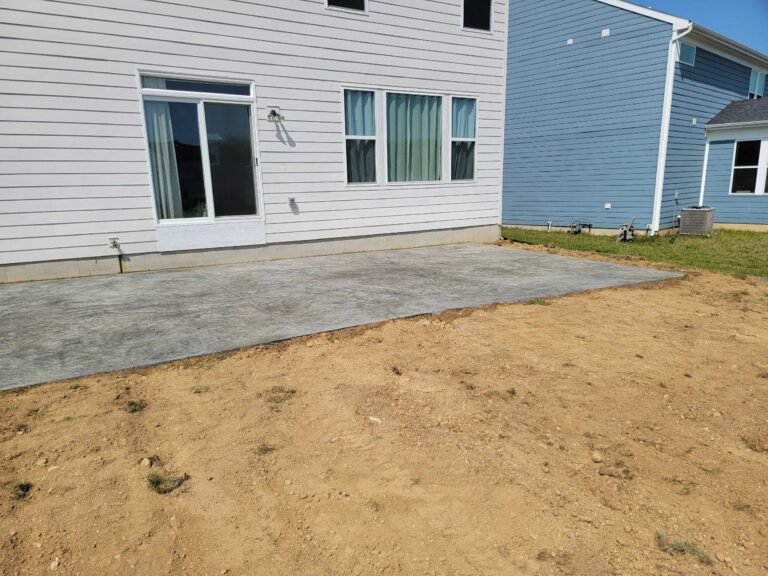
Concrete slab foundations work well for ground level additions. Contractors pour a thick concrete pad that supports the entire structure. Slabs provide excellent stability and are easy to insulate.
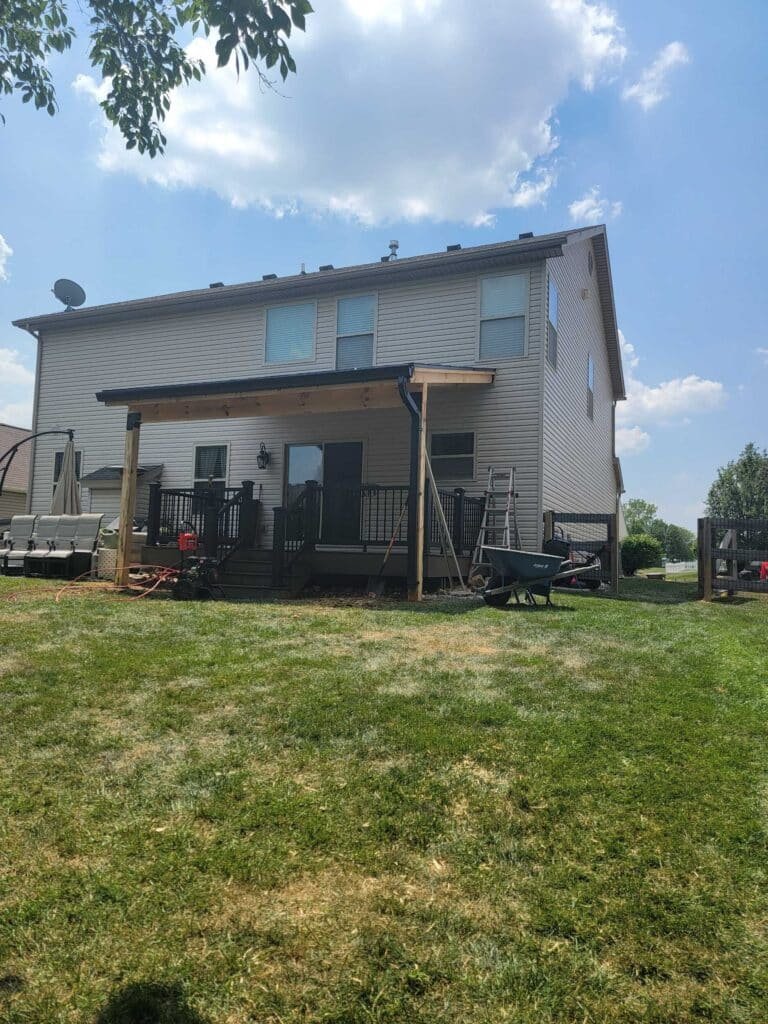
Deck foundations use posts and beams similar to outdoor decks. These work for elevated sunrooms or uneven terrain. Deck style foundations cost less but require careful construction.
Crawl space foundations create room underneath for utilities. They offer access to plumbing and electrical but add complexity and cost.
Your choice depends on existing home height, ground conditions, and local frost lines. In Ohio, foundations must extend below the frost line to prevent shifting. Professional contractors know local sunroom foundation requirements.
Sunroom Windows and Glass Options
Windows make or break your sunroom experience.
Energy efficient glass keeps your room comfortable and reduces heating costs. Look for low E coatings that reflect heat. Double pane or triple pane insulated glass panels provide better temperature control than single pane.
Tempered glass offers safety in high traffic areas. It breaks into small pieces instead of dangerous shards.
Tinted glass reduces glare and UV damage to furniture. Some homeowners choose clear glass for maximum brightness.
Window quality affects sunroom windows and glass performance for decades. Cheap windows fog up, leak, and waste energy. Quality products from trusted manufacturers last much longer.
Sunroom Heating and Cooling
Climate control determines whether you’ll actually use your sunroom.
Extending your home’s HVAC system works best for four season rooms. Contractors run ductwork into the new space and adjust your system capacity. Sunroom HVAC integration provides consistent comfort but may require a larger furnace or AC unit.
Ductless mini split systems offer another option. These don’t need extensive ductwork and provide both heating and cooling. Installation costs less than extending central HVAC.
Space heaters work for occasional use in three season rooms. Ceiling fans help circulate air and reduce cooling costs in summer.
Think about sunroom heating and cooling costs before building. A poorly designed room becomes an expensive oven in summer or icebox in winter. Proper insulation, quality windows, and adequate climate control make the difference.
Sunroom Flooring Options
Choose flooring that handles temperature changes and sunlight.
- Tile flooring resists moisture and temperature swings. Ceramic or porcelain tiles clean easily and last for decades. They work great over concrete slab foundations.
- Vinyl flooring costs less and installs quickly. Modern luxury vinyl planks look like wood but handle sunroom conditions better. Vinyl tolerates temperature changes without warping.
- Engineered wood offers natural beauty with better stability than solid hardwood. It expands and contracts less in changing conditions.
Tip: avoid carpet in sunrooms. Sunlight fades quickly. Moisture from temperature changes can cause mildew.
Your sunroom flooring options should match your home’s style while handling the unique environment. Builders Group Construction helps you pick materials that look great and last.

Sunroom Frame Materials
Frame materials affect cost, maintenance, and appearance.
- Vinyl frames require zero painting and resist rot. They insulate well and cost less than other options. Vinyl sunroom construction delivers good value for budget conscious homeowners.
- Aluminum frames provide strength and slim sightlines for maximum glass. Aluminum sunroom frames last forever but conduct heat and cold. They need thermal breaks to prevent condensation.
- Wood frames offer traditional beauty and excellent insulation. They require regular painting or staining. Wood costs more upfront and needs ongoing maintenance.
Most Dayton homeowners choose vinyl for low maintenance. Aluminum works well for modern designs. Wood fits historic homes beautifully.
Patio to Sunroom Conversion
Many homeowners convert patios into sunrooms.
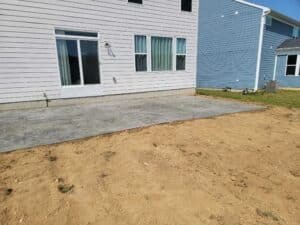
Patio to sunroom conversion can save money if your patio has a good foundation. Contractors build walls and install windows around the existing concrete pad. They add a roof and connect everything to your house.
This approach works great when you already have the foundation and sometimes a roof structure. You’re essentially enclosing an outdoor space rather than building from scratch.
Check that your patio foundation meets building codes for enclosed spaces. Some patio slabs are too thin or poorly drained. You might need foundation improvements before conversion.
Our team at Builders Group Construction has helped many Dayton area homeowners transform patios into comfortable sunrooms. We assess your existing structure and recommend the best approach.
DIY Sunroom vs Professional Installation
Should you build your own sunroom or hire professionals?
DIY sunroom projects attract handy homeowners wanting to save money. Prefab kits make this more realistic. You can build your own sunroom if you have construction experience, proper tools, and lots of time.
However, sunrooms involve complex tasks. Foundation work requires precision. Window installation must be waterproof. Electrical and HVAC connections need proper licensing in most areas.
Professional installation guarantees quality results. Licensed contractors know building codes, have the right equipment, and finish faster. Their work comes with warranties. If something leaks or fails, they fix it.
Most DIY sunroom builds end up costing more than expected. Mistakes are expensive. Homeowners often hire contractors to fix problems anyway.
For a room you’ll use daily, professional construction makes sense. You get permits handled correctly, quality materials, and guaranteed workmanship.
Why Choose Builders Group Construction
We bring 75 years of combined experience to every sunroom project in Dayton, Centerville, Beavercreek, and surrounding areas. Our veteran led team, featuring project manager Justin Vaughn, ensures every detail meets high standards. We are fully insured, Angi Super Service Award winners, and committed to a transparent 12 step process.
FAQs
Can a sunroom be used year-round?
Yes, a four season sunroom with proper insulation, HVAC, and energy efficient windows can be used all year. Three season sunrooms work well for spring, summer, and fall but get too cold for Ohio winters.
How much does it cost to build a sunroom?
Basic three season sunrooms cost $15,000 to $35,000, while four season sunrooms range from $25,000 to $80,000 or more. Final cost depends on size, materials, insulation, and features like heating and cooling systems.
How much would a 12×12 sunroom cost?
A 12×12 sunroom (144 square feet) typically costs $18,000 to $45,000 depending on whether it’s three season or four season. Higher end materials, custom windows, and HVAC integration push costs toward the upper range.
How much would a 20×20 sunroom cost?
A 20×20 sunroom (400 square feet) generally costs $40,000 to $100,000 or more for a fully featured four season room. Larger spaces require more materials, stronger foundations, and additional heating and cooling capacity.
Do you need a permit to build a sunroom?
Yes, most cities require building permits for sunroom additions since they involve foundation work, electrical, and structural changes. Skipping permits creates legal problems and issues when selling your home.
What is the difference between a sunroom and a solarium?
A sunroom has large windows on walls with a solid or glass roof, while a solarium features glass walls and a full glass roof. Solariums cost more and provide maximum natural light but require careful climate control.
How long does it take to build a sunroom?
Most professional sunroom projects take four to eight weeks from start to finish. Timeline depends on size, complexity, weather conditions, and permit approval times.
What materials are best for sunroom construction?
Vinyl frames offer low maintenance and good insulation, aluminum provides strength with slim sightlines, and wood delivers traditional beauty. Energy efficient windows, proper insulation, and quality roofing materials are essential for four season use.
Ready to Add Your Sunroom?
A well built sunroom adds value and a great extra living space to your Dayton home. Whether you want a three season retreat or a year round room, BGC can help.
Call Builders Group Construction at 937-800-4409 or email Info@bgcnow.us for a free consultation. We serve homeowners throughout the Dayton area, from Centerville to Beavercreek, Kettering to West Chester.
Let’s discuss your sunroom addition and create a space your family will enjoy for decades. We handle everything from permits to final walkthrough.