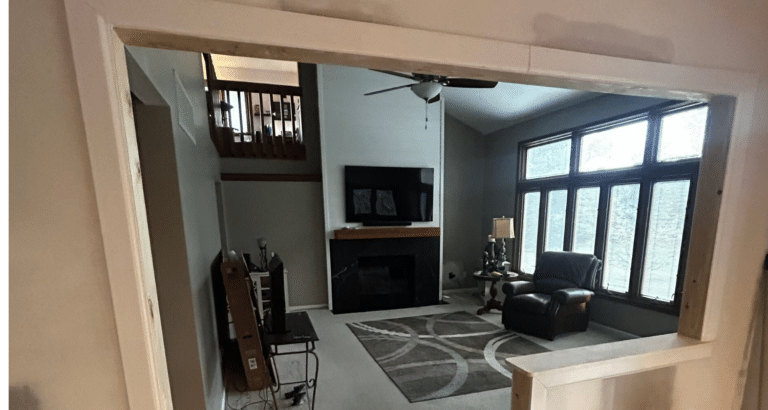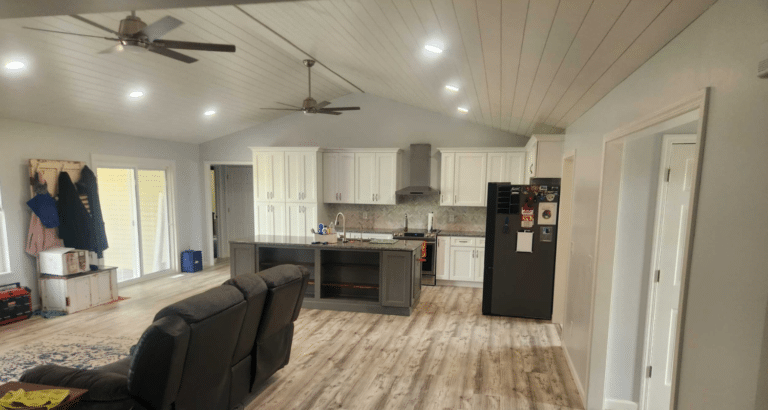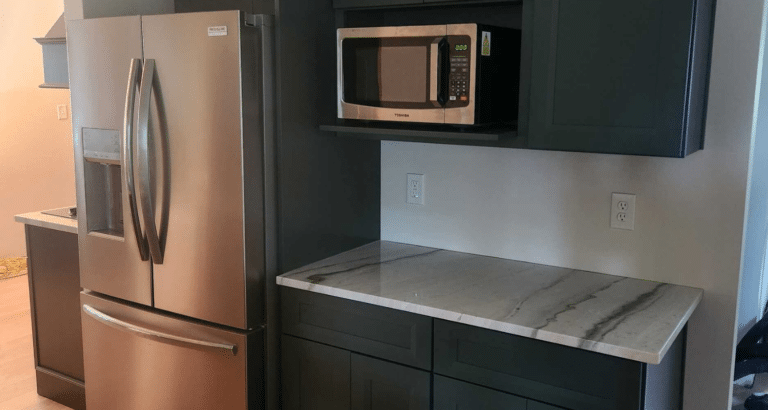
The way we work has fundamentally changed. As more professionals in Dayton embrace remote and hybrid schedules, the home office has shifted from a luxury to a necessity. Whether you are converting a spare bedroom, finishing a basement, or transforming an underused garage, creating a dedicated workspace requires thoughtful planning and skilled execution.
Why Home Office Remodeling Is on the Rise in Dayton
The demand for dedicated home workspaces has grown significantly in recent years. The post-COVID shift toward remote work made it clear that kitchen tables and bedrooms are not sustainable for long-term productivity or work-life balance.
Dayton homeowners are recognizing the value of quiet, dedicated workspaces. A well-designed home office reduces distractions, improves focus, and creates clear boundaries between professional and personal life. Beyond daily function, a properly executed home remodel can increase property value, making it a smart investment now and in the future.
Step 1: Choose the Right Location for Your Home Office
Every successful home office begins with the right location. The most common conversions handled by Builders Group Construction include spare bedrooms, unfinished basements, attics, and garages.
Spare bedrooms offer existing walls, electrical systems, and climate control, making them the simplest option. Basements provide excellent sound control and generous space but often require insulation upgrades, moisture management, and enhanced lighting. Attic conversions can create inspiring workspaces with architectural character, though they typically need structural reinforcement, insulation, and HVAC extensions.
For homes with limited square footage, creative solutions still work well. Cloffice conversions and built-in office nooks within larger rooms allow homeowners to create functional workspaces without sacrificing entire rooms.
Thinking of remodeling a space? Builders Group Construction can help evaluate your options and design a conversion that maximizes both function and long-term value.
Step 2: Plan for Privacy and Light
Two factors often determine whether a home office truly functions well: sound control and natural light.
Soundproofing is essential, especially for households with activity or frequent video calls. Effective solutions include adding drywall layers, upgrading wall insulation, installing solid-core doors, and sealing gaps around outlets and windows. These upgrades reduce noise while improving overall energy efficiency.
Natural light has a strong impact on productivity and mood. South-facing windows provide consistent daylight, while north-facing windows offer softer, diffused light. If your space lacks windows, skylights or sun tunnels are excellent options, particularly in attic offices.
Step 3: Invest in the Right Built-Ins & Fixtures
Custom built-ins are one of the smartest investments in a home office remodel. Unlike freestanding furniture, built-in desks, shelving, and cabinets maximize space while creating a clean, integrated look.
Lighting requires careful planning. A layered approach works best, combining overhead ambient lighting, task lighting at the desk, and accent lighting to reduce eye strain. Recessed LED fixtures provide even illumination, while under-cabinet lighting brightens work surfaces without causing screen glare.
Electrical planning is critical. Modern home offices need outlets for computers, monitors, printers, phones, and chargers. Plan outlets every few feet and include dedicated circuits for high-demand equipment. Built-in surge protection should be part of the electrical plan rather than an afterthought.
Climate control matters as well. Converted spaces often need HVAC extensions or supplemental heating and cooling. Ceiling fans improve air circulation and help control energy costs year-round.
Pro Tip: Custom built-ins save floor space and increase storage. Ask BGC about cabinet and shelving solutions designed for tight or awkward layouts.
Step 4: Make It Comfortable and Ergonomic
Comfort and ergonomic design are essential for productivity during long work sessions. While furniture choices are personal, remodeling decisions should support healthy posture and movement.
Flooring affects both comfort and acoustics. Hardwood and luxury vinyl plank offer durability and a professional look, but standing on hard surfaces for extended periods can cause fatigue. Many homeowners plan space for anti-fatigue mats when using standing desks.
Carpet improves sound absorption and comfort but requires more maintenance. A common solution is hard flooring with area rugs, combining durability with comfort.
Desk placement matters. Plan enough space for monitors positioned at eye level and arm’s length. Built-in desks typically measure 29-30 inches high, though adjustable-height desks are increasingly popular.
Step 5: Think Storage & Cable Management
Clutter quickly undermines productivity, making storage planning essential. Vertical storage keeps supplies accessible while preserving floor space.
Wall-mounted organizers, floating shelves, and pegboard systems maximize usable space without crowding the room. Custom cabinetry conceals routers, modems, printers, and supplies behind closed doors.
Built-in cable management keeps cords hidden and organized, especially important in offices visible during video calls or shared with guest spaces.
Step 6: Personalize Your Space
While functionality drives the structural decisions, personalization makes your home office a space where you actually want to spend time. During the remodeling process, it is important to think about how finishes, colors, and design details will affect your day-to-day experience.
Color psychology shows that blues and greens promote focus and calm, making them strong choices for home office walls. Neutral tones also work well, creating a professional backdrop for video calls while allowing flexibility to update decor over time. If frequent video calls are part of your routine, discuss background wall treatments during your design consultation. A clean accent wall with subtle texture or board-and-batten detail adds visual interest without becoming distracting.
Built-in display areas for credentials, awards, books, or artwork can be integrated into custom cabinetry. These features add personality while maintaining the polished, professional look you want your workspace to project.
Step 7: Plan with a Pro for a Seamless Remodel
While minor updates like painting or rearranging furniture can be handled on your own, full home office conversions benefit from professional remodeling services. Structural changes, electrical upgrades, HVAC extensions, and custom carpentry require experience, proper permitting, and strict adherence to building codes.
Room conversions often require permits, especially when walls are added or removed, electrical systems are upgraded, or HVAC is extended. Builders Group Construction manages all permitting and inspections, ensuring your remodel meets IBC compliance standards and is completed safely and correctly.

Ready to Build Your Ideal Home Office?
Creating a functional, comfortable home office takes more than good intentions. It requires careful planning, quality construction, and attention to the details that make a space truly work for your needs. Whether you are converting a basement, finishing an attic, or converting a garage into a professional workspace, the right remodeling partner makes all the difference.
Need help remodeling your home office in Dayton, OH?
Call Builders Group Construction at 937-800-4409 or visit bgcnow.us to schedule your free consultation today.
FAQs
How do I convert a spare room into a home office?
Start by assessing your electrical outlets, lighting, and layout needs. Add task lighting, install additional outlets, consider soundproofing, and incorporate built-in storage to create a functional, dedicated workspace.
What are the best small home office layouts?
L-shaped and corner desk layouts maximize space efficiency. Vertical storage solutions like wall-mounted shelves, floating desks, and built-in cabinets help keep floor space open while providing ample storage.
How much does it cost to remodel a home office in Dayton?
Costs vary depending on the scope of work, from basic room conversions to full basement or garage remodels. Builders Group Construction offers free consultations to provide accurate estimates based on your specific project.
Can a basement be converted into a functional home office?
Yes. Basements offer natural sound control and generous space. Key upgrades typically include insulation, moisture management, improved lighting, HVAC extension, and egress windows when required.
Should I hire a contractor to build a home office?
For projects involving electrical work, structural changes, HVAC extensions, or custom built-ins, hiring a licensed contractor ensures code compliance and professional results. Builders Group Construction handles permitting, inspections, and construction from start to finish.
What kind of lighting is best for a home office remodel?
Layered lighting works best. Use recessed LED fixtures for general lighting, dedicated task lighting at your desk, and accent lighting to reduce eye strain and glare.
How can I soundproof my home office space?
Install additional drywall layers, upgrade wall insulation, use solid-core doors, and seal gaps around windows and outlets. Professional soundproofing creates a quieter workspace while improving energy efficiency throughout the room.
What are the benefits of built-in desks and cabinets?
Built-ins maximize space, reduce clutter, and create a polished, integrated look. They can be customized to your workflow and room dimensions, offering better storage than freestanding furniture.
Is it worth converting a garage into an office?
Yes, garage conversions create dedicated workspaces with excellent separation from household activity. They require insulation, HVAC extension, proper lighting, and finishing work, but offer substantial square footage and potential property value increase.
How do I keep cables organized in a home office remodel?
Plan cable management during construction using built-in channels, desk grommets, and floor boxes for routing wires. Custom built-ins can include hidden cable access points and enclosed compartments for routers, modems, and power strips.
What colors are best for concentration in a home office?
Blues and greens support focus and calm. Neutral tones create professional video call backgrounds and allow flexibility as decor preferences change.
Do I need permits to remodel a home office in Ohio?
Permits are typically required for structural changes, electrical upgrades, HVAC extensions, or adding and removing walls. Builders Group Construction manages all permitting and ensures your remodel meets IBC compliance standards and passes inspection.