Adding a second floor to your home can solve space problems without forcing you to move. You gain bedrooms, bathrooms, or workspace while keeping your yard intact. This is not a weekend project. It requires structural evaluations, permits, and experienced professionals from start to finish.
A second story addition involves more than stacking rooms on top of your house. Your foundation must support the added weight. Engineers, architects, and contractors all play a role. Local codes control height limits and design standards. The process also disrupts daily life for months.
Before committing, understand what is involved. Your existing foundation must handle the added load. Zoning laws may restrict how high you can build. Costs typically range from $100 to $300 per square foot. Permits, professional assessments, and detailed planning are required.
This guide covers key steps including checking structural feasibility, choosing between full or partial additions, managing costs, hiring the right team, and avoiding common mistakes. By the end, you will know whether building up makes sense for your Dayton-area home.
Is a Second Story Addition Right for You?
Not every home needs a second floor, and not every home can support one. Understanding when building up makes sense helps avoid costly mistakes.
When to Consider Going Up Instead of Out
Building up makes sense when your lot is small or local rules limit ground-level expansion. Many Dayton neighborhoods have strict setback requirements. Adding a second story preserves outdoor space and avoids property line conflicts.
A second story works well when you need multiple rooms. Adding three or four bedrooms often costs less per square foot when you build up instead of out. You avoid excavation, new foundation work for additions, and major landscaping disruption.
Lot restrictions often favor vertical growth. Zoning codes limit how much of your property can be developed. Building up keeps your footprint the same, allowing you to stay within coverage limits while increasing livable space.
Before committing, confirm three things: your foundation condition, local height restrictions, and neighborhood market acceptance of second stories. A structural engineer evaluates the foundation. Your city planning office confirms zoning rules. A real estate agent helps assess resale impact.
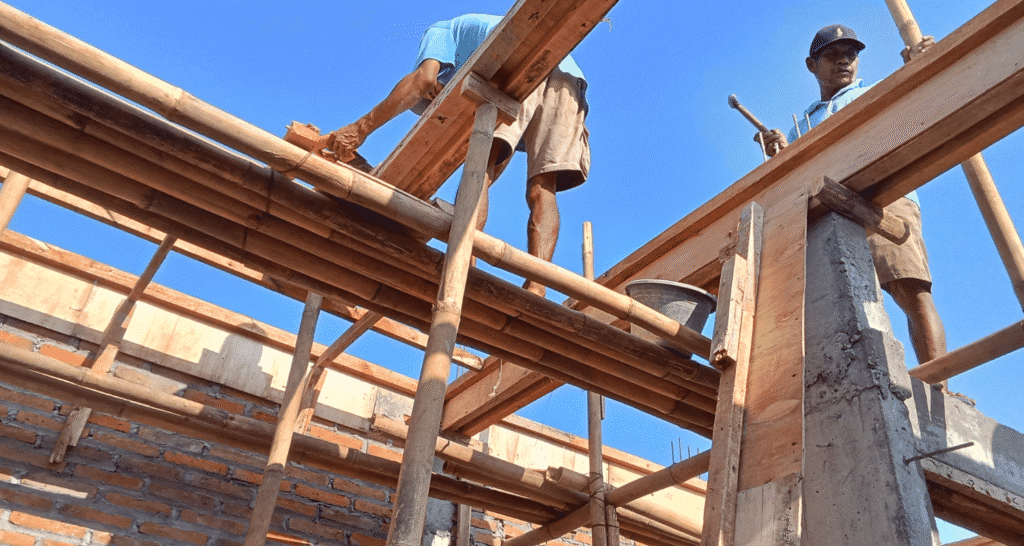
Pros and Cons of Adding a Second Floor
Benefits: More Space, No Yard Loss, Higher ROI
You can double your square footage without sacrificing your backyard. Outdoor space remains usable, and upper-level windows often provide better views.
Property value increases 40% to 65% after a well-executed second story addition. You gain bedrooms and bathrooms without relocating. The project also creates opportunities to redesign the first floor by moving bedrooms upstairs.
Challenges: Disruption, Design Complexity, Major Cost
Living through construction is difficult. Dust, noise, and workers may fill your home for months. Many families move out temporarily, which adds housing costs to the budget.
Design complexity is another challenge. The new level must align with existing architecture. Windows need to line up. Roof pitches should complement each other. Poor integration looks obvious and can reduce resale value.
Expect a six-figure investment. Materials, labor, permits, and system upgrades add up quickly. Foundation reinforcement alone can cost $10,000 to $30,000 if your current structure is not strong enough.
Structural Requirements and Feasibility
How to Know If Your Foundation Can Support a Second Floor
Your foundation must support new walls, floors, roofing, and interior loads. Only a structural engineer can confirm this through testing and evaluation.
Homes build on slabs often require major reinforcement to support a second story. Full basements typically indicate stronger foundations. Crawl spaces may work but often need additional support.
Importance of Soil Testing and Load Calculations
Soil type plays a major role in structural stability. Clay expands and contracts. Sandy soil can shift. Rocky ground provides stronger support. Engineers test soil bearing capacity and look for settlement risks.
Load calculations determine whether walls and foundations can handle added weight. Engineers measure existing components, calculate the new load, and specify required reinforcements.
Structural Engineer Role
At Builders Group Construction, we work with certified structural engineers on every second story project. Engineers inspect foundations, test soil conditions, and design reinforcement plans. This step is mandatory to protect both safety and long-term value.
Engineers also design connection points between existing and new structures. They specify beam sizes, support posts, and fastening methods. Without this expertise, structural failure becomes a serious risk.
Second Story Design Options
Full vs Partial Additions
A full addition covers the entire first-floor footprint. This provides maximum space but also increases cost and disruption. Full additions work best when four or more rooms are needed.
Partial additions cover only part of the home, often above a garage or single-story section. Costs are lower, and construction affects less of the house. You still gain valuable space with fewer disruptions.
Modular Second Stories
Modular second stories are built in a factory and lifted onto the home with a crane. Quality control improves, weather delays decrease, and on-site construction time is reduced from months to weeks.
Modular construction often costs less than traditional methods due to factory efficiency. However, crane access and size limitations may restrict this option in tight neighborhoods.
Integrating with Existing Architecture
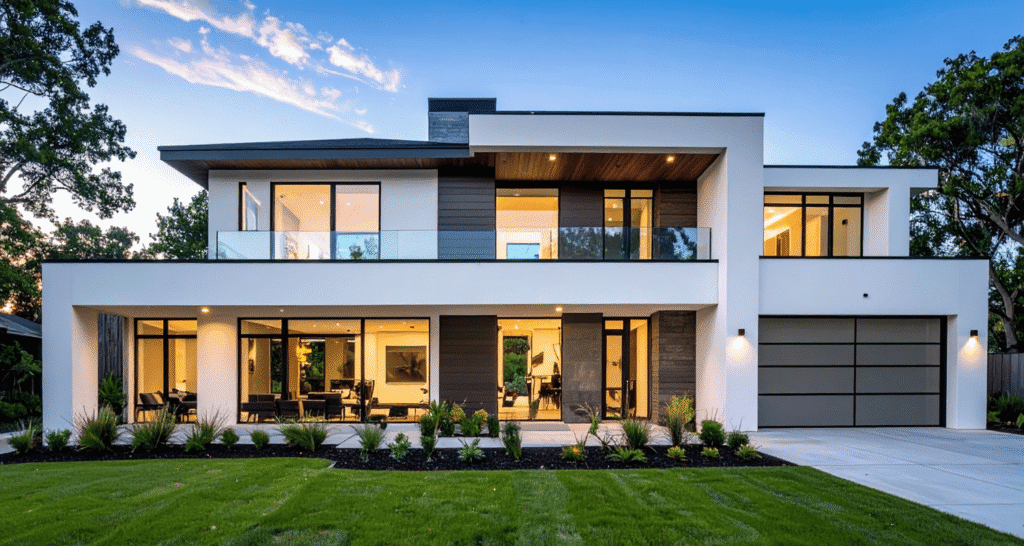
A second story should look like it was always part of the home. Matching window styles, siding materials, and trim details creates visual continuity. Roof pitches should complement existing slopes.
Updating the first-floor exterior to match the new level often improves curb appeal. Replacing siding on the entire home creates a unified appearance and supports resale value.
Cost Breakdown and Budgeting Tips
Per Square Foot Estimates
In the Dayton area, costs vary based on finishes, complexity, and timing. Basic additions with standard materials fall on the lower end of the range. High-end finishes, custom layouts, and structural reinforcements increase costs significantly.
Partial additions usually cost less per square foot than full second stories. These projects avoid some foundation work and often reduce roof replacement requirements.
What Influences Price: Materials, Systems, Labor
Material choices have a major impact on price. Luxury vinyl plank costs far less than hardwood flooring. Granite countertops exceed laminate pricing. Stock cabinets save thousands compared to custom options.
System upgrades add significant expense. HVAC systems often need expansion or replacement. Electrical panels may require upgrades. Plumbing extensions for additional bathrooms increase costs quickly.
Labor typically accounts for 40% to 60% of total project costs. Skilled trades charge higher rates. Complex designs require more hours. Accelerated timelines increase labor expenses.
Set aside 15% to 20% of your total budget for unexpected issues. Hidden structural problems can appear once walls are opened. Code requirements may change. Material prices fluctuate.
Planning and Permits
Zoning Laws, Building Codes, Height Restrictions
Dayton-area municipalities limit building heights. Some cap residential structures at 35 feet, while others allow more. Always confirm local limits before finalizing designs.
Setback rules may still affect second stories even when the footprint does not expand. Some jurisdictions require additional clearance for taller buildings.
Permit Process and Timelines
Permit approval typically takes six to twelve weeks. Applications require architectural plans, engineering stamps, and site surveys. Incomplete submissions cause delays.
Building permits cover framing, electrical, plumbing, and HVAC work. Each trade requires inspections at specific stages. Failed inspections halt progress until corrections are made.
At Builders Group Construction, we manage permit applications as part of our service. Our 75 years of combined experience helps reduce delays and approval issues.
Assembling Your Dream Team
Who to Hire: Architect, Engineer, Contractor
An architectural designs plans that balance function and appearance. They manage spatial flow, comply with design codes, and produce drawings required for permits.
A structural engineer ensures safety. They calculate loads, design reinforcements, and stamp plans for approval. Skipping this step creates serious risk.
Your contractor coordinates the entire project. They schedule trades, order materials, and oversee daily work. Choose a contractor with second story experience, not just general remodeling knowledge.
Questions to Ask Before Hiring
Ask for references from recent second story projects. Visit completed homes when possible. Verify licensing through Ohio construction authorities.
Request detailed timelines and payment schedules. Avoid contractors who demand large upfront deposits. Payments should align with completed milestones.
Confirm insurance coverage. Contractors must carry general liability and workers’ compensation. Ask for certificates and verify they are current.
At BGC, our team includes project managers like Justin Vaughn, a U.S. Army veteran with decades of construction experience. We are fully insured and have earned the Angi Super Service Award three years in a row.
Common Mistakes to Avoid
Skipping Permits
Skipping permits may seem appealing. It saves fees and avoids inspections. However, unpermitted work creates legal and financial problems.
Unpermitted additions must be disclosed when selling. Buyers often demand price reductions or walk away entirely. Insurance companies may deny claims related to unpermitted work, leaving you exposed after damage.
Underbudgeting and No Contingency Fund
Many homeowners underestimate costs by 20% to 30%. Hidden issues appear once construction begins. Foundation problems, outdated wiring, or asbestos require immediate attention.
Always plan a contingency fund. Set aside 15% to 20% beyond your estimated budget to handle unexpected expenses without financial stress.
Not Checking Zoning Height Limits
Some home design additions only to discover height limits prevent approval. Variance requests take months and may be denied. Always confirm zoning limits before hiring a designer.
FAQs
How do I know if my house can handle a second story?
Hire a structural engineer to inspect your foundation and framing. They’ll test soil conditions and calculate load capacity. This assessment costs a few hundred dollars but prevents expensive mistakes.
How long does a second story addition take?
Expect six to twelve months from planning through completion. Permit approvals take six to twelve weeks. Construction requires three to six months depending on size and complexity.
What’s the cheapest way to build a second story?
Partial additions over garages or single-story wings cost less than full second stories. Modular construction often saves money. Choosing standard materials over custom finishes reduces expenses.
Do I need to move out during construction?
Most families relocate temporarily. Dust, noise, and safety concerns make staying difficult. If you remain, expect major lifestyle disruptions for months.
Will I need new HVAC or plumbing?
Usually yes. Your existing system likely can’t heat and cool doubled space. Adding bathrooms requires plumbing extensions. Water pressure may need boosting. Factor these upgrades into your budget.
Final Thoughts
At Builders Group Construction, we’ve guided Dayton-area homeowners through complex additions for years. Our veteran-led team handles everything from structural assessments to final inspections. Ready to explore if a second story fits your home? Contact us at 937-800-4409 or visit bgcnow.us for a free consultation.