Home remodeling brings both excitement and stress. You imagine the finished space, but the mess, disruption, and daily chaos often feel overwhelming once work begins.
Preparation makes a measurable difference. Homeowners who plan ahead experience fewer surprises, stay closer to budget, and manage stress better throughout construction. Those who start unprepared often regret it within the first week.
This guide explains what to do before contractors arrive. You will learn how to protect belongings, set up temporary living spaces, prepare your family, and avoid mistakes that waste time and money. Whether renovating one room or your entire home, these steps help reduce stress and disruption.
Planning Before the First Hammer Swings
Set a Clear Vision
Start by defining exactly what you want. List must-haves, nice-to-haves, and items you can eliminate if budget becomes tight. Write down goals for each space. This may include added storage, better lighting, or improved traffic flow.
Share this vision with everyone involved. Contractors, designers, and family members should understand the end goal. Clear communication early prevents confusion and conflict during construction.
Budget: The 30% Rule
Create a detailed budget covering materials, labor, permits, and fees. Add 30% for unexpected costs. This contingency protects you when hidden issues surface behind walls.
Surprises occur in nearly every remodel. Outdated wiring may need replacement. Plumbing might not meet current codes. Subfloors may require repair. The 30% buffer allows these problems to be addressed without derailing the project.
Track spending as work progresses. Monitoring costs early helps prevent budget overruns from spiraling out of control.
Obtain Permits
Determine which permits your project requires. Most electrical, plumbing, and structural work needs approval from local building authorities. Your local department can confirm requirements.
At Builders Group Construction, we manage all permit applications as part of our service. With 75 years of combined experience, we understand exactly what Dayton-area projects require.
Timeline Expectations
Most remodels take longer than expected. Material delays, weather setbacks, and rescheduled inspections are common. Build extra time into your expectations to reduce frustration.
Hiring Professionals
Interview multiple contractors before making a decision. Check references, verify licenses, and confirm insurance coverage. Ask about experience with projects similar to yours.
Declutter and Organize the Space
Start Early with Non-Essential Items
Begin clearing areas at least two weeks before construction starts. This allows time to sort belongings thoughtfully instead of rushing decisions.
Go room by room within the renovation zone. Sort items into keep, donate, trash, and store categories. Renovation is an opportunity to reduce clutter and simplify.
Room-by-Room Purge
Kitchen remodels require emptying all cabinets and drawers. Pack dishes, cookware, and pantry items carefully. Label boxes clearly so items can be located during construction.
Bathroom renovations require removing toiletries, towels, and personal items. Take down shower curtains, bath mats, and decorations. Empty vanities and medicine cabinets completely.
Use Labels and Storage Bins
Clear storage bins allow you to see contents easily. Label each bin on multiple sides with the room name and general contents.
Create a simple inventory list. Identify bins holding essential items needed during construction. Store these in easily accessible locations.
Consider Off-Site Storage
Large renovations may require renting a storage unit. Off-site storage protects furniture and creates space inside the home. Storage fees are often far less than replacing damaged items.
Climate-controlled units protect wood furniture, electronics, and sensitive belongings. Standard units work for most household goods.

Set Up Temporary Living Solutions
Temporary Kitchen Setup
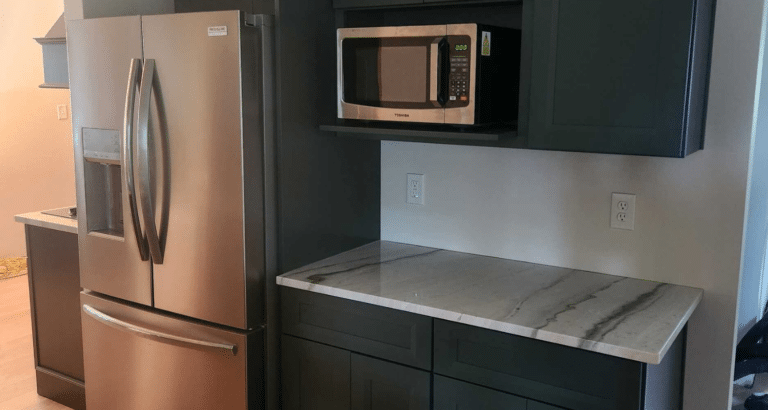
Kitchen remodels require alternative meal planning. Set up a temporary kitchen in another room before construction begins.
Include a microwave, coffee maker, and toaster oven. Add a small refrigerator if possible. Use paper plates and disposable utensils to avoid washing dishes in bathroom sinks.
Bathroom Alternatives
If your only bathroom renovation, plan ahead. Consider using a neighbor’s shower, joining a gym temporarily, or staying with family during weekends.
In homes with multiple bathrooms, designate one as completely off-limits to workers. Keep it stocked and reserved for family use only.
Protect Floors, Walls, and Valuables
Contractors should install plastic barriers between construction zones and living areas. Ensure barriers are fully sealed along floors and ceilings. Small gaps allow dust to spread.
Cover floors with drop cloths or plastic runners and secure them to prevent slipping. Stairs require extra protection due to heavy traffic.
Limit Dust and Debris
Construction dust spreads easily, especially during drywall work. Even with barriers, dust will travel throughout the home.
Change HVAC filters weekly during construction. Cover air vents in work zones with plastic and tape. Vacuum frequently in nearby living areas.
Designate a pair of shoes for construction zones only. Leave them at the entrance to the work area to prevent tracking debris through the house.
Prepare Your Family and Pets
Communicate Timeline Clearly
Hold a family meeting before construction begins. Explain how long the project is expected to take and which areas of the home will be affected. Showing plans helps everyone understand what is happening.
Set realistic expectations. The home will be noisy and messy. Friends may not be able to visit. Establish clear rules about staying away from construction zones to prevent accidents.
Set Realistic Expectations with Children
Children often struggle with disruption and change. Prepare them for noise, unfamiliar workers, and altered routines.
Create a visual countdown calendar showing project phases. Let children mark progress as days pass. Seeing progress helps them understand the disruption is temporary.
Create Safe Zones Away from Construction
Designate specific rooms as completely off-limits to workers. Children need spaces where they can relax without worrying about tools or strangers.
Stock these safe zones with toys, games, and entertainment. Make them comfortable retreats from the activity elsewhere in the home.
Pet Care Considerations
Construction is stressful for most pets. Loud noises, unfamiliar people, and open doors increase anxiety and escape risks.
Consider boarding pets during the loudest phases. If they remain home, create a quiet room away from construction. Use white noise to reduce stress from sudden sounds.
Stay Flexible: Emotional and Mental Prep
Accept Delays and Hiccups
Unexpected issues arise in every remodel. Inspectors may flag code violations. Materials may arrive late or damaged. Weather can delay exterior work. These issues are normal.
Build flexibility into expectations. If the timeline is six weeks, mentally prepare for eight. This mindset reduces frustration when delays occur.
Plan Breaks or Temporary Stays Away
Living in construction chaos is exhausting. Schedule short getaways or day trips to recharge.
If budget allows, consider staying elsewhere during the most disruptive phases. Demolition and drywall work generate the most dust and noise. A brief break during these stages can protect your sanity.
Practice Patience
Let go of the expectation of a spotless home. Dust will return hours after cleaning. View the mess as temporary evidence of progress.
Having workers in your home reduces privacy and disrupts routines. Acknowledge this mental strain and give yourself flexibility.
Plan meals and groceries ahead of time. Running errands after long construction days increases stress. Meal prep or delivery services help during intense phases.
Use Tools, Templates, and Checklists
Downloadable Planning Resources
Checklists keep projects organized. Create or download a remodeling preparation checklist covering each room and phase.
Break large tasks into smaller steps. Instead of writing “prepare kitchen,” list actions like empty cabinets, pack dishes, and disconnect appliances.
Use spreadsheets or simple apps to track progress. Checking off completed items provides momentum and reassurance.
Room-by-Room Planner
Create a detailed plan for each renovated space. Identify what needs protection, what must be moved, and what should be discarded.
Include photos, measurements, and current layouts. Document existing conditions so questions can be resolved quickly during construction.
Budget Tracking Tools
Track spending in real time using spreadsheets or apps. Include estimated costs, actual costs, and differences to identify problems early.
Tie payments to milestones. Never pay the full project cost upfront. Standard practice releases payment as work progresses and inspections pass.
At BGC, we provide detailed contracts and transparent pricing so clients always know what they are paying for and when payments are due.
Common Mistakes to Avoid
Under-Budgeting
Underestimating costs is one of the most common remodeling mistakes. Many budgets only account for visible upgrades and forget permits, disposal fees, and contingency funds.
Include all expenses in your budget. Permits, inspections, storage rentals, temporary housing, increased dining costs, and the critical 30% buffer all matter.
Poor Communication with Contractors
Assumptions cause problems. Do not assume your contractor understands your vision without clear confirmation.
Ask questions immediately when something looks wrong. Fixing home repair issues early costs far less than correcting completed work.
Schedule regular check-ins with your contractor. Short, frequent conversations prevent small concerns from becoming major setbacks.
Skipping Permit Checks
Never start work without required permits. Code violations discovered later must be corrected, even if completed work needs removal.
Unpermitted projects can be shut down by inspectors. Fines apply, and permits must still be obtained before work resumes.
Living Unprepared in Construction Chaos
Some homeowners believe they can endure remodeling without preparation. Most regret this decision within days.
Noise, dust, and disruption exceed expectations. Temporary living setups and protected spaces make the process manageable.
Frequently Asked Questions
What is the 30% rule in remodeling?
Add 30% to your estimated project cost as a contingency buffer. This covers unexpected expenses like hidden damage, code updates, or material price increases. Most remodels encounter surprises that require additional spending.
Is $100,000 enough to renovate a house?
It depends on your home size and renovation scope. In the Dayton area, $100,000 covers a complete kitchen and bathroom remodel in an average home. It might fund a partial whole-home update or full renovation of a small home. Get detailed quotes for your specific project.
In what order should you remodel a house?
Start with planning and design. Then handle demolition, followed by structural changes. Next comes mechanical systems like plumbing, electrical, and HVAC. After that, close up walls and install drywall. Finally, complete finish work like flooring, painting, and trim.
How do I prepare my home for a remodeling project?
Clear the construction area completely. Set up temporary living solutions for kitchens or bathrooms. Cover and protect adjacent spaces with plastic barriers. Remove valuables and create safe zones for family and pets. Stock supplies and plan meals ahead.
How to prepare a family for a renovation?
Communicate the timeline and set realistic expectations. Explain which areas will be off-limits and how routines will change. Create safe, quiet spaces away from construction. Consider temporary stays elsewhere during the most disruptive phases. Involve kids in age-appropriate decisions to build excitement.
How can I live in my house during a remodel?
Set up temporary versions of essential spaces. Create physical barriers with plastic sheeting to contain dust. Establish safe zones for family members. Plan simpler meals and lower your cleanliness standards temporarily. Schedule breaks away from home when possible.
What should I remove from my home before remodeling?
Remove all furniture possible from construction areas. Clear valuables, artwork, and electronics from adjacent rooms. Empty cabinets, closets, and drawers in spaces being renovated. Take down window treatments, light fixtures, and decorative items. Move important documents and photos to secure locations.
What are the biggest mistakes people make during renovation prep?
Underestimating the budget and timeline. Failing to clear spaces completely. Not setting up adequate temporary living solutions. Skipping permit applications. Choosing contractors based only on low bids. Assuming they can maintain normal life during major construction.
Do I need permits for remodeling?
Most electrical, plumbing, and structural work requires permits. Kitchen and bathroom remodels typically need them. Some cosmetic changes like painting or flooring don’t. Check with your local building department for specific requirements. Permit requirements vary by city and project scope.
How far in advance should I start preparing for a remodel?
Start planning three to six months ahead for major projects. This allows time to research contractors, finalize designs, secure financing, and obtain permits. Begin physical preparation like decluttering and packing two to three weeks before construction starts.