The hotel construction industry is experiencing significant growth and transformation. Guest expectations continue to rise. Technology is advancing rapidly. Sustainability is no longer optional.
According to Lodging Econometrics, the U.S. hotel construction pipeline reached an all-time high in 2024 with over 6,000 projects and 713,000 rooms. The industry expects 928 new hotels to open in 2026, representing a 1.8% increase in supply.
This growth reflects shifting traveler preferences and evolving construction methods. Property owners who understand these trends can build smarter, attract more guests, and remain competitive.
Whether you are planning a new hotel, considering major renovations, or exploring commercial property renovation options, these trends will shape your decisions.
Sustainability and Eco-Friendly Architecture
Environmental responsibility is driving hotel construction decisions in 2026. Seventy-five percent of global travelers now prioritize sustainable travel when choosing accommodations.
Hotels increasingly pursue LEED certification, WELL certification, and Green Globe standards. These certifications signal environmental responsibility and attract eco-conscious guests who value sustainable practices.
Energy Efficiency
Smart HVAC systems, LED lighting, and energy management platforms significantly reduce energy consumption. Hotels install occupancy sensors that automatically adjust temperature and lighting in unoccupied rooms.
Photovoltaic solar panels and geothermal energy systems reduce reliance on traditional power sources. Some properties now operate entirely on renewable energy, lowering long-term operating costs.
Water Conservation
Low-flow fixtures, rainwater harvesting systems, and wastewater treatment solutions significantly reduce water usage in hotel properties. Many progressive hotels now reuse treated wastewater for landscape irrigation and non-potable needs.
These systems are especially important in drought-prone regions where water resources are limited and costs continue to rise.
Sustainable Building Materials
Recycled steel, reclaimed wood, bamboo, and cork are replacing many traditional building materials. Locally sourced materials reduce transportation emissions and lower overall carbon footprints.
Materials with Environmental Product Declarations help projects qualify for sustainability certifications and appeal to environmentally conscious travelers who value transparency in construction practices.
Biophilic Design
Biophilic design integrates natural elements such as plants, daylight, and organic materials into hotel environments. This approach creates calming spaces that support guest wellness and comfort.
Hotels incorporating biophilic design often report higher guest satisfaction scores and longer average stays, directly linking design choices to revenue performance.
Modular and Prefabricated Construction
Off-site fabrication is changing how hotels are built. Modular construction involves manufacturing bathroom pods, guest room, or structural components in controlled factory environments before transporting them to the site.
This approach improves efficiency while reducing many of the challenges associated with traditional on-site construction.
Speed and Efficiency
Prefabrication can accelerate construction timelines by 30% to 50%. While modules are produced off-site, foundation and structural work continues simultaneously on-site.
This parallel construction process shortens overall project schedules and allows hotels to open faster, improving return on investment.
Quality Control
Factory construction environments provide better quality control than traditional job sites. Weather delays are eliminated, and inspections occur under consistent conditions.
Room consistency improves because modules are built using standardized processes and materials, reducing variability across guest rooms.
Cost Predictability
Fixed factory pricing improves budget predictability for hotel projects. Material waste decreases as factories optimize cutting and assembly processes.
Labor costs become more consistent when work shifts from unpredictable on-site crews to structured factory production lines.
Reduced Site Disruption
Reduced on-site construction activity lowers noise, dust, and traffic disruption. This benefit is especially valuable for urban hotel developments or renovations of occupied properties.
For businesses considering commercial space remodeling, modular approaches can minimize operational disruption.
Smart Technology Integration
Technology integration now begins during the design phase rather than after construction ends. Hotels must plan infrastructure that supports both current systems and future digital upgrades.
Early planning ensures properties remain competitive as guest expectations and technology standards continue to evolve.
Contactless Guest Services
Contactless guest services are now standard expectations in modern hotels. Digital check-in kiosks, mobile room keys, and automated concierge services reduce friction and improve convenience.
75% of Millennial and Gen Z guests prefer hotels that offer self-service technology. These systems require strong WiFi, dedicated power infrastructure, and sufficient network capacity planned during construction.
IoT and Smart Room Controls
Internet of Things devices allow hotels to control lighting, temperature, entertainment systems, and window treatments automatically. Some properties are testing voice-activated controls that respond to guest commands.
Smart sensors track energy usage, predict maintenance needs, and optimize room performance in real time, improving efficiency without sacrificing guest comfort.
Building Automation Systems
Integrated building management systems control HVAC, lighting, security, and energy distribution from centralized platforms. These systems provide real-time data across the entire property.
AI-driven software analyzes usage patterns and adjusts settings automatically to maximize efficiency. These platforms lower operating costs while enhancing guest comfort and satisfaction.
Infrastructure Planning
Hotels must plan infrastructure that supports both current and future technology needs. Reliable 5G connectivity, fiber optic networks, and adequate electrical capacity are now baseline requirements.
Outdated infrastructure limits the ability to adopt new systems later. Early planning prevents costly retrofits and ensures long-term flexibility as technology evolves.
Properties planning office renovations face similar technology infrastructure requirements.
Flexible and Multifunctional Spaces
Remote work and bleisure travel continue to change how guests use hotel spaces. Properties must design areas that serve multiple purposes throughout the day.
Flexible layouts allow hotels to adapt quickly to shifting guest needs while maximizing the value of every square foot.
Adaptive Lobbies
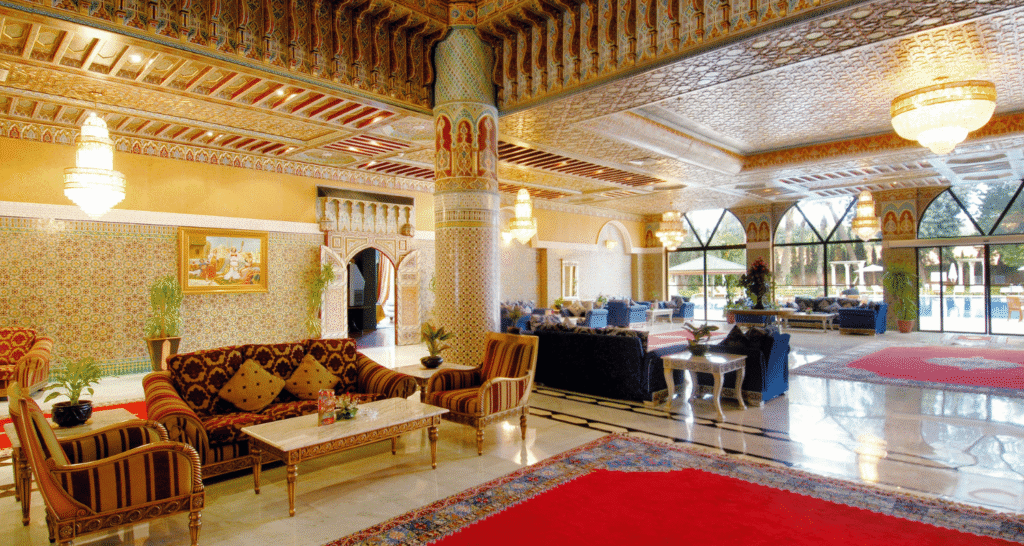
Modern hotel lobbies function as coworking spaces during the day and social venues at night. Flexible furniture arrangements support laptop work, informal meetings, and casual gatherings.
Power outlets, USB ports, and strong WiFi must be available throughout these spaces to support extended use by guests.
Multi-Purpose Guest Rooms
Guest rooms must now support both work and relaxation. Desks and work surfaces need to function well for video calls, laptop use, and extended stays.
Seating should accommodate productivity during the day and comfort at night. Some hotels use Murphy beds or convertible furniture to maximize usable space without increasing room size.
Meeting and Event Spaces
Meeting and event spaces must adapt quickly to different uses. Conference rooms often convert between classroom layouts, theater seating, and social configurations.
Modular walls allow hotels to create large venues for events or divide spaces for simultaneous meetings. This flexibility helps properties serve a wider range of group sizes and event types.
Businesses exploring corporate remodeling services can apply similar flexibility concepts to office environments.
Extended-Stay and Select-Service Expansion
Extended-stay brands account for 36% of hotel projects currently under construction. These properties appeal to remote workers, relocated employees, and budget-conscious travelers seeking longer stays.
Extended-stay and select-service models continue to gain traction as guests prioritize value, flexibility, and functional amenities over full-service offerings.
Extended-Stay Growth
The industry expects 363 new extended-stay hotels with 38,165 rooms to open in 2026. Demand increased during the pandemic and continues as remote work becomes more common.
These properties attract long-term guests by offering full kitchens, separate living areas, and weekly rates that provide better value for extended stays.
Select-Service Model
Select-service hotels focus on value by offering essential amenities while eliminating features many guests do not use. Typical offerings include fitness centers, business centers, and limited dining options.
By avoiding full-service restaurants and large banquet facilities, these properties control costs and allow guests to pay only for services they value.
Sixty-four percent of extended-stay projects fall within middle-tier brands, making this model accessible to a wide range of travelers.
Adaptive Reuse and Renovation Focus
Between 300,000 and 400,000 hotel rooms are expected to undergo renovation in 2026. In many markets, renovation activity now exceeds new hotel construction.
Property owners increasingly focus on modernizing existing buildings to remain competitive while controlling costs and shortening project timelines.
Historic Building Conversions
Older factories, office buildings, and warehouses are being converted into distinctive hotel properties. Structures built in the late 1800s and early 1900s offer architectural character that new construction cannot replicate.
These buildings often feature high ceilings, natural ventilation, and original details that create memorable guest experiences. Adaptive reuse also supports sustainability goals by repurposing existing structures instead of consuming resources for new construction.
Renovation Cycles
Major hotel brands typically refresh properties every five to seven years. These updates include new furniture, technology upgrades, bathroom renovations, and aesthetic improvements.
Between major renovations, owners often add meeting spaces, restaurants, bars, or recreational amenities to stay competitive and respond to changing guest expectations.
Technology and Efficiency Updates
Renovations increasingly incorporate smart room controls, energy-efficient HVAC systems, LED lighting, and mobile key access. These updates improve guest satisfaction while lowering operating costs.
Properties using renovation and fitout solutions can modernize without the expense of complete reconstruction.
Mixed-Use Development Integration
Hotels are increasingly integrated with residential, retail, and office spaces. These mixed-use developments create live-work-play environments that maximize land use and long-term value.
By combining multiple property types, developers can diversify revenue streams while creating destinations that attract both travelers and local residents.
Urban Integration
Mixed-use developments generate foot traffic that benefits every tenant. Hotel guests gain easy access to restaurants, shops, and entertainment without leaving the property.
Retail and office tenants benefit from a steady flow of hotel guests seeking dining, services, and convenience, strengthening the overall ecosystem of the development.
Maximizing Property Value
High land costs make single-use developments less practical in many urban markets. Mixed-use projects allow developers to generate multiple revenue streams from the same footprint.
This approach spreads financial risk across residential, hospitality, retail, and office uses while improving long-term asset performance.
Community Connections
Hotels within mixed-use developments feel connected to surrounding neighborhoods rather than isolated from them. This integration appeals to travelers seeking authentic, local experiences during their stay.
Developers working on commercial interior design projects increasingly plan for mixed-use integration.
Health and Wellness Amenities
Health and wellness amenities are becoming core features in hotel construction. The wellness tourism market is expected to reach $1.1 trillion by 2026, growing at more than 10% annually since 2019.
Hotels that prioritize wellness attract guests who value health, recovery, and balance as part of their travel experience.
Advanced Fitness Facilities
Hotels are investing in advanced fitness facilities that rival private gyms. Many now include Peloton bikes, TRX systems, and dedicated spaces for personal training.
Some properties offer group fitness classes and guided wellness programming, turning fitness amenities into revenue-generating features rather than basic add-ons.
Spa and Treatment Centers
High-end hotels are expanding spa and treatment offerings beyond traditional services. Many properties now include infrared saunas, hyperbaric chambers, cryotherapy, IV therapy, and medical-grade aesthetic treatments once limited to specialty clinics.
These amenities position hotels as wellness destinations rather than simple accommodations, increasing both length of stay and per-guest spending.
Wellness-Focused Design
Wellness-focused design supports guest health through the built environment. Air purification systems, circadian lighting, soundproofing, and ergonomic furniture improve comfort and recovery.
Food and beverage programs increasingly emphasize whole foods and dietary accommodations, creating spaces where guests feel healthier than they do at home.
Group Travel Accommodations
Multi-generational family vacations and corporate retreats are driving demand for larger suites and diverse amenities. Eighty-one percent of travelers prefer destinations that offer activities for all age groups.
Hotels must accommodate children and adults simultaneously while meeting very different expectations for space, privacy, and entertainment.
Diverse Amenity Zones
Hotels are designing distinct amenity zones to serve different guest groups at the same time. Adult-only pools, lounges, and bars operate alongside family-friendly splash pads, play areas, and game rooms.
This separation allows guests to enjoy their preferred experiences without conflict, improving satisfaction across all age groups.
Large-Format Suites
Large-format suites are becoming more common as group travel increases. Four-bedroom condos and connecting suite layouts accommodate extended families and group stays comfortably.
Full kitchens, multiple bathrooms, and shared living areas make longer stays more convenient while reducing the need for guests to book multiple rooms.
Flexible Event Spaces
Hotels increasingly host weddings, corporate meetings, and family reunions within the same property. Event spaces must adapt quickly to different group sizes and formats.
Businesses planning tenant improvements can learn from hospitality’s multi-use space strategies.
Regional Construction Trends
The Southeast continues to lead hotel construction activity. Population growth, strong tourism demand, and favorable business climates drive development across the region.
Lower construction costs and faster permitting processes make these markets attractive to developers. Florida, Georgia, and the Carolinas see especially high levels of investment.
Urban markets focus more heavily on mixed-use development and technology integration, while resort markets prioritize wellness amenities and sustainable design.
Construction Industry Challenges
High interest rates have slowed some hotel project starts. Lodging Econometrics expects activity to accelerate as rates decline.
Labor shortages continue to impact schedules and delivery timelines. Contractors that self-perform major construction scopes maintain better control over quality and scheduling.
Material costs remain higher than pre-pandemic levels. While supply chain disruptions have improved, delays still occur. Rising consumer debt may also affect discretionary travel demand.
Competition from Airbnb and VRBO pushes hotels to differentiate through distinctive design, elevated amenities, and consistent service quality.
The 80/20 Principle in Hotel Design
The 80/20 principle suggests that 80% of hotel revenue typically comes from 20% of guests. This concept guides how owners prioritize design investments.
Hotels concentrate resources on high-impact areas such as lobbies, premium suites, and revenue-generating amenities. Less emphasis is placed on spaces guests rarely use.
Understanding which guest segments drive the most revenue helps owners allocate construction budgets more effectively.
Properties planning commercial space upgrade projects should identify high-value areas deserving priority investment.
What This Means for Commercial Construction
Hotel construction trends increasingly influence commercial construction as a whole. Technology integration, sustainability requirements, and flexible space design now apply across many property types.
At Builders Group Construction, our team brings 75-plus years of combined experience to commercial and residential projects across Dayton and surrounding areas.
Whether you need retail space remodeling or complete property transformation, our insured team delivers guaranteed workmanship.
Taking Action on These Trends
Understanding industry trends is only the first step. Successful properties act on them early and intentionally.
Technology infrastructure should be planned during design phases. Sustainability must be built into material selection and system choices. Flexible layouts should be incorporated from the beginning rather than added later.
Hotels that succeed in 2026 will focus every decision on guest experience and operational efficiency, balancing innovation with long-term performance.
Contact Builders Group Construction at 937-800-4409 or visit bgcnow.us to discuss your commercial construction or renovation project. Our experienced team serves Dayton and 20-plus surrounding communities with transparent pricing and 110% client satisfaction.
FAQs
What are the top 5 trends in the hotel industry?
The top trends include sustainability and eco-friendly design, smart technology integration, flexible multifunctional spaces, modular prefabricated construction, and renovation-focused development over new construction.
What is the current trend in the construction industry?
Construction increasingly focuses on labor efficiency through self-performing work, technology adoption such as drones and BIM, sustainable building methods, and modular construction to control costs and timelines.
What is the 80/20 rule in hotels?
The 80/20 rule states that 80% of revenue typically comes from 20% of guests. Hotels use this principle to prioritize investment in spaces and amenities that serve their most profitable guest segments.
What is the trend today among architects and developers of hotels and resorts?
Architects and developers focus on experience-driven design that reflects local culture. Adaptive reuse of historic buildings, mixed-use development, and biophilic design are central to this approach.
What are the key sustainability trends in hotel construction?
Key trends include energy-efficient systems such as smart HVAC and solar panels, water conservation through low-flow fixtures and treatment systems, sustainable building materials, and green certifications like LEED.