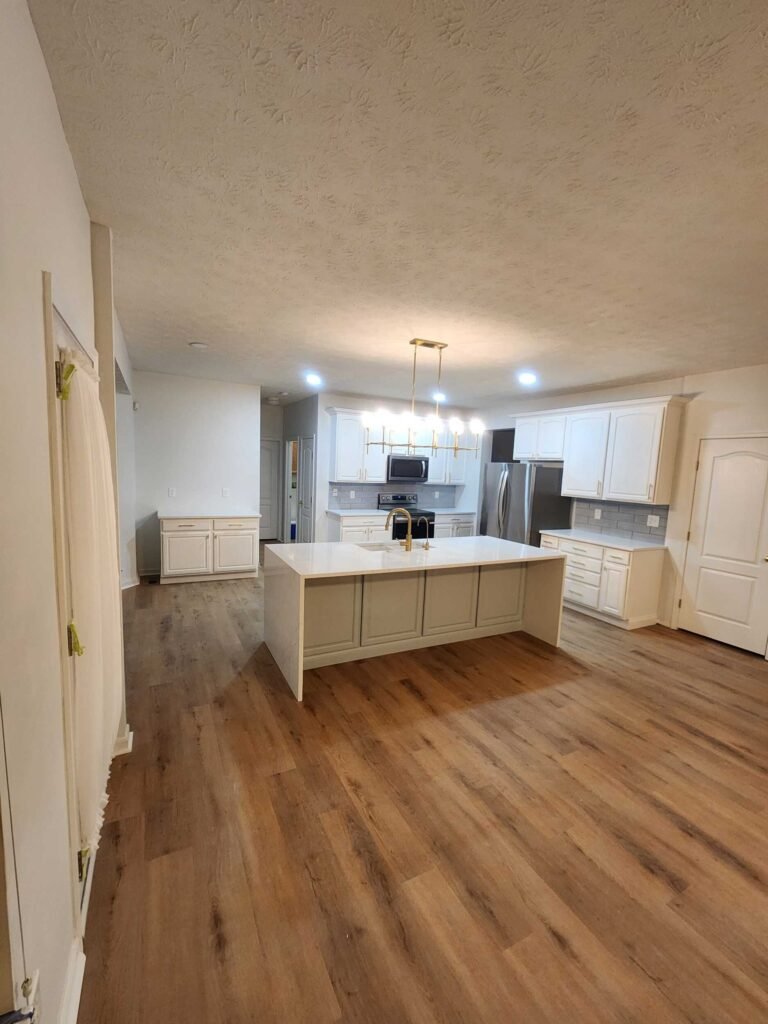
When you lease a commercial space, it rarely looks the way you need it to. You might need new walls, better lighting, updated electrical, or a completely different floor plan. That’s where a tenant improvement (TI) contractor comes in.
Hiring the wrong contractor can cost you time, money, and serious headaches. This guide walks you through each step so you make the right choice from the start.
What Is a Tenant Improvement Contractor?
A tenant improvement contractor is a commercial general contractor who specializes in updating leased spaces. They handle interior build-outs for offices, retail stores, clinics, and restaurants.
Their work includes framing walls, installing flooring, upgrading electrical and HVAC systems, and managing permits. They also coordinate subcontractors and handle inspections.
If you are planning any kind of commercial build-out, you need someone with specific experience in commercial build-outs and additions, not just general home remodeling.
Step 1: Review Your Lease and Talk to Your Landlord
Before you hire anyone, read your lease carefully. Many leases include a work letter that explains what improvements are allowed, who is responsible for costs, and what approvals you need.
Some landlords offer a tenant improvement allowance (TIA). This is money they contribute toward your build-out costs. Knowing this upfront affects your budget and your contractor selection.
You also need written landlord approval before work begins. Some landlords have preferred contractor lists. Others require specific insurance levels. Skipping this step can put your lease at risk.
Step 2: Define Your Project Scope
You cannot get accurate bids without a clear scope of work. Create a detailed plan that covers floor plans and layout changes, electrical and plumbing needs, HVAC requirements, flooring, ceilings, lighting specs, and any ADA accessibility requirements.
The more detail you provide, the more accurate your bids will be. Vague scopes lead to change orders and higher costs later.
For larger projects, consider working with an architect or designer before reaching out to contractors. Proper construction drawings help every contractor bid on the same exact project.
Step 3: Find Qualified TI Contractors
Start by asking your landlord or commercial real estate broker for referrals. They often know contractors who have worked in the building before and understand local permit requirements.
You can also check with industry groups like the Associated General Contractors of America (AGC) or the Associated Builders and Contractors (ABC). These organizations list licensed and vetted commercial contractors.
Whether you need an office renovation or a full tenant improvement build-out, working with a contractor who knows local codes makes a real difference in how smoothly your project runs.
Step 4: Verify Licensing, Insurance, and Credentials
This step protects you from serious risk. Always ask for a valid state contractor license for commercial work, general liability insurance, workers compensation coverage, and proof that they are bonded.
You can verify Ohio contractor licenses through the Ohio Construction Industry Licensing Board. The U.S. Small Business Administration also provides guidance on hiring contractors for commercial projects.
Never skip this step. If a worker gets hurt on your site and the contractor lacks proper insurance, you could be held responsible.

Step 5: Get at Least Three Bids
Always get a minimum of three written bids before making a decision. A good bid includes a line-by-line cost breakdown, a project timeline with milestones, separate labor and material costs, and a clear list of what is and isn’t included.
Avoid any contractor who gives you a vague lump-sum number with no breakdown. That often leads to disputes and cost overruns later.
Comparing bids also helps you spot anything unusual. If one bid is far lower than the others, ask why. It may mean they missed something in the scope or plan to use cheaper materials.
Step 6: Check References and Past Projects
Ask each contractor for at least three references from similar commercial TI projects. Call those references and ask direct questions. Did they finish on time? Did the final cost match the estimate? How did they handle problems when they came up? Would you hire them again?
Also ask to see photos or visit completed projects. A contractor with strong experience in commercial space remodeling will have a solid portfolio to show you.
Step 7: Evaluate Communication and Project Management
A contractor who builds well but communicates poorly will make your project stressful. During your initial meetings, pay attention to how they respond to your questions.
Are they clear and organized? Do they explain the process in simple terms? Do they provide a dedicated project manager?
Good project management means fewer surprises. Your contractor should give you regular updates, flag issues early, and keep all parties informed throughout the build. Many businesses overlook this when planning a commercial project and end up paying for it later.
Step 8: Sign a Detailed Contract
Never start work without a written contract. A solid commercial construction contract should include the full scope of work, a payment schedule tied to milestones, who is responsible for permits, how change orders are handled, warranty terms, and any delay penalties.
Avoid paying a large amount upfront. Payments tied to completed milestones protect you if something goes wrong mid-project.
Step 9: Understand Permits and Inspections
Most commercial tenant improvement projects require building permits. Depending on the scope, you may also need fire safety approvals, ADA compliance reviews, and city inspections.
Ask your contractor who will pull the permits and who is responsible for managing inspections. In most cases, the general contractor handles this. But it should be written clearly in your contract.
Skipping permits is not worth the risk. Unpermitted work can cause problems when you try to sell or renew your lease. If you want to understand what a successful build-out process looks like from start to finish, the key steps to a successful commercial build-out covers exactly that.
Common Mistakes to Avoid
Choosing based on price alone is one of the biggest mistakes tenants make. The lowest bid is often low for a reason.
Other common mistakes include not reviewing lease requirements before hiring, failing to verify insurance, starting work without a written contract, and choosing a contractor without commercial TI experience.
Knowing what red flags to watch for when hiring a contractor before you sign anything can save you from costly problems down the line.
Signs You Found the Right Contractor
A good TI contractor has a strong portfolio of commercial build-outs. They communicate clearly and consistently. Their pricing is transparent with no hidden surprises. They are properly licensed, insured, and bonded. They provide solid references from similar projects.
BGC Now works with commercial clients on corporate remodeling and retail space build-outs throughout the Dayton region. Businesses that invest in the right contractor from the start see better results, and commercial renovations that boost business performance shows exactly how that plays out in real projects.
Frequently Asked Questions
What is tenant improvement construction?
It’s the process of customizing a leased commercial space to fit a tenant’s specific needs. This includes walls, flooring, lighting, electrical, HVAC, and other interior changes.
Do I need landlord approval to hire a contractor?
Yes. Most commercial leases require written approval before any construction begins. Check your lease work letter before hiring anyone.
How many bids should I get for a TI project?
Get at least three bids. This gives you a fair comparison of pricing, timelines, and overall contractor quality.
What is a TI allowance?
It’s a set amount of money your landlord agrees to contribute toward your build-out costs. The amount varies based on your lease negotiation.
How long does a commercial build-out take?
It depends on project size and complexity. A simple office refresh may take a few weeks. A full build-out from shell condition can take three to six months or longer.
Who pulls permits in a TI project?
In most cases, the general contractor pulls the permits. This should be confirmed and written into your contract before work starts.
What is included in tenant improvements?
Typical improvements include partition walls, flooring, ceilings, lighting, electrical upgrades, plumbing, HVAC modifications, and finishes like paint and trim.
Can I hire my own contractor for a leased space?
Yes, in most cases. But your landlord may need to approve the contractor and the scope of work. Always check your lease first.
What is the difference between TI and a renovation?
A renovation usually refers to updating an existing space you own. Tenant improvement refers specifically to changes made to a leased commercial space, often with landlord involvement.
How do I avoid contractor fraud?
Verify licenses and insurance before signing anything. Never pay the full amount upfront. Get everything in writing. Check references from past commercial projects.
Get Started With Your TI Project
Hiring the right tenant improvement contractor takes some work upfront. But it protects your budget, your lease, and your timeline.
Review your lease. Define your scope. Check credentials. Compare bids. Sign a solid contract. Follow these steps and you’ll be in a much better position from day one.
Ready to talk about your commercial project? Contact Builders Group Construction to get a detailed bid from experienced tenant improvement contractors serving Dayton and the surrounding areas.