Most home buyers spend hundreds of thousands of dollars on a house, then hesitate over a few hundred dollars for an inspection. That’s backward, honestly. A home inspection is one of the cheapest ways to protect a much bigger purchase, and skipping it can cost far more later.
A typical home inspection runs between $300 and $500, though the final price shifts based on the size of the home, its age, and where it sits. Buyers usually pay for it, though sellers sometimes order one ahead of listing a home. Either way, the report tells you what shape the house is really in before you sign anything.
This guide breaks down what a home inspection actually covers, what drives the price up or down, who pays, and what to expect once the report lands in your inbox. A remodeling team like Builders Group Construction often ends up working from these same reports once repair items turn into full projects.
What Is a Home Inspection?
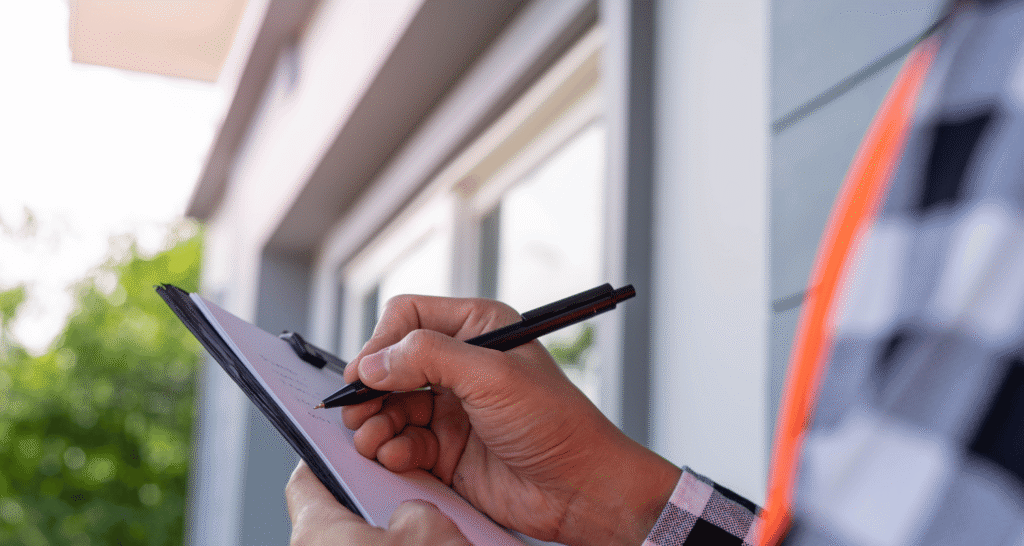
A home inspection is a visual check of a house done by a trained inspector before a sale closes. The goal is simple: find problems before you own them.
Inspectors look at the roof, foundation, plumbing, electrical systems, HVAC, and the general structure of the home. They also check windows, doors, floors, and the exterior for damage or wear. Nothing gets torn open during a standard inspection. It’s a visual review, not a demolition.
If you are early in the home buying process, it helps to also look at what to expect during a home remodel so you know how inspection findings often turn into future project plans.
How Much Does a Home Inspection Cost?
Most home inspections cost between $300 and $500, though small homes can come in lower and large homes can run higher.
| Home Size | Average Cost |
| Under 1,000 sq ft | $250 to $350 |
| 1,000 to 2,000 sq ft | $300 to $450 |
| 2,000 to 3,000 sq ft | $400 to $550 |
| 3,000 to 4,000 sq ft | $500 to $700 |
| 4,000+ sq ft | $700 and up |
Bigger homes take longer to inspect, so the price climbs with square footage.
What Factors Affect Home Inspection Cost?
Several things push the price up or down. Home size and age matter most. Older homes often take longer because inspectors check for outdated wiring, old plumbing, and past repairs. Location matters too, since prices vary by city and state. Property type, how easy the home is to access, and any add-on services also change the total cost. A hard-to-reach crawl space or a detached garage can add a bit more to the final bill.
What Is Included in a Standard Home Inspection?
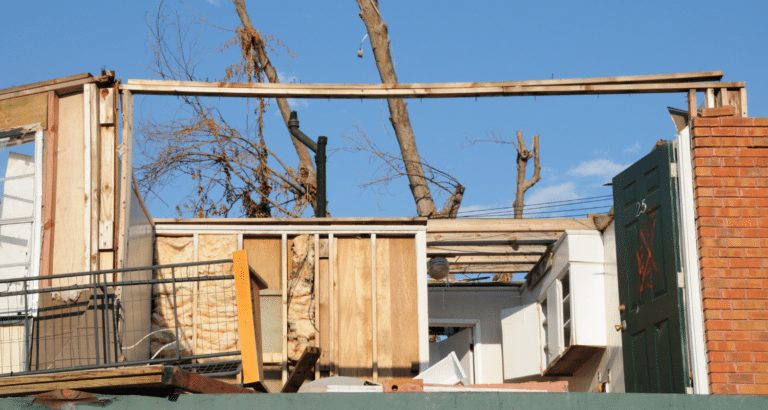
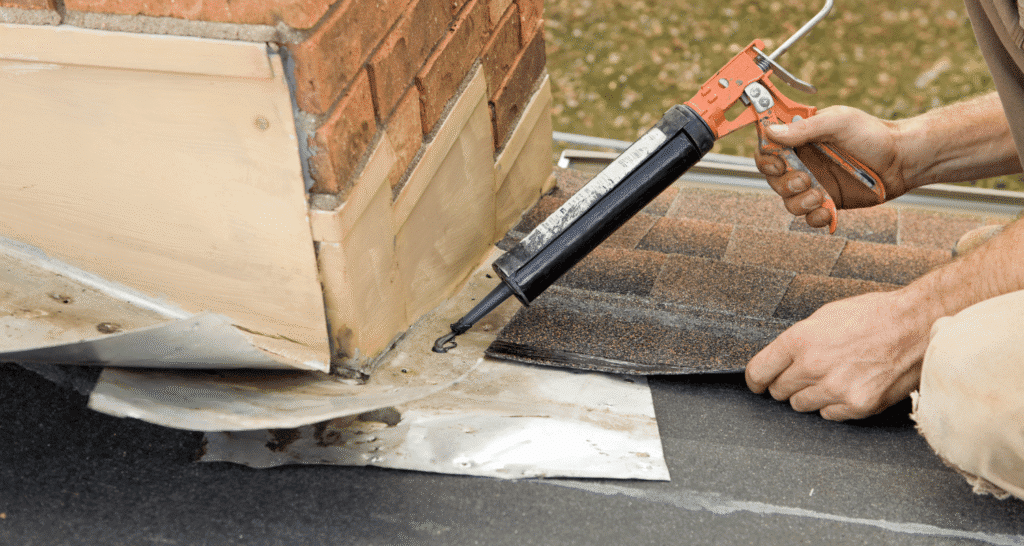
Roof: condition, flashing, gutters, signs of leaks, and general lifespan left on the current roof. In areas that see frequent storms, storm damage restoration work often traces back to issues first noted on an inspection report.
Foundation: cracks, settlement, drainage issues, and any signs of structural movement. Standing water near the foundation is a common finding, and waterproofing tips for your basement covers a few ways homeowners fix that after an inspection flags it.
Electrical: the main panel, outlets, visible wiring, and any obvious safety hazards. Homeowners updating an older panel sometimes add smart home technology at the same time, since a lot of newer devices need updated wiring anyway.
Plumbing: pipes, fixtures, the water heater, and any leaks or drainage problems.
HVAC: heating and cooling equipment, ventilation, filter condition, and the age of the system.
Interior: walls, floors, doors, windows, ceilings, and stairs.
Exterior: siding, the driveway, decks, the garage, walkways, and how the ground slopes near the house.
Additional Home Inspection Services and Costs
A standard inspection does not always cover everything. Some issues need a specialist.
| Inspection Type | Typical Cost |
| Radon Testing | $100 to $250 |
| Mold Inspection | $250 to $600 |
| Termite Inspection | $75 to $200 |
| Sewer Scope | $150 to $400 |
| Chimney Inspection | $200 to $500 |
| Pool Inspection | $125 to $300 |
| Well Inspection | $300 to $600 |
| Septic Inspection | $300 to $800 |
| Lead Paint Testing | $250 to $700 |
| Asbestos Inspection | $250 to $800 |
Older homes, homes with wells or septic systems, and homes in areas prone to radon or termites often need one or more of these add ons.
Home Inspection Cost by Property Type
Single family homes usually take two to three hours and fall in the standard pricing range based on size.
Condos often cost less to inspect since the inspector only checks the unit itself, not shared building systems covered by the HOA.
Townhouses sit somewhere in between, since shared walls and common areas can add a little extra time.
Multi family properties, like duplexes or triplexes, cost more since each unit needs its own review.
New construction homes may need a pre drywall inspection, a final inspection before closing, and sometimes a warranty inspection near the end of the first year. Builders working on a home build and addition usually plan for these inspection stages as part of the schedule.
Home Inspection Cost by State
Prices shift by state due to labor costs and local market rates. Ohio, Texas, and North Carolina tend to sit closer to the national average, and cities like Hamilton and Centerville usually fall in that same range. California, New York, and New Jersey often run higher due to cost of living. Florida prices can climb a bit due to added checks for wind mitigation and termites. Pennsylvania usually falls near the middle of the range. It is always worth getting a quote for your specific area rather than relying only on national averages.
Who Pays for a Home Inspection?
In most sales, the buyer pays for the inspection, since it protects their side of the deal. In a slower market, some sellers order their own inspection ahead of listing to fix problems early and avoid surprises during negotiation. With new construction, the builder sometimes covers part of the cost, though buyers often hire their own inspector anyway for an unbiased report. Either way, the inspection protects both sides by putting the real condition of the home on paper.
Home Inspection Cost by Financing Type
Conventional loans usually don’t require an inspection, though lenders strongly recommend one. FHA and VA loans require an appraisal, which is different from an inspection, but buyers using these loans still benefit from ordering one separately. USDA loans follow a similar pattern. Cash buyers aren’t required to get an inspection at all, but skipping one on a cash deal removes a layer of protection many buyers still want.
Veterans working through financing details may also want to look at how VA construction loans work, since inspection timing can affect loan approval steps. Comparing VA construction loan lenders and knowing what credit score you need for a VA loan both help set expectations before scheduling an inspection.
Home Inspection vs Home Appraisal
| Feature | Home Inspection | Home Appraisal |
| Purpose | Evaluate condition | Determine value |
| Required | Usually optional | Usually lender required |
| Ordered By | Buyer | Lender |
| Cost | Lower | Similar |
| Report | Detailed condition report | Valuation only |
These two are often confused, but they serve different purposes. One tells you what shape the home is in. The other tells the lender what the home is worth.
Are Home Inspections Worth the Cost?
Yes, in almost every case. An inspection can catch hidden problems before they become your problem, give you room to negotiate repairs or a lower price, and help you plan for future maintenance. Skipping one to save a few hundred dollars can backfire fast if a major issue shows up after closing.
Common Problems Found During Home Inspections
Roof damage, foundation cracks, water intrusion, and outdated electrical panels show up often. So do plumbing leaks, aging HVAC systems, mold, pest damage, poor drainage around the foundation, and unsafe stairs or railings. Water intrusion findings often connect to the same issues covered under storm damage restoration in Centerville, especially in homes with older roofing. None of these are automatic deal breakers, but they all affect negotiations and future repair costs.
How to Save Money on a Home Inspection
Bundling services, like combining a termite check with the main inspection, often saves money compared to booking separately. Comparing a few local inspectors before choosing one helps too. Booking early avoids rush fees, and skipping add ons you do not actually need keeps the bill lower. Asking for package pricing on multiple services can also bring the total down. If repair costs from the report end up large, the pros and cons of financing your home construction project becomes a separate decision to think through on its own.
How to Choose a Home Inspector
Look for a licensed inspector with proper insurance and a few years of experience. Ask for a sample report before hiring, since this shows how thorough their work actually is. Online reviews and membership in a recognized inspection association are also good signs. Before hiring, ask how long the inspection will take, what is included, and whether add on services cost extra. Many of the same red flags to watch for when hiring a contractor apply just as well when picking an inspector.
What Happens After the Home Inspection?
Once the report arrives, go through it closely and separate small issues from serious ones. From there, you can negotiate repairs with the seller, ask for a credit at closing, or in serious cases, walk away from the deal entirely. Many buyers also use the report to plan future maintenance and budget for repairs after they move in. If repair items point toward larger renovation work down the road, the best time to renovate your home is worth thinking about before committing to a full project.
Frequently Asked Questions
How much does a home inspection cost?
Most inspections cost between $300 and $500, though price shifts based on home size and location.
Is a home inspection worth the money?
Yes. It can catch problems that cost far more than the inspection fee if left unnoticed.
Who pays for the home inspection?
Buyers usually pay, though sellers sometimes order their own ahead of listing.
How long does a home inspection take?
Most single family homes take two to three hours, depending on size and condition.
What does a home inspection include?
It covers the roof, foundation, electrical, plumbing, HVAC, interior, and exterior of the home.
How much does a home inspection cost by state?
Prices vary, with higher cost states like California and New York often running above the national average.
Do new homes need inspections?
Yes. New construction can still have issues, so a pre drywall and final inspection are both worth doing.
Can a home fail an inspection?
Not exactly. Inspections do not pass or fail a home, but serious findings can affect financing or negotiations.
Should I attend the home inspection?
It helps. Walking through with the inspector gives you a better understanding of any issues found.
What are the biggest red flags during a home inspection?
Foundation cracks, roof damage, outdated electrical panels, and signs of water intrusion are the most serious.