A high-end kitchen remodel goes far beyond new cabinets and countertops. It combines premium materials, custom cabinetry, professional grade appliances, and a layout designed around how you actually cook and live. This guide breaks down what defines a luxury kitchen, what it costs, and how to plan the project well.
Builders Group Construction works with homeowners across Dayton on kitchen remodeling projects of every scope, and good planning is where the best results start.
What Defines a High-End Kitchen Remodel?
Custom cabinetry is built specifically for your kitchen, your storage needs, and your style. Semi-custom offers flexibility at a lower cost but relies on standard sizing. A true luxury kitchen usually leans toward custom or heavily modified semi-custom cabinetry.
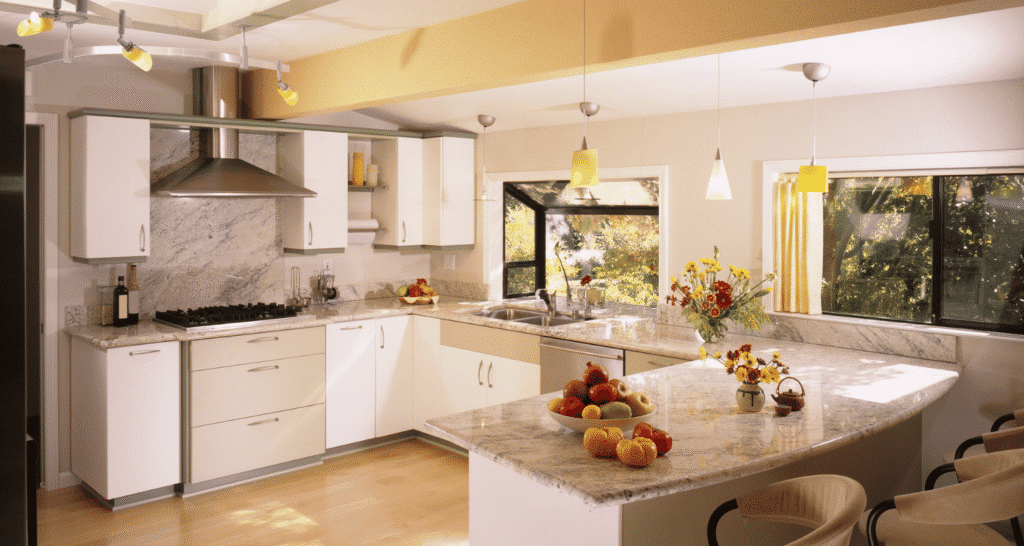
The best luxury kitchens balance how they look with how they work. A stunning island that blocks the path between the stove and sink is a design failure, not a luxury feature.
Timeless choices matter more here than anywhere else. Because the investment is larger, trends that look dated in five years cost more to fix. Classic materials and quality craftsmanship age well.
High-End Kitchen Remodel Cost Breakdown
Most high-end remodels run between $70,000 and $250,000 or more depending on size and scope.
Where the Budget Goes
Cabinetry typically accounts for 30 to 40 percent of the total. This is the biggest cost category because custom work involves design, materials, and skilled labor.
Appliances make up 20 to 30 percent. Premium brands cost significantly more, and integrated refrigeration adds cost compared to standalone units.
Countertops account for roughly 10 to 15 percent. Natural stone slabs cost more than engineered options, and cost rises with kitchen size and cut complexity.
Labor and design fees cover demolition, installation, and the design process itself. Structural changes and custom millwork add to this category.
What Influences Pricing
Kitchen size is the most obvious factor. A larger footprint means more cabinetry, countertop material, and flooring. Layout complexity matters too. Moving plumbing or electrical, removing walls, or changing the room’s footprint adds cost beyond materials.
Build in a contingency of at least 10 to 15 percent. Older homes often reveal surprises once walls and floors open up. The pros and cons of financing your home construction project is worth reading as you plan funding.
Luxury Kitchen Design Principles
The kitchen work triangle, the relationship between the sink, stove, and refrigerator, remains useful even in large kitchens. The goal is minimizing unnecessary steps between these zones while leaving room for multiple cooks.
Open concept layouts connect the kitchen to living and dining spaces. This works best when the kitchen still has clear visual definition, whether through a ceiling treatment, flooring change, or an island marking the transition.
Symmetry creates calm. Matching upper cabinets on either side of a range or evenly spaced pendants over an island contribute to a balanced feel.
Zoning the kitchen into prep, cook, and clean areas helps multiple people use the space without conflict. Each zone, prep near the refrigerator, cooking around the range, and cleanup around the sink and dishwasher, functions independently while staying connected.
Premium Materials for Luxury Kitchens
Countertops
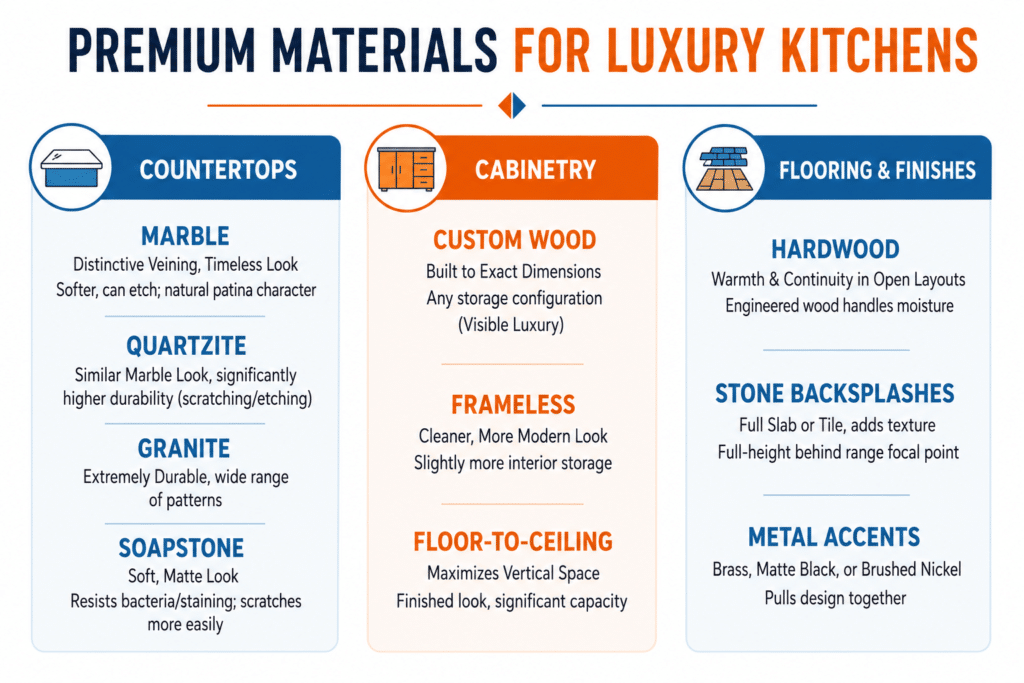
Marble remains highly desired for its distinctive veining and timeless look. It is softer than other stone and can etch without sealing, though many homeowners see the natural patina as part of its character.
Quartzite offers a similar look to marble with significantly better durability against scratching and etching.
Granite is extremely durable and available in a wide range of patterns. Soapstone has a soft, matte look and naturally resists bacteria and staining, though it scratches more easily.
Cabinetry
Custom wood cabinetry is built to your exact dimensions and can incorporate any storage configuration you need. This is where luxury kitchens often differ most visibly from standard remodels.
Frameless cabinets offer slightly more interior storage since there is no face frame blocking the opening, and they tend to look cleaner and more modern.
Floor-to-ceiling storage maximizes vertical space that standard kitchens often waste, creating a finished look along with significant added capacity.
Flooring and Finishes
Hardwood flooring brings warmth and creates continuity with adjacent living spaces in open layouts. Engineered hardwood handles moisture better than solid wood while looking similar.
Stone backsplashes, whether a full slab or tile, add texture and tie countertop materials into the wall. A full-height slab behind the range is a common focal point.
Metal accents in brass, matte black, or brushed nickel pull the design together when used consistently throughout the space.
High-End Kitchen Appliances
Cooking Appliances
Wolf ranges are known for precise temperature control and performance. Viking offers a similar professional grade experience with different styling. La Cornue sits at the very top, often handcrafted and customizable, functioning as a statement piece as much as a cooking tool.
Refrigeration and Storage
Sub-Zero integrated refrigeration blends into cabinetry rather than standing out as an appliance, with panels matching your cabinets covering the doors.
Wine columns are built-in refrigerated units designed for proper temperature and humidity control, often serving as a visual feature near a bar or dining space.
Smart Kitchen Features
Built-in espresso machines plumbed directly into the water line remove the need for a countertop appliance. Smart ovens can be controlled remotely and adjust automatically, while smart lighting adapts based on time of day or activity.
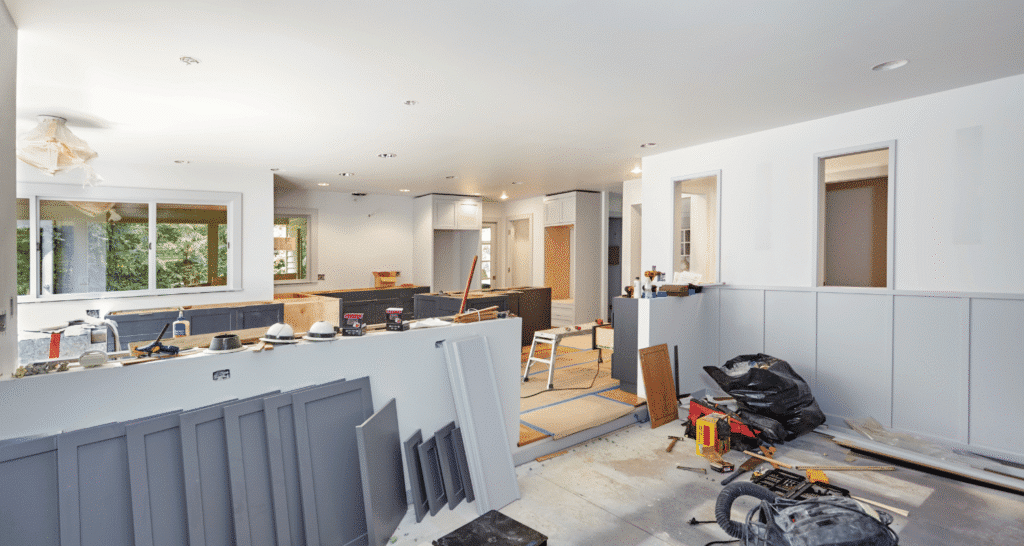
Kitchen Layout and Space Planning
The kitchen island is often the centerpiece, but sizing matters. An island needs at least 36 inches of clearance on all sides for comfortable movement and to allow built-in appliances to open fully.
The work triangle still applies even with multiple cooks. The goal is efficient movement between primary work zones without crossing paths constantly.
Pantry integration, whether a walk-in butler’s pantry or a large built-in cabinet, keeps everyday items accessible while reducing countertop clutter. This is one of the features homeowners most often wish they had more of.
Appliance placement should consider both function and flow. The dishwasher near the sink, the microwave at a comfortable height, and a refrigerator door that does not block a walkway are details that matter more than they seem during planning.
Luxury Kitchen Storage Solutions
Appliance garages hide small appliances behind a door or roll-up panel, keeping counters clear while keeping items accessible.
A walk-in butler’s pantry provides dedicated space for food storage and serving items separate from the main kitchen. This is one of the most requested features in high-end remodels because it keeps the main kitchen visually clean.
Deep drawer systems for pots and pans are far more functional than traditional shelved cabinets, bringing contents to you instead of requiring a reach into the back.
Hidden storage designs, including toe-kick drawers and pull-out spice racks in narrow gaps, capture space that would otherwise go unused.
Lighting Design for Luxury Kitchens
A layered approach combines several light types to keep the kitchen functional and appealing at any time of day.
Task lighting illuminates work surfaces, including the island, sink, and main counters. Pendant lighting over an island adds a design element while also serving as task lighting for that area.
Under-cabinet lighting illuminates countertops without glare and adds a soft glow in the evening. Ambient and accent lighting, including recessed fixtures and lighting inside glass-front cabinets, round out the overall atmosphere.
High-End Kitchen Remodel Timeline
The design phase typically takes two to six weeks, finalizing layout, materials, and cabinetry design.
Planning and approvals can take two to eight weeks depending on local permitting and whether structural changes need additional review.
Construction is the longest stage, running eight to sixteen weeks or more. This covers demolition, structural work, plumbing and electrical updates, cabinetry, countertop installation, and flooring.
Installation and finishing covers appliances, lighting, hardware, and remaining trim. Understanding how long it takes to renovate a house helps set realistic expectations for the full project.
Is a Luxury Kitchen Remodel Worth It?
For most homeowners, yes. The kitchen is consistently one of the most influential rooms in a home’s value and buyer appeal. A high-end remodel can recover a strong portion of its cost at resale, particularly where buyers expect updated kitchens.
Beyond resale, the daily functional improvement affects how a household lives and gathers every day. Premium materials and appliances, properly maintained, last significantly longer than budget alternatives, meaning fewer replacements over time.
Common Mistakes to Avoid
Over-trending designs can leave a kitchen feeling dated within a few years. Trends fade, but the cost of a luxury remodel does not.
Poor layout planning leads to a beautiful kitchen that is frustrating to cook in. Narrow walkways, an island blocking traffic, or poorly placed appliances all create daily friction.
Ignoring storage needs results in cluttered countertops no matter how much was spent on materials. Plan storage around how you actually use the kitchen.
Underestimating the budget is one of the most common issues in large remodels. Build in a contingency and prioritize what matters most if costs need adjusting.
Luxury Kitchen Design Inspiration
Modern luxury kitchens favor clean lines, minimal hardware, and one or two standout features like a slab backsplash or statement range.
Transitional designs blend traditional cabinetry with modern fixtures, creating a look that feels current without being trend-dependent.
Minimalist high-end kitchens hide everything non-essential through appliance garages, integrated refrigeration, and handleless cabinetry.
For more on current directions, home remodeling trends and kitchen remodeling trends cover what is shaping kitchen design now.
Frequently Asked Questions
How much does a high-end kitchen remodel cost?
Most run between $70,000 and $250,000 or more, depending on size, materials, appliances, and structural changes.
What is considered a luxury kitchen?
One combining custom or heavily customized cabinetry, professional grade appliances, premium stone surfaces, layered lighting, and a layout built around how the homeowner cooks and entertains.
Which appliances are best for high-end kitchens?
Wolf and Viking are popular for cooking performance. Sub-Zero is the standard for integrated refrigeration. La Cornue sits at the very top for a custom statement range.
Is marble better than quartzite?
Marble offers a more classic look but is softer and prone to etching. Quartzite offers a similar appearance with significantly better durability.
How long does a kitchen remodel take?
Typically three to six months from design through completion, including planning, approvals, construction, and final installation.
Start Planning Your High-End Kitchen Remodel
A high-end kitchen remodel is a significant investment, but planned well, it transforms how your home looks and feels every day. Builders Group Construction works with homeowners throughout Dayton on kitchen remodels of every scope. Contact us today to start planning a kitchen built around how you actually live.