One size does not fit all when it comes to commercial space design. A restaurant needs completely different features than a law office. A retail store has different requirements than a medical clinic. The businesses that understand this create spaces that work better, attract more customers, and support their teams effectively.
Smart commercial design goes beyond making a space look good. It improves how your business operates, how customers experience your brand, and ultimately your bottom line. Industry-specific design considers the unique needs of your business type and creates solutions that actually solve problems.
At Builders Group Construction, we design and build commercial spaces for different industries across the region. With 75+ years of combined team experience, we know what works for each business type. Here is how to customize commercial spaces based on your industry.
Why Industry-Specific Design Matters
Every industry has unique operational needs. Restaurants need efficient kitchen workflows. Salons need private treatment areas. Retail stores need product displays that drive sales. Offices need spaces that support collaboration.
Generic design ignores these differences. It creates spaces that look fine but do not function well for your specific business. Industry-specific design considers how your team works, how customers interact with your space, and what features drive your business success.
The right design improves efficiency, enhances customer experience, strengthens brand identity, and increases employee productivity. These benefits directly impact your profitability.
Restaurant and Cafe Design That Works
Restaurants and cafes need design that balances atmosphere with functionality. Your dining area creates the experience. Your kitchen needs to support efficient food preparation and service.
Lighting and Ambiance: Lighting sets the mood. Warm, adjustable lighting creates ambiance while ensuring customers can see their food properly. Avoid harsh overhead lights that feel institutional. In 2026, we are seeing a shift toward “layered lighting,” using smart-controlled pendants and wall washes that adapt to the time of day.
Seating Comfort and Strategy: Seating comfort matters more than many restaurant owners realize. Uncomfortable chairs encourage quick turnover but hurt customer satisfaction. Balance seating comfort with your service style and target dining duration.
Kitchen Workflow and Modern Layouts: Kitchen workflow is critical. Your prep areas, cooking stations, and plating zones should flow logically. Poor kitchen layout slows service and frustrates staff.
The “Open Island” Trend: Many modern Dayton eateries are moving toward central kitchen islands that the dining room wraps around, creating transparency and a community experience for the guests.
Customer Flow Management: Customer flow management prevents bottlenecks. Plan clear paths from entrance to seating to restrooms. Make sure servers can move efficiently without disrupting diners.
Color Themes: Color themes affect appetite and mood. Warm tones like reds, oranges, and yellows stimulate appetite. Earth tones create relaxed atmospheres. Choose colors that match your concept and target customers.
Hybrid Flexibility: Modern restaurants are now designed with “invisible flexibility,” such as sliding walls that allow a section of the dining room to pivot from a public space to a private event zone or daytime workspace.
Our business space remodeling services help restaurants create spaces that serve customers efficiently while maintaining the right atmosphere.
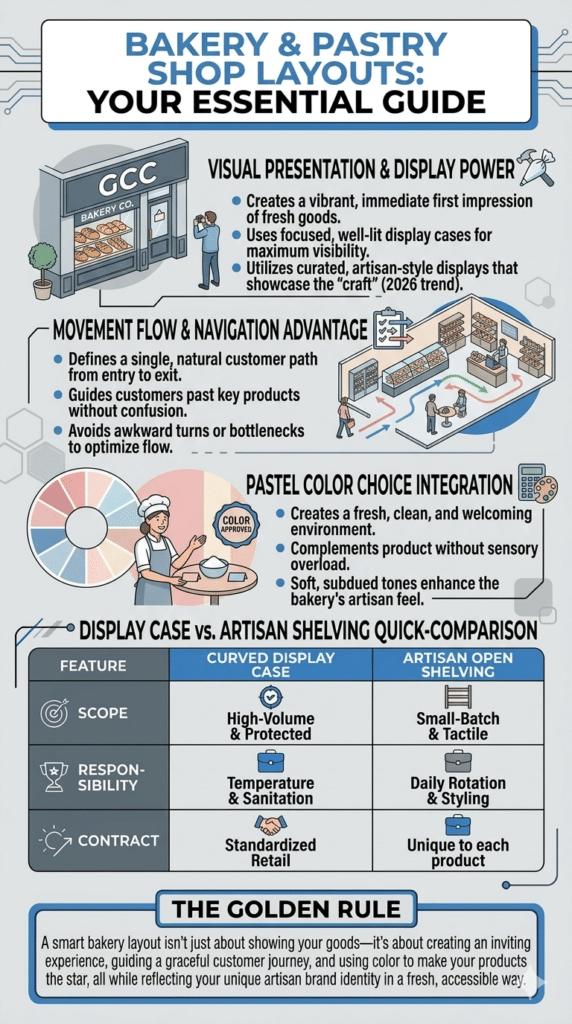
Bakery and Pastry Shop Layouts
Bakeries thrive on sensory appeal and immediate product visibility.
- Visual Presentation: Customers should see your baked goods immediately upon entering. Display cases should be well-lit and positioned to draw the eye. Artisan-style displays that showcase the “craft” are particularly effective for 2026.
- Movement Flow: Your layout should guide people naturally from the entrance to the display and then to the checkout. Avoid configurations that confuse or force awkward navigation.
- Color Choices: Pastel palettes such as: soft pinks, blues, and creams, create a fresh, clean environment. These tones complement the product without overwhelming the customer’s senses.
Beauty Salon and Spa Interiors
Salons and spas require a delicate balance of high-function workspace and client relaxation.
- Privacy and Comfort: Treatment areas should feel secluded even in open floor plans. Use partitions, curtains, or strategic room dividers.
- Staff Organization: Stylists need well-organized stations with proper storage for tools and products. Cluttered workspaces look unprofessional and slow down service.
- True-Tone Lighting: Use lighting that flatters the client and shows hair or skin color accurately. High-CRI fixtures are now a business essential for ensuring clients love their results and for taking high-quality photos for social media.
- Calming Tones: Soft grays, blues, and greens promote relaxation. Avoid overly vibrant colors that energize rather than calm.
Retail Store Design Strategies
Retail design is about guiding the customer experience. Your layout should encourage exploration while making products easy to find.
Product display optimization puts bestsellers and high-margin items in prime locations. Eye-level placement gets the most attention. Use endcaps and featured displays strategically.
Customer journey mapping plans the path shoppers take through your store. Place essentials toward the back to encourage browsing. Create clear sight lines so customers can orient themselves easily.
Promotional signage draws attention to sales and new items. Keep signage clear and consistent with your brand. Too many signs create visual clutter.
Interactive shopping experiences increase engagement and sales. Trial areas for cosmetics, fitting rooms for clothing, or demo stations for electronics let customers interact with products before buying.
Lighting highlights products and creates atmosphere. Bright, focused lighting on merchandise draws attention. Softer ambient lighting creates comfortable shopping environments.
Our design-build remodel approach works for both residential and commercial projects, ensuring cohesive design and efficient execution.
Office and Workplace Design
Modern offices need to support different work styles. Include private spaces for focused work, collaboration areas for teamwork, and casual zones for informal meetings.
Ergonomic furniture prevents physical strain and improves productivity. Adjustable desks, supportive chairs, and proper monitor placement reduce fatigue and discomfort.
Branding integration reinforces company culture. Use brand colors in accent walls, incorporate logos tastefully, and display company values through design choices.
Productivity-focused layouts minimize distractions while supporting workflow. Open plans work for collaborative teams. Private offices suit roles requiring concentration. Most businesses need both.
Natural lighting improves mood and reduces eye strain. Position workstations near windows when possible. Use skylights or light wells in interior spaces.
Meeting zones need proper acoustics and technology. Include video conferencing capabilities, writable surfaces, and comfortable seating. Private meeting rooms prevent noise from disturbing others.
Break areas matter more than many businesses realize. Comfortable break rooms give employees space to recharge, improving overall productivity and satisfaction.
Mixed-Use Commercial Space Planning
Mixed-use spaces combine different functions in one building. These might include retail on the ground floor with offices or apartments above. Smart design makes all uses work together.
Modular and flexible layouts adapt to changing needs. Movable partitions, adjustable systems, and multi-purpose areas extend the useful life of your space.
Smart technology integration includes sensors that adjust lighting and climate based on occupancy. Automated systems reduce energy costs and improve comfort.
Transportation access affects success significantly. Consider parking, public transit connections, bike storage, and pedestrian access during planning.
Biophilic design elements like plants, natural materials, and water features improve wellbeing. These features are especially valuable in urban mixed-use developments.
Sustainability features like energy-efficient systems and renewable materials appeal to environmentally conscious tenants and customers. They also reduce operating costs.
Accessibility features benefit everyone, not just people with disabilities. Ramps, elevators, and wide doorways make spaces more usable for all visitors.
Our build-outs and additions expertise covers complex projects including mixed-use developments.
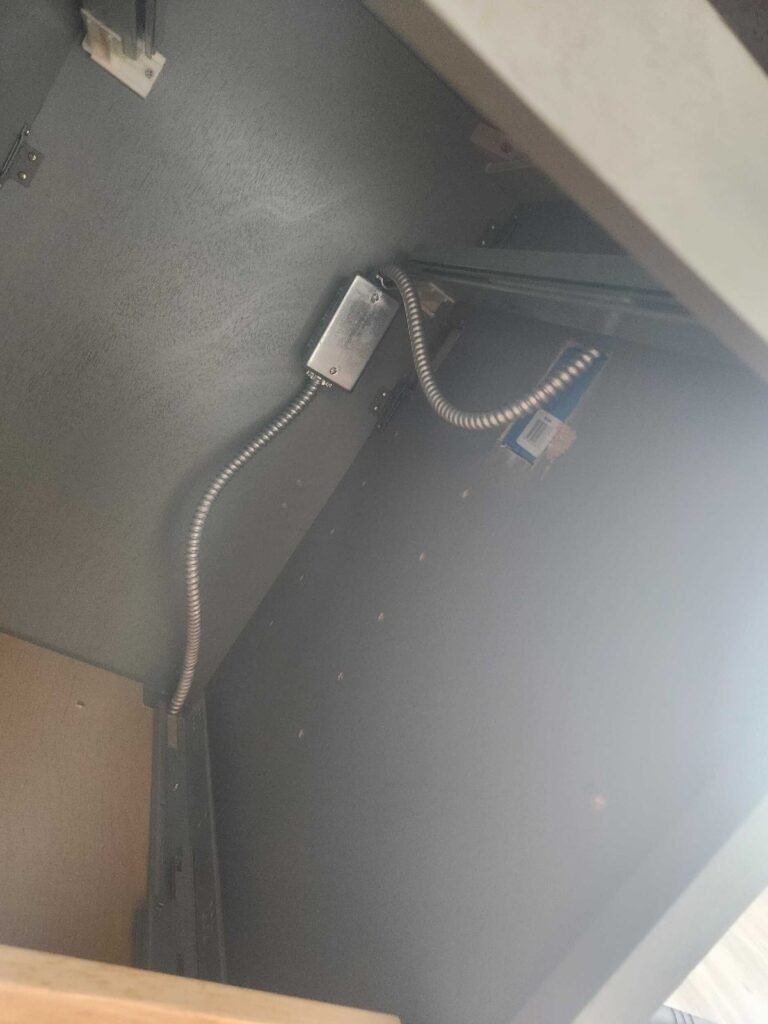
Technology Integration Across Industries
Modern commercial spaces need smart technology. These systems improve efficiency, reduce costs, and enhance user experience.
Smart sensors adjust lighting and temperature based on occupancy and time of day. This saves energy while maintaining comfort.
HVAC automation optimizes climate control throughout the day. Programmable systems reduce energy use during off-hours without sacrificing comfort when needed.
Contactless access systems improve security and convenience. Keycard or smartphone entry eliminates traditional keys and provides usage data.
Data-driven space management helps businesses understand how spaces are used. Sensors track which areas get heavy use and which sit empty, informing future layout decisions.
Digital displays for menus, directories, or promotions are easier to update than printed materials. They also create more dynamic, modern environments.
Benefits of Industry-Specific Commercial Design
Customized design delivers measurable benefits across industries.
Customer experience improves when spaces are designed around how customers actually use them. Better experiences lead to longer visits, higher satisfaction, and more repeat business.
Operational workflow gets smoother when layouts support how your team works. This reduces wasted time, prevents bottlenecks, and improves service quality.
Brand image strengthens when your physical space reflects your brand values and positioning. Consistent branding across all touchpoints builds recognition and trust.
Business efficiency increases through better space utilization, reduced energy costs, and improved employee productivity. These benefits directly impact profitability.
Employee satisfaction rises in well-designed workplaces. Comfortable, functional environments reduce turnover and attract better talent.
Frequently Asked Questions
Why is industry-specific commercial design important?
Each industry has unique operational needs and customer expectations. A generic design ignores these differences, creating spaces that look acceptable but do not function optimally for your team. Industry specific design solves real business problems, like kitchen bottle-necks or poor retail sight lines, and supports how you actually operate.
How does commercial interior design improve customer experience?
Thoughtful design guides customer movement, creates appropriate atmospheres, showcases products effectively, and ensures comfort. These elements affect how long customers stay, how they perceive your brand, and whether they return. Good design removes friction from the customer experience.
What is mixed-use commercial space design?
Mixed-use design combines different functions in one development, like retail, office, and residential spaces in the same building. It requires careful planning to ensure all uses work together without conflicts while sharing infrastructure efficiently and creating vibrant, multi-purpose environments.
How does lighting affect commercial business performance?
Lighting influences mood, perception, and behavior. Proper lighting highlights products, creates ambiance, reduces eye strain, and affects how long people stay in a space. Energy-efficient lighting also reduces operating costs significantly over time.
What technologies are used in modern commercial interiors?
Smart sensors, automated HVAC and lighting systems, contactless access controls, digital displays, data analytics for space utilization, and integrated security systems are common. These technologies improve efficiency, reduce costs, and enhance user experiences across all commercial applications.
Create a Space That Works for Your Business
Your commercial space should support your specific business needs, not force you to adapt to a generic layout. Industry-specific design creates environments that work better, feel better, and perform better.
Builders Group Construction brings decades of experience designing commercial spaces for different industries. We’re fully insured, IBC-compliant, and locally operated in the Dayton area. Our proven 12-step process ensures your project stays on budget and on schedule.
Whether you need a restaurant build-out, office renovation, retail remodel, or mixed-use development, our team understands what works for your industry. Ready to create a commercial space designed for your business? Call us at 937-800-4409 or schedule your free consultation today. Let’s build a space that drives real business results.