Building or remodeling a home gives you a genuine opportunity to make choices that benefit both your family and the environment. Sustainable building materials reduce energy costs, improve indoor air quality, and frequently outlast traditional options by decades.
Many Dayton homeowners want to build responsibly but feel unsure where to begin. The choices can seem overwhelming. Eco-friendly materials sound expensive. And most of the information out there focuses on other climates without addressing Ohio’s specific conditions.
The reality is simpler than you might expect. Sustainable building works well in Dayton’s climate. Many green materials cost the same as conventional options, and others pay for themselves through long-term energy savings. Making smart choices now can reduce utility bills for decades while creating healthier, more comfortable homes.
At Builders Group Construction, we’ve helped Dayton homeowners choose materials that perform well in Ohio’s climate for decades. Our 75 years of combined experience includes projects using both traditional and sustainable approaches. We understand what works in real Dayton homes.
What Are Sustainable Building Materials?
Sustainable building materials reduce environmental impact while performing as well or better than traditional options.
These materials share common characteristics: they come from renewable or recycled sources, require less energy to produce, and improve home energy efficiency. Because they last longer, they also significantly reduce the need for frequent replacements.
Low embodied carbon matters significantly. This measures total emissions from extraction, manufacturing, and transportation. Materials produced locally or from recycled content typically have lower embodied carbon.
Durability extends material life. Products that last 50 years create less waste than those needing replacement every 10 years.
Indoor air quality improves with low or zero VOC materials. Volatile organic compounds in paints, adhesives, and finishes release chemicals that affect health. Sustainable alternatives eliminate these emissions.
Why Sustainable Materials Matter in Dayton
Sustainable building materials reduce environmental impact while performing as well or better than conventional alternatives.
These materials share several defining characteristics: they come from renewable or recycled sources, require less energy to produce, and improve the overall energy efficiency of a home. Because they tend to last longer, they also significantly reduce the need for frequent replacements over time.
Low embodied carbon is an important factor. This measures the total emissions generated from extraction, manufacturing, and transportation. Materials produced locally or from recycled content typically carry a much lower embodied carbon footprint.
Durability extends a material’s useful life. A product that lasts 50 years creates considerably less waste than one needing replacement every 10 years.
Indoor air quality improves significantly with low or zero VOC materials. Volatile organic compounds found in many conventional paints, adhesives, and finishes release chemicals that can affect your health over time. Sustainable alternatives eliminate these emissions entirely.
Best Sustainable Insulation Materials
Insulation is the single most impactful factor for energy savings in any home, and the right choice here pays dividends every single month.
Cellulose insulation, made from recycled paper products, provides excellent thermal performance while making good use of waste materials. It is generally more affordable than many alternatives and installs easily in both walls and attics.
Mineral wool is another strong option. It resists fire, moisture, and pests, and performs exceptionally well through Dayton’s humid summers without losing its effectiveness. Its natural sound-dampening qualities also make it ideal for shared walls or areas where noise is a concern.
Structural insulated panels (SIPs) combine insulation and structure into a single product. These panels create an extremely tight building envelope that dramatically reduces energy use. While upfront costs are higher, they tend to pay for themselves through significantly lower utility bills over time.
Proper insulation is more important than almost any other single material choice, as it directly affects your comfort and costs every day you live in the home.
Sustainable Structural Materials
The structural frame of your home determines its overall longevity and long-term performance.
Reclaimed lumber is an excellent way to reduce waste while adding genuine character to a space. Old-growth wood salvaged from demolished buildings often surpasses new lumber in both strength and stability, and brings a unique history to any new project.
Engineered wood products use raw materials more efficiently. Laminated beams and oriented strand board (OSB) create strong structural components using smaller-diameter trees, which reduces pressure on old-growth forests.
For foundations and accents, locally sourced stone is a durable and beautiful choice. Ohio limestone and sandstone have supported buildings in this region for centuries. Our design-build remodel approach carefully evaluates the right structural materials for each project, ensuring that sustainable choices are matched to the specific demands of every home we work on.
Eco-Friendly Exterior Materials
Exterior materials face Ohio’s most demanding weather conditions, so durability and performance are non-negotiable.
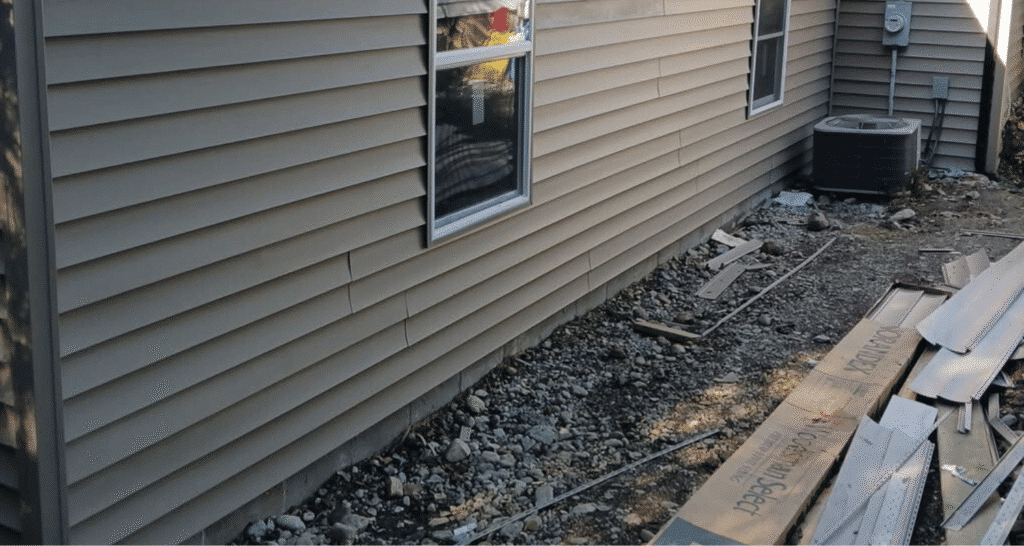
Fiber cement siding combines durability with very low maintenance requirements. It resists rot, insects, and fire while lasting 50 years or more. The higher upfront cost is offset by minimal upkeep and rare replacement needs over the life of the home.
Engineered wood siding uses materials efficiently while delivering attractive finishes. Modern versions resist moisture considerably better than older products and perform well in Dayton’s climate when installed correctly.
Metal roofing lasts 50 to 70 years compared to roughly 20 years for standard asphalt shingles. It reflects summer heat, helping to reduce cooling costs, and recycled content options offer sustainability without any sacrifice in performance.
Locally sourced stone veneer adds character while using regional materials. It provides excellent durability with minimal environmental impact from transportation.
Sustainable Interior Materials and Finishes
Your interior choices directly affect both your health and your everyday experience in the home.
Bamboo flooring is a highly renewable option because it grows so rapidly. It matches the durability of traditional hardwood while often costing less, and modern bamboo products are engineered to resist moisture and denting better than many standard woods.
Cork flooring is another sustainable favorite, offering a comfortable, cushioned feel underfoot while naturally resisting moisture. It works especially well in kitchens and bathrooms. Since cork is harvested from the bark without harming the tree, it is a genuinely renewable resource.
For walls, low-VOC paints are essential. They improve indoor air quality immediately by eliminating toxic off-gassing, and they typically cost no more than conventional paints. Every Dayton home remodel should use these as the standard throughout the interior.
For surfaces, recycled glass countertops offer a unique and highly durable alternative to granite. Made from waste materials, they perform just as well while giving kitchens a distinctive, conversation-starting look.
Our kitchen remodeling services incorporate sustainable materials that handle daily family use.
Energy-Efficient Windows and Doors
Windows and doors are some of the biggest culprits for energy loss in a home.
Double or triple-pane windows reduce heat transfer dramatically. Low-E coatings reflect heat while allowing light through. These features cut heating and cooling costs substantially in Dayton’s climate.
Fiberglass frames are often a better choice than vinyl because they are more durable and offer better insulation. They don’t expand and contract as much during Ohio’s temperature swings, which means they maintain a tighter seal over the decades.
However, the product is only half the battle; proper installation is just as critical. Even the highest-quality window will perform poorly if there are gaps or air leaks. Professional installation ensures you actually get the performance you paid for.
Locally Sourced Materials in Dayton
Local sourcing reduces environmental impact while supporting the community.
Ohio quarries provide beautiful limestone and sandstone that only have to travel a short distance to reach Dayton job sites. This drastically cuts down on the emissions caused by heavy shipping.
We also have a wealth of reclaimed materials right here in our area. Salvaging wood, brick, and architectural elements from local demolitions keeps high-quality products out of landfills and gives them a second life.
Many other building products are manufactured within just a few hours of Dayton. Choosing regional options over those shipped from overseas significantly reduces your home’s carbon footprint. Plus, local materials are specifically designed to handle Ohio’s weather, whereas products from other regions can sometimes fail when exposed to our humidity and freeze-thaw cycles.
Cost of Sustainable Building Materials
Initial costs vary widely but tell only part of the story.
Basic eco upgrades like low-VOC paint and improved insulation add $5,000 to $15,000 to projects. These changes pay back quickly through energy savings and health benefits.
Mid-range sustainable builds using quality green materials run $15,000 to $50,000 more than conventional approaches. Better insulation, efficient windows, and durable finishes deliver long-term value.
High-end green construction reaches $50,000 and up for comprehensive sustainable systems. Solar panels, geothermal heating, and premium materials create homes with minimal operating costs.
Life-cycle costs matter more than upfront prices. Calculate total ownership costs over 20 to 30 years. Energy savings, reduced maintenance, and longer material life often make sustainable choices cheaper overall.
Similar financial planning applies to our bathroom remodeling projects using durable, efficient materials.
How to Choose the Right Materials
Several factors should guide your selection of materials.
Climate suitability is the most important factor. Materials that are popular in Arizona often fail in Ohio. You need products specifically rated to handle high humidity and frequent freeze-thaw cycles.
Budget constraints are a reality for every project. We recommend prioritizing high-impact choices like insulation and windows first, then adding other sustainable materials as your budget allows.
You should also look at durability and maintenance. A material that lasts 50 years is much more affordable in the long run than one that needs to be replaced every 15 years. Choosing low-maintenance options will also save you significant time and money over the decades.
Sustainable Remodeling vs New Construction
Both remodeling and new construction offer great opportunities for sustainability.
Remodeling preserves existing structures, avoiding demolition waste. Upgrading insulation, windows, and systems in existing homes often delivers excellent results. Our room renovation services incorporate sustainable upgrades throughout Dayton homes.
New construction, on the other hand, allows you to optimize everything from the ground up. You can plan the home’s orientation, install a comprehensive insulation system, and integrate high-efficiency technology right from the start.
In many cases, the most sustainable choice is to improve an existing building rather than tearing it down and starting over.
Common Mistakes to Avoid
Both remodeling and new construction offer strong opportunities to build more sustainably.
Remodeling preserves existing structures and avoids demolition waste. Upgrading insulation, windows, and systems in an existing home often delivers excellent results with less total environmental impact. Our room renovation services incorporate sustainable upgrades throughout Dayton homes.
New construction allows you to optimize everything from the ground up. You can plan the home’s orientation, install a comprehensive insulation system, and integrate high-efficiency technology from the very first step.
In many situations, the most sustainable choice is to improve an existing building rather than demolishing it and starting over from scratch.
Does Sustainable Building Increase Home Value?
Sustainable features are a major draw for modern buyers and can significantly increase your home’s value.
Lower utility bills are a universal selling point. When a home is more affordable to operate, it naturally commands a higher sale price. Buyers are also looking for modern features like efficient HVAC systems, high-quality insulation, and low-maintenance exteriors that reduce their future workload.
As energy costs continue to rise and environmental awareness grows, these features are becoming standard expectations. Investing in sustainability today makes your home much more competitive in the market tomorrow.
Frequently Asked Questions
What are the most sustainable building materials?
Reclaimed wood, recycled steel, cellulose insulation, bamboo flooring, fiber cement siding, and low-VOC paints rank among the most sustainable. The best choices depend on application and climate.
Are eco-friendly materials more expensive?
Some cost more upfront but save money long-term through energy savings and durability. Others like cellulose insulation and low-VOC paint cost the same as conventional options. Life-cycle costs often favor sustainable materials.
What insulation is best for Ohio homes?
Cellulose and mineral wool both perform excellently in Ohio’s climate. They handle humidity well, provide good R-values, and resist pests. Proper installation matters as much as material choice.
Does green building save money long-term?
Yes, through lower energy bills, reduced maintenance, and longer material life. Well-insulated homes with efficient systems use 30% to 50% less energy than conventional construction. Savings compound over decades.
Can I use sustainable materials in remodeling?
Absolutely. Remodeling offers excellent opportunities for sustainable upgrades. Replace old insulation, install efficient windows, choose low-VOC finishes, and select durable materials. Many improvements deliver immediate benefits.
Build Sustainably in Dayton
Sustainable building creates homes that perform better, cost less to operate, and provide healthier living environments. Smart material choices benefit families and the environment for decades.
Builders Group Construction brings experience with both traditional and sustainable approaches to every Dayton project. We’re fully insured, IBC-compliant, and backed by three Angi Super Service Awards.
Our veteran-led team understands which materials work in Ohio’s climate. You won’t just talk to a salesperson. You’ll meet the team actually building your home or remodel.
Ready to explore sustainable building options? Call us at 937-800-4409 or schedule your free consultation today. Let’s create a home that serves your family and the planet.