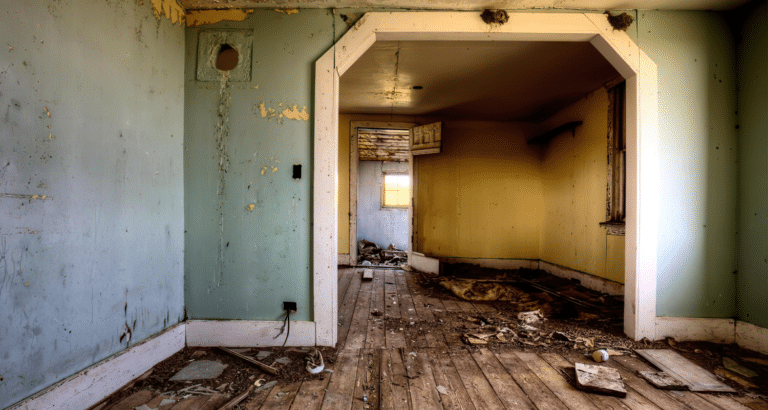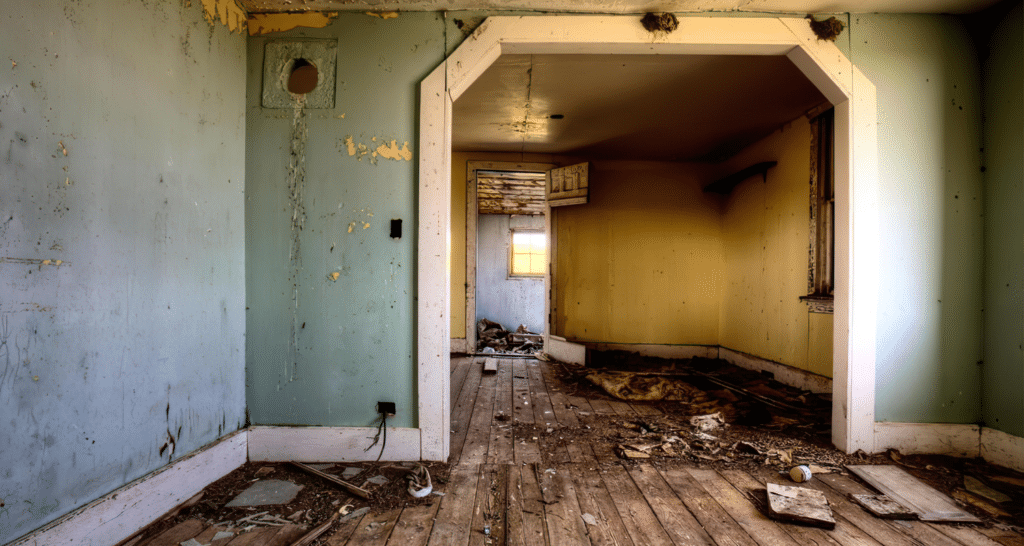
A house fire leaves behind more than burned materials. It usually leaves structural damage, smoke and soot throughout the home, heat damage, water from firefighting efforts, moisture problems, damaged electrical and plumbing systems, a contaminated HVAC system, and damaged personal belongings. Understanding the full path from that first night to moving back in helps homeowners make better decisions at every stage.
The general path runs through safety, assessment, insurance, mitigation, cleaning, restoration or reconstruction, permits, rebuilding, inspection, and finally move in. This guide walks through each stage in order.
Builders Group Construction, works with homeowners on the reconstruction side of this process, picking up once restoration and mitigation work has stabilized the property.
What Should You Do Immediately After a House Fire?
Wait for the Property to Be Declared Safe
Do not enter a fire damaged structure until authorities or qualified professionals confirm it is safe. Potential hazards include structural instability, electrical hazards, gas leaks, smoke and soot contamination, water and slip hazards, damaged ceilings or roofs, and other hazardous materials that may not be obvious from the outside.
Contact Your Insurance Company
Starting the claim process early matters, since documentation and timing both affect how smoothly the claim moves forward.
Protect the Property From Further Damage
Board up services, roof tarping, weather protection, property security, and temporary protection over any openings help prevent additional damage while the property waits for a full assessment. This stage often overlaps with the same emergency response used for storm damage restoration, since a damaged roof needs the same kind of temporary protection regardless of whether fire or a storm caused the opening.
Step 1: Secure and Stabilize the Property
Emergency stabilization comes before major restoration work begins. This includes board up work, roof tarping, temporary weather protection, securing doors and windows, preventing unauthorized access, and protecting exposed areas from rain and other elements. The purpose of this stage is simply to prevent additional damage while the property undergoes a detailed assessment.
Step 2: Assess Fire, Smoke, Soot and Water Damage
A professional assessment should look beyond the areas that were visibly burned.
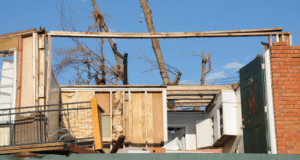
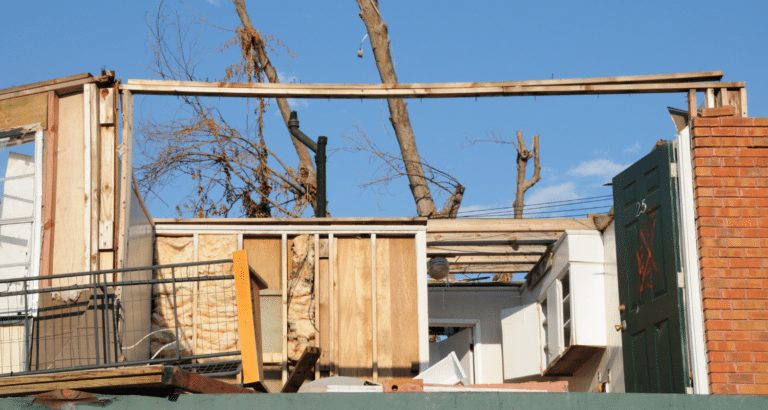
Structural damage covers framing, roof, floors, walls, foundation where applicable, and other load bearing components.
Smoke and soot damage can affect rooms that were not directly touched by flames, since smoke travels far beyond the fire’s origin.
Water damage from firefighting follows this relationship: Fire leads to Fire Suppression, which leads to Water, which leads to Moisture Damage. This shows up as wet drywall, wet insulation, saturated flooring, moisture inside wood framing, hidden moisture behind walls, potential mold growth, and general material deterioration.
Building systems including electrical, plumbing, HVAC, appliances, and fire or life safety systems all need assessment before anyone assumes they are safe to use again.
Step 3: Document the Damage and Start the Insurance Claim
Document the Property
Photos and videos of damaged rooms, structural damage, personal belongings, appliances, furniture, visible smoke and soot, and water damage all support the claim process, taken where practical and safe to do so.
Create a Contents Inventory
Documenting damaged personal property in detail helps support the claim, since insurers generally want an itemized account rather than a general description of loss.
Keep Receipts and Records
Restoration invoices, temporary housing expenses, hotel receipts, storage costs, and emergency repair costs may all matter later. Reimbursement depends on your specific policy and the insurer’s claim determination, so keep records even for expenses you are unsure will be covered.
Step 4: Remove Water and Dry the Property
This is one of the most important stages, since fire restoration and water restoration are closely connected.
Why Water Damage Happens After a Fire
Firefighting introduces large amounts of water into a structure, often far more than the fire itself would have caused on its own.
Water Extraction
This covers removing standing water, using extraction equipment, and addressing saturated materials before drying can properly begin.
Drying and Dehumidification
Air movers, dehumidifiers, moisture monitoring, and drying wet building materials all work together during this stage, which often takes several days depending on how saturated the structure became.
Why Fast Water Mitigation Matters
Uncontrolled moisture leads to material deterioration, persistent odors, mold growth, and additional repair requirements the longer it goes unaddressed. A waterproofing tips for your basement resource covers similar drying and moisture control steps for homes with a basement affected by firefighting water. Our separate guide on water damage home restoration covers this process in more depth, since the drying and extraction steps after a fire follow largely the same process as any other water damage event.
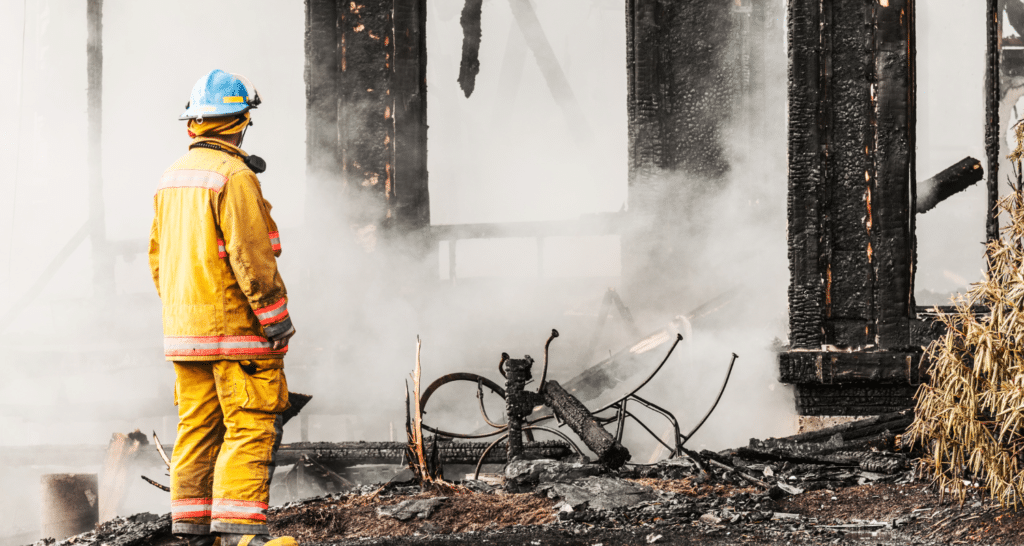
Step 5: Clean Soot, Smoke and Odors
Cleaning is required even in areas that were not directly burned, since smoke and soot travel throughout a structure.
Soot removal covers contaminated walls, ceilings, floors, fixtures, cabinets, and contents throughout the affected areas.
Smoke odor removal matters because smoke odors can remain trapped in porous materials and contents long after visible soot is gone.
HVAC assessment matters because smoke and soot travel through ductwork, meaning the system often needs inspection and cleaning even if it looks fine from the outside.
Contents cleaning covers potentially salvageable furniture, clothing, household items, and personal belongings that a professional cleaning process may be able to save.
Step 6: Decide What Can Be Restored vs. Rebuilt
| Condition | Possible Action |
| Light smoke contamination | Clean and deodorize |
| Water damaged material | Dry, clean, or replace depending on condition |
| Salvageable furniture | Professional contents cleaning |
| Severely damaged drywall | Remove and replace |
| Damaged insulation | Remove and replace where necessary |
| Structurally compromised framing | Repair or rebuild |
| Severely damaged roof | Repair or replace |
Restoration focuses on recovering materials and property that can be safely retained. Reconstruction focuses on repairing or replacing building components that cannot be restored.
The model: Fire Damage leads to Assessment, which leads to Restore or Remove, which leads to Clean and Repair or Replace and Rebuild.
Step 7: Prepare Plans and Obtain Permits
Significant reconstruction may require architectural plans, engineering input, a structural assessment, construction estimates, building permits, inspections, and code compliance review.
Why Permits Matter
Rebuilding requirements depend on your local jurisdiction and the scope of work involved, so requirements can vary meaningfully from one municipality to the next.
Repair vs. Full Reconstruction
The extent of structural damage determines whether the project involves simple repairs, partial reconstruction, or a more extensive rebuild.
Step 8: Reconstruct the Home
Structural reconstruction covers framing, roof, exterior walls, and other structural components.
Building systems covers electrical, plumbing, HVAC, and fire or life safety systems.
Interior reconstruction covers insulation, drywall, flooring, cabinets, paint, fixtures, and trim.
The actual scope depends on the damage assessment, plans, permits, code requirements, and the insurance approved scope where applicable. Severe cases that require rebuilding a large portion of the structure sometimes resemble a full home build and addition project more than a typical repair. Many reconstruction projects of this size take the shape of a full design build remodel, where the same team handles both planning and construction. A kitchen affected by fire or water damage often becomes a full kitchen remodeling project, and the same is often true for a fire damaged bathroom remodeling project once walls and fixtures need to come out anyway.
Step 9: Complete Inspections and Prepare for Move In
The process does not necessarily end when construction finishes. This stage covers required inspections, correcting any deficiencies found, final approvals, final cleaning, returning contents to the home, system checks, and meeting occupancy requirements. Homeowners should return only once the property has been appropriately cleared for occupancy and is safe and habitable.
How Long Does Fire Damage Restoration and Rebuilding Take?
| Stage | Main Dependency |
| Emergency stabilization | Safety and property access |
| Damage assessment | Severity and extent of damage |
| Water mitigation | Moisture levels and affected materials |
| Insurance | Documentation and claim process |
| Design | Reconstruction complexity |
| Permitting | Local jurisdiction |
| Reconstruction | Scope, labor, and materials |
| Final inspection | Completion and code requirements |
| Move in | Final approval and habitability |
A recovery project can take months, particularly when substantial reconstruction is required. There is no single universal timeline, since fire severity, structural damage, water damage, the insurance process, design requirements, permit requirements, contractor and material availability, hidden damage, and scope changes all affect how long the process actually takes.
How Much Does It Cost to Rebuild a House After a Fire?
There is no single universal rebuilding price. Major cost factors include home size, location, structural damage, fire severity, water damage, materials, labor, building code requirements, design and engineering, permits, interior finishes, and the extent of reconstruction needed.
A useful framework: Total Rebuild Cost = Structural Work + Building Systems + Interior Finishes + Design and Permits + Other Project Costs.
Does Insurance Pay for Fire Damage Restoration?
Coverage depends on your individual policy, exclusions, limits, deductible, claim circumstances, and the insurer’s determination. Filing a claim generally involves an insurance adjuster, damage documentation, restoration estimates, a contents inventory, your deductible, coverage limits, additional living expenses where applicable, and the distinction between replacement cost and actual cash value where applicable. Supplements and changes to the repair scope can also come up as hidden damage is discovered during reconstruction. Not every fire related expense is automatically covered, so review your policy closely and ask your adjuster directly about anything unclear.
Do You Have to Rebuild the Same House After a Fire?
Not necessarily. Local zoning, building requirements, the extent of the existing structure and damage, your insurance policy, available plans, and your own objectives all factor into this decision. Options can range from repairing the existing structure, to a partial rebuild, to a more extensive reconstruction project depending on how the numbers and requirements work out for your specific situation.
Fire Damage Restoration vs. Reconstruction
| Restoration | Reconstruction |
| Cleaning and recovery | Repairing or rebuilding damaged components |
| Water extraction | Structural repairs |
| Drying | Framing |
| Smoke cleanup | Roofing |
| Soot removal | Electrical and plumbing |
| Odor treatment | Drywall and flooring |
| Contents cleaning | Interior finishes |
| Salvage assessment | Replacement of non restorable materials |
Restoration focuses on recovering what can safely be saved. Reconstruction focuses on rebuilding what cannot.
Why Fire Damage Often Includes Water Damage
The relationship: Fire leads to Fire Suppression, which leads to Water, which leads to Wet Materials, which leads to Moisture Damage.
This is why a fire restoration project often involves both fire damage restoration and water damage restoration together, rather than treating them as two separate issues. The water introduced during firefighting can end up affecting more square footage than the fire itself, which is part of why a thorough assessment matters so much in the early stages.
Common Mistakes Homeowners Should Avoid After a Fire
Entering too early: the property may have hidden structural or utility hazards that are not obvious from the outside.
Starting major cleanup without documentation: important evidence of the damage may be lost before the claim process has a chance to capture it.
Ignoring water damage: firefighting water can create secondary damage that is just as serious as the fire itself.
Focusing only on visible burn damage: smoke, soot, heat, and moisture can affect areas well beyond where the flames reached.
Starting reconstruction before understanding the scope: plans, permits, insurance, and damage assessments can all affect how the reconstruction process should proceed.
Assuming every expense is covered: coverage depends entirely on your individual insurance policy, not on what seems reasonable.
Choosing the right contractor for reconstruction matters just as much as any other step in this process. Many of the warning signs in a guide to red flags when hiring a contractor apply directly to fire restoration and reconstruction work.
Frequently Asked Questions
What are the steps involved in restoring fire damage?
Safety, assessment, insurance documentation, water extraction and drying, smoke and soot cleanup, salvage decisions, reconstruction, permits, inspections, and finally move in.
What should I do immediately after a house fire?
Wait for the property to be declared safe, contact your insurance company, and protect the property from further damage with board up and weather protection.
How long does fire damage restoration take?
It varies widely based on severity, but most projects run from several weeks for smaller losses to several months for major reconstruction.
How long does it take to rebuild a house after a fire?
This depends on the scope of reconstruction, permitting, and material availability, and can range from a few months to well over a year for major damage.
How much does it cost to rebuild a house after a fire?
There is no single universal number, since cost depends on home size, damage severity, location, and the extent of reconstruction required.
Does homeowners insurance cover fire damage restoration?
Usually, subject to your specific policy terms, limits, deductible, and exclusions.
Does insurance pay for rebuilding after a house fire?
Often, yes, within your policy’s coverage limits and terms, though the exact scope depends on your specific policy.