Most homeowners don’t have $30,000 sitting in a savings account for a new kitchen. Or $15,000 for a bathroom. Or $50,000 for an addition. That gap between what a remodel costs and what people can actually pay out of pocket is exactly why home remodeling loans exist.
These loans let you borrow money now and pay it back over months or years, instead of waiting until you’ve saved enough. Some are tied to your home value. Some aren’t. Some fund fast. Some take weeks. The right one for you depends on your project, your credit, and how much you need to borrow.
A leaky roof, an outdated kitchen, a bathroom that needs a full rebuild, or a whole home renovation all cost different amounts and fit different loan types. This guide walks through the main options, what lenders look for, and how to match a loan to your project so you’re not stuck with the wrong one halfway through.
What Is a Home Remodeling Loan?
A home remodeling loan is money you borrow to pay for repairs or upgrades to your house. Lenders release the funds so you can pay contractors, buy materials, or cover labor costs. Some loans hand you a lump sum. Others work more like a credit card you can draw from over time.
Remodeling loans differ from construction loans, though. Construction loans are usually for building a new home from the ground up, while remodeling loans are for updating a home you already own.
Most homeowners borrow anywhere from a few thousand dollars for a small bathroom refresh to well over $100,000 for a full home renovation or addition.
Types of Home Remodeling Loans
| Loan Type | Best For | Collateral Required | Funding Speed |
| Home Equity Loan | Large projects | Yes | Moderate |
| HELOC | Ongoing projects | Yes | Moderate |
| Personal Loan | Smaller projects | No | Fast |
| FHA 203(k) | Purchase plus renovation | Property | Slow |
| HomeStyle Loan | Major renovations | Property | Slow |
Home Equity Loans
A home equity loan lets you borrow against the value you’ve built up in your house. You get one lump sum with a fixed interest rate and a set monthly payment.
This option works well for big projects like a full kitchen remodel or a home addition, since you know the exact amount you need up front.
Pros: lower interest rates and predictable payments. Cons: your home is used as collateral, and there are closing costs to factor in.
HELOC (Home Equity Line of Credit)
A HELOC works more like a credit card tied to your home value. You get a credit limit and can draw from it as needed during a set draw period, then pay it back later.
This fits homeowners tackling projects in stages, such as a room renovation followed by a later upgrade.
Pros: you only pay interest on what you actually use, and it gives you flexible borrowing. Cons: rates are usually variable, so payments can climb over time.
Personal Loans for Remodeling
A personal loan is unsecured, meaning you don’t need to put your home up as collateral. Approval is often fast, and payments stay fixed each month.
This option suits smaller jobs, like updating a bathroom or handling an urgent repair.
FHA 203(k) Renovation Loans
This is a government-backed loan that lets you buy a home and finance repairs in one loan. It’s often used by buyers taking on a fixer-upper.
You’ll need to work with an approved contractor, and the process can take longer than other loan types.
Fannie Mae HomeStyle Loans
A HomeStyle loan is a conventional option for major renovations. It covers a wide range of upgrades, though it usually requires a solid credit score to qualify.
How to Qualify for a Home Remodeling Loan
Credit Score: Requirements vary by loan type. Personal loans may accept scores around 580, while home equity products often want 620 or higher. The best rates usually go to borrowers with 700 or above.
Income Verification: Lenders will check your job history, tax returns, and bank statements to confirm you’ve got steady income.
Debt-to-Income Ratio: This compares your monthly debt payments to your income. A lower ratio makes approval easier and can help you land a better rate.
Home Equity: For equity-based loans, lenders look at how much of your home you actually own compared to what you still owe.

Home Remodeling Loan Rates and Costs
Interest rates depend on your credit score, the loan type you choose, current market conditions, and how long your loan term runs.
Closing costs can include appraisal fees, origination fees, and title fees. These add up, so ask your lender for a full breakdown before you sign anything.
It also helps to know the difference between APR and interest rate. The interest rate only covers the cost of borrowing. APR includes fees too, so it shows the real, full cost of the loan.
Financing by Project Type
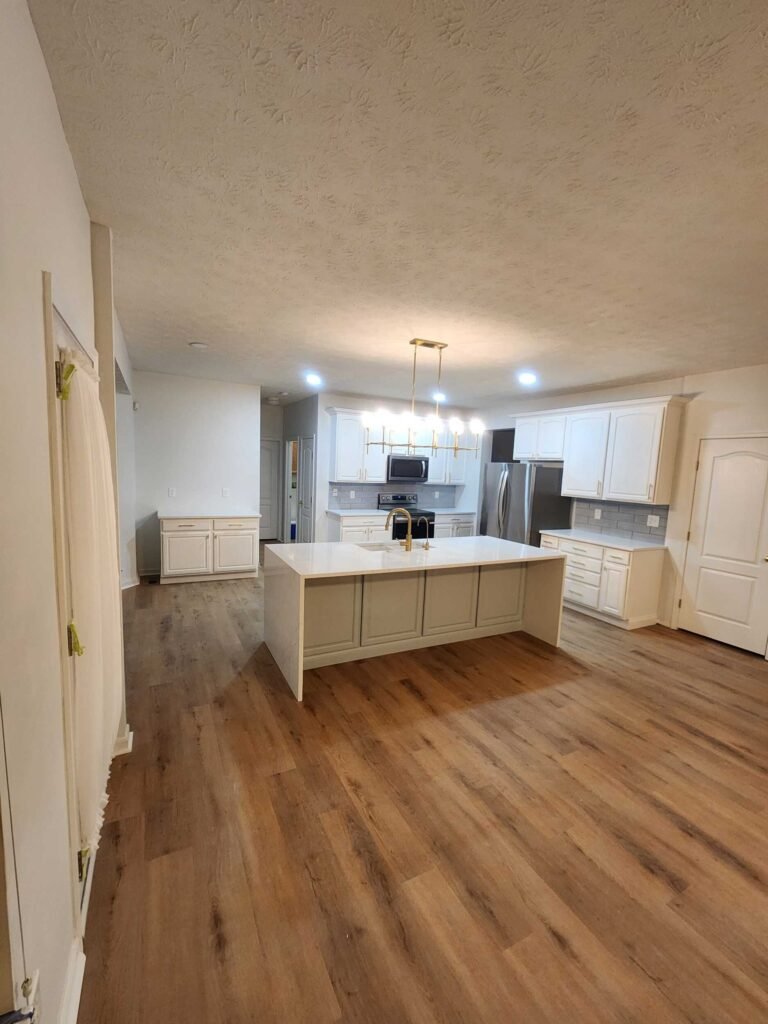
- Kitchen remodels often cost more due to cabinets, counters, and appliances, so a home equity loan or HELOC may make sense for bigger budgets. Many homeowners start by looking through kitchen remodel ideas to get a rough budget before choosing a loan.
- Bathroom renovations are usually smaller in scope, so a personal loan can cover costs without tapping into home equity.
- Roof replacement is often urgent. A personal loan can fund quick repairs, while a home equity loan may suit a full roof overhaul.
- Additions, like a garage conversion or extra bedroom, may need a larger loan such as a HomeStyle mortgage or home equity loan.
- Energy upgrades, including new windows or HVAC systems, can qualify for specialized financing tied to efficiency improvements.
Government Programs and Grants for Home Repairs
Not every project needs a traditional loan. USDA repair loans and grants help low income homeowners in rural areas fix up their homes. HUD offers programs aimed at safety repairs. Seniors often have access to local repair assistance too. Veterans have their own path as well, since VA construction loans work differently from standard remodeling loans and cover building a home with a VA loan in some cases.
Home Equity Loan vs HELOC vs Personal Loan
| Feature | Home Equity Loan | HELOC | Personal Loan |
| Interest Rate | Lower | Variable | Higher |
| Collateral | Yes | Yes | No |
| Funding Speed | Moderate | Moderate | Fast |
| Flexibility | Low | High | Medium |
How Much Can You Borrow?
Lenders usually base your borrowing limit on your home value and how much you still owe. For example, if your home is worth $400,000 and you owe $250,000, you have $150,000 in equity. Most lenders will let you borrow 80% to 85% of that equity.
Are Home Remodeling Loans Worth It?
A remodel can raise your home value, improve how your space works day to day, and cut energy bills with newer systems. But borrowing comes with real costs too, including interest and the risk of taking on more debt than you can handle.
Timing matters too. The best time to renovate your home can affect contractor pricing and how fast your loan gets put to use, so it is worth thinking through before you apply.
How to Choose the Right Remodeling Loan
If you have strong home equity, a home equity loan gives you a steady rate and one clear payment. If you want flexible access to funds, a HELOC lets you borrow only what you need. If you need money fast for a smaller job, a personal loan gets you funded quickly. If you’re buying a home and fixing it up at the same time, look at an FHA 203(k) or HomeStyle loan.
Local pricing plays into this decision too. Homeowners in Dayton, Centerville, and Kettering often see different contractor rates, which affects how much loan they actually need.
The same financing logic applies outside the home too. Business owners fund upgrades like commercial space remodeling, office renovations, tenant improvements, and build outs and additions with similar loan products, just under a commercial lending framework.
Frequently Asked Questions
How hard is it to get a loan to remodel a house?
It depends on your credit score, income, and the loan type. Personal loans are usually easier to get than home equity products.
What is the 30 percent rule for home renovation?
Many experts suggest keeping renovation costs under 30 percent of your home value to avoid overspending.
Are renovation loans a good idea?
They can be, if the project adds value or improves your home in a way that fits your budget and plans.
What credit score is needed for a home improvement loan?
Scores vary, but many lenders look for at least 620, though some personal loans accept lower scores.
Can I get a remodeling loan with bad credit?
It is possible, though rates will likely be higher. A personal loan or FHA backed option may be more accessible.
Is a HELOC better than a personal loan?
It depends on your project size and how fast you need funds. A HELOC suits ongoing work, while a personal loan suits quick, smaller jobs.
What is the best loan for a kitchen remodel?
Since kitchens often cost more, a home equity loan or HELOC is common, though a personal loan can work for smaller updates.
Are government grants available for home repairs?
Yes. Programs through USDA, HUD, and veteran assistance groups offer grants and low cost loans for qualifying homeowners.