Water damage rarely waits for a convenient time. A pipe bursts overnight, a storm finds a weak spot in the roof, or a washing machine overflows while everyone is at work. By the time anyone notices, water has usually already soaked into flooring, drywall, or the subfloor underneath.
Water damage home restoration covers the full process of getting a house back to normal after that happens. It goes beyond a quick repair. It includes extraction, drying, cleaning, mold prevention, and rebuilding whatever the water ruined along the way.
This guide walks through what causes water damage, how the restoration process works, what it typically costs in 2026, and how to tell when a job needs a professional rather than a mop and a few fans. A contractor like BGC Now often picks up right where restoration ends, once the rebuilding phase begins.
What Is Water Damage Home Restoration?
Restoration is the full process of returning a home to its condition before the water damage happened. This is different from a simple repair, which usually just fixes the visible problem, and different from mitigation, which focuses on stopping the damage from spreading further. A full restoration project often includes all three stages: stopping the water, drying the structure, and rebuilding what got damaged.
Common Causes of Water Damage
Burst pipes are one of the most common causes, along with appliance leaks from washing machines, dishwashers, and water heaters. Roof leaks and storm damage bring water in from above, while sewer backups and overflowing toilets bring contaminated water in from below. HVAC condensation leaks and foundation cracks round out the list, and any of these can escalate quickly if they go unnoticed for more than a day or two. Storm damage restoration work often overlaps directly with this list, since a damaged roof is one of the fastest paths to serious interior water damage.
Types of Water Damage
Category 1, clean water, comes from a broken supply line or similar source and carries the lowest health risk, though it can still cause serious damage if it sits.
Category 2, gray water, contains some contaminants, often from appliances or overflowing fixtures, and requires more careful handling than clean water.
Category 3, black water, comes from sewage or floodwater and poses real health risks. This category always calls for professional handling with proper protective equipment.
Signs Your Home Needs Water Damage Restoration
Water stains on ceilings or walls are usually the first visible sign. Warped flooring, peeling paint, and a persistent musty odor often follow. Mold growth, wet drywall, and sagging ceilings point to damage that has already progressed past the early stage and needs attention soon.
Water Damage Restoration Process
Emergency inspection: a technician assesses the source, category, and extent of the damage.
Water extraction: standing water gets removed using pumps and wet vacuums.
Drying and dehumidification: air movers and dehumidifiers pull moisture out of the structure over several days.
Moisture detection: moisture meters and thermal imaging locate hidden dampness behind walls or under flooring.
Cleaning and sanitization: affected surfaces get cleaned and treated, especially important for gray or black water.
Mold prevention: antimicrobial treatments help stop mold from taking hold during the drying process.
Structural repairs: damaged drywall, flooring, and framing get replaced.
Final restoration: paint, trim, and finishing work bring the space back to its original condition.
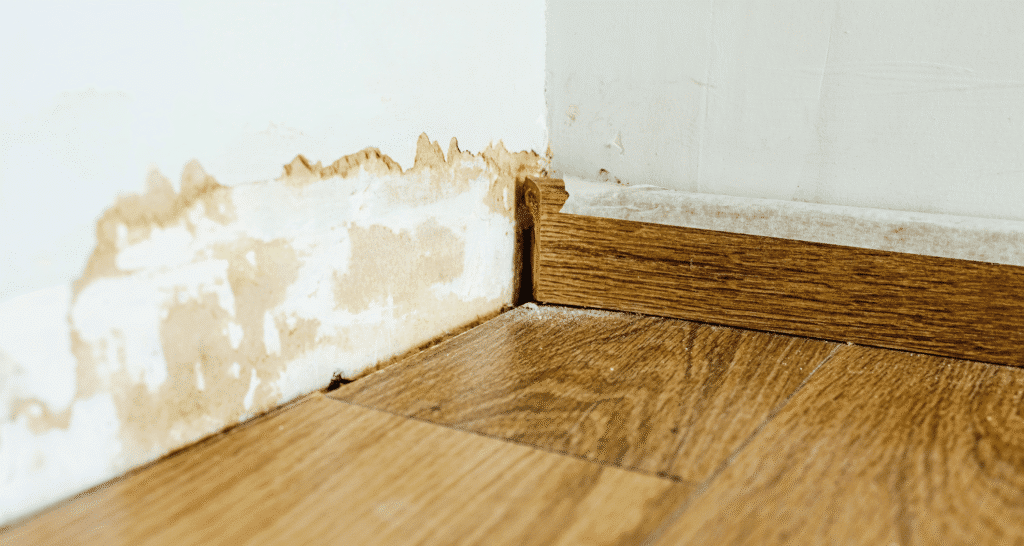
Water Damage Restoration vs Water Mitigation
Mitigation is the first response. It focuses on stopping the damage from getting worse, through extraction, drying, and basic cleanup. Restoration goes further and includes the actual repairs and rebuilding needed to return the home to normal. Most serious water damage projects involve both, usually with mitigation happening in the first day or two and restoration following once everything is dry.
Water Damage Restoration Cost
| Service | Average Cost (2026) |
| Water extraction | $500 to $3,000 |
| Drying | $800 to $3,500 |
| Mold remediation | $500 to $6,000 |
| Drywall repair | $500 to $2,500 |
| Flooring replacement | $1,000 to $8,000 |
| Ceiling repair | $400 to $2,500 |
| Complete restoration | $3,000 to $25,000 and up |
Most homeowners land somewhere in the middle of these ranges, with a typical full restoration project averaging close to $3,800 to $4,000 depending on the size of the affected area and how contaminated the water was. Severe cases involving multiple rooms, sewage backup, or long term flooding can run well past $25,000.
Insurance Coverage
Homeowners insurance usually covers sudden, accidental water damage, such as a burst pipe, a storm caused roof leak, or a failed appliance. Long term seepage, gradual leaks, and flood damage typically fall outside a standard policy, and flood coverage usually needs to be purchased separately. Document everything with photos before cleanup begins, since adjusters generally want to see the damage firsthand or through clear documentation before approving a claim. Property managers and landlords dealing with a rental unit should follow the same documentation steps, since insurance requirements do not change just because the property is leased out.
Mold After Water Damage
Mold can begin forming on wet porous materials within 24 to 48 hours, according to EPA guidance. Health risks range from mild irritation to more serious respiratory issues depending on exposure and the type of mold involved. Prevention comes down to fast drying, since mold rarely becomes a major problem when materials dry out within the first two days. Once mold has spread into drywall, insulation, or flooring, professional remediation is almost always the safer route.
DIY vs Professional Restoration
DIY appropriate: small, clean water leaks caught quickly, minor cleanup with no lingering moisture, and cosmetic damage that has not reached the subfloor or wall cavities.
Call a professional for: flooding, structural damage, mold beyond a small surface area, and any sewage contamination. These situations carry real health and safety risks that are not worth handling without the right equipment.
How Long Does Water Damage Restoration Take?
Inspection usually takes about a day. Extraction often happens the same day the damage is discovered. Drying runs three to five days in most cases, though larger or more saturated areas can take longer. Repairs typically run one to three weeks depending on scope, and a full restoration project, from first call to final walkthrough, often takes two to eight weeks.
Choosing the Right Water Damage Restoration Company
Look for IICRC certification, since it reflects industry standard training in water damage restoration. Confirm the company offers 24 hour emergency response, since water damage rarely waits for business hours. Check that they are licensed and insured, ask whether they help with insurance documentation, and look at recent reviews before making a decision. A company that offers a free estimate and uses modern drying equipment, like air movers and commercial dehumidifiers, is generally a safer bet than one working with outdated tools.
Rebuilding After the Damage Is Fixed
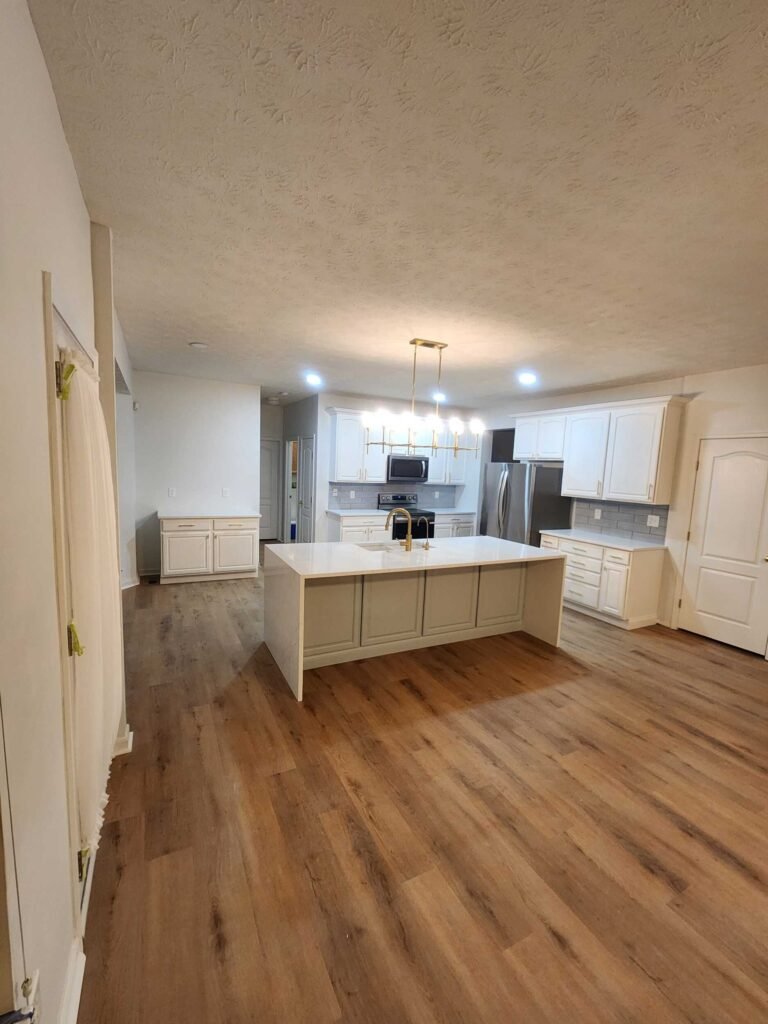
Once the drying and structural repairs are done, many homeowners use the opportunity to update the space rather than just putting it back the way it was. A water damaged kitchen sometimes turns into a full kitchen remodeling project, since cabinets and flooring often need to come out anyway. The same goes for bathrooms, where bathroom remodeling can address both the water damage and any long overdue updates at once. Larger projects that touch multiple rooms sometimes make more sense as a room renovation or a full design build remodel, where repair and redesign happen together instead of as two separate jobs later.
Property managers and landlords handling water damage across a rental unit or a small portfolio sometimes need work closer to a commercial property renovation in scope, especially when several units are affected at once. In these cases, tenant improvements contractors can handle unit turnovers efficiently while keeping the rest of the property on schedule.
Preventing Future Water Damage
Inspect plumbing connections regularly, clean gutters at least twice a year, and keep the roof maintained with annual inspections. Leak detectors near washing machines, water heaters, and under sinks catch small leaks before they become large ones. Monitor indoor humidity, reseal windows that show gaps, service the HVAC system on schedule, and check the sump pump before storm season each year. Homeowners who have already been through storm damage restoration in Centerville or a similar project usually pay closer attention to roof and gutter maintenance afterward, since that is where most of the repeat damage starts. A waterproofing tips for your basement resource covers a few additional steps worth adding to this list for homes with a basement or crawl space.
Vetting a restoration contractor carries the same risks as hiring any other contractor. Many of the warning signs in a guide to red flags when hiring a contractor apply just as well here, especially in the rush of an emergency repair.
Frequently Asked Questions
Is water damage covered by homeowners insurance?
Usually, if the cause was sudden and accidental, such as a burst pipe or storm damage. Gradual leaks and flooding are typically excluded without separate coverage.
How much does restoration cost?
Most projects fall between $3,000 and $25,000, though small repairs can cost far less and severe damage can run higher.
How long before mold grows?
Mold can start forming within 24 to 48 hours on wet, porous materials.
Should I replace wet drywall?
In most cases, yes. Wet drywall loses strength and often develops mold, so replacement is usually safer than trying to dry and reuse it.
Can hardwood floors be saved?
Sometimes, if the water is caught quickly and the floor has not been submerged for long. Extended exposure usually means replacement.
What equipment do restoration companies use?
Air movers, industrial dehumidifiers, moisture meters, and thermal imaging cameras are standard tools for a professional restoration job.
How soon should I start restoration?
As soon as possible. Starting within the first 24 to 48 hours significantly lowers the risk of mold and structural damage.
Can I stay in my house during restoration?
Often yes for smaller jobs, though larger projects involving multiple rooms or contaminated water may require temporary relocation.
What happens after water extraction?
Drying and dehumidification begin immediately, followed by moisture detection to confirm hidden areas are fully dry before repairs start.
How do professionals detect hidden moisture?
Moisture meters and thermal imaging cameras locate dampness behind walls, under flooring, and in other areas that are not visible during a standard inspection.